
How Much Downtime Is That Old Forklift Actually Costing You in Labor Hours?
In the middle of a hectic shift, your warehouse is buzzing with activity, and all of a sudden, your forklift breaks down. Operations grind to a halt, people stand idle, and deadlines begin slipping away. While the restore invoice is seen as immediate, there may be a miles larger, hidden value lurking below the surface, the hard work hours misplaced due to forklift downtime.
The truth is that forklift performance issues and surprising breakdowns create a cascading impact that could cost a lot of bucks per hour in lost productivity. Understanding those old forklift costs and their effect on your bottom line is vital for making knowledgeable selections approximately your equipment fleet.
In this blog, we will break down precisely how lots that getting an older forklift is costing you and offer actionable techniques to limit those costly disruptions.
The Real Impact of Forklift Downtime on Operations
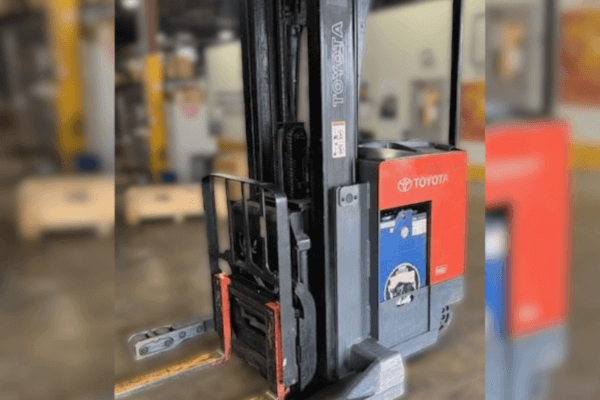
Forklift downtime does not exist in a vacuum – it creates ripple outcomes that affect each element of your operation. When a forklift is going down, it is no longer simply one piece of equipment that prevents operating; complete workflows can come to a standstill, affecting warehouse operations, production sites, and logistics networks.
Forklift Downtime as a Hidden Productivity Drain
Forklift downtime takes place on every occasion your equipment is unavailable for use, whether or not because of mechanical failure, renovation problems, or overall performance problems. This interruption does not simply have an effect on the forklift operator – it affects shipments, job progress, and standard workflow efficiency.
The maximum left out value component in downtime calculations is forklift labor hours lost. When a forklift breaks down, you are no longer simply deciding to buy repairs; you are paying wages for idle people who cannot whole their tasks. These forklift labor hours lost regularly exceed the real restore charges with the aid of using common margins, making downtime one of the expensive operational challenges companies face.
How Performance Issues Add Up
Even while your forklift is not completely broken down, forklift overall performance issues may be equally costly. Sluggish hydraulics, gradually elevated speeds, and unreliable beginnings create bottlenecks that gradually cycle instances and decrease standard throughput. These problems lead to:
- Reduced productivity according to the shift.
- Missed shipping deadlines.
- Lower customer satisfaction.
- Increased overtime costs to meet targets.
- Higher strain on each equipment and operators.
How to Calculate the Labor Cost of Forklift Downtime
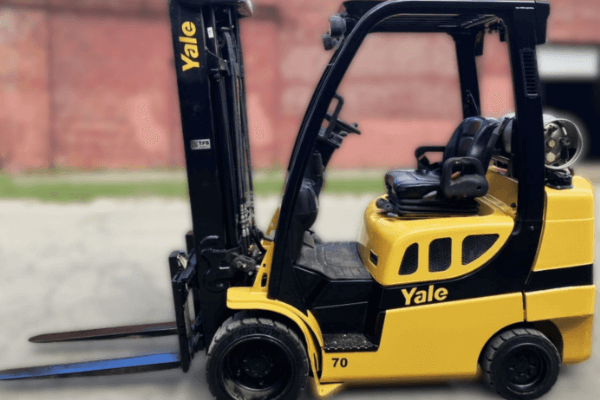
Understanding the true cost of downtime requires a systematic approach. Here's a step-with the aid of using-step manual to calculate precisely how forklift labor hours lost are impacting your operation.
Step 1 - Calculate Operator and Employee Idle Time
Start by identifying all the labor costs directly related to the downtime:
Operator wages: Multiply the operator's hourly pay by the number of using the entire downtime. Even while the forklift is not operating, you are still paying the operator.
Overtime costs: Factor in any overtime hours needed to make up for lost productivity. Overtime rates typically run 1.5 times the regular hourly wage.
Lost productivity: Calculate wages for different personnel who are awaiting the forklift or operating under ability because of the equipment failure.
Step 2 - Add Other Expenses
Beyond direct exertion fees, downtime creates extra charges:
Repair costs: Include both parts and service labor for the actual repair.
Replacement equipment: Account for rental fees or costs associated with borrowing equipment from other locations.
Expedited shipping: Calculate costs for rush deliveries or consequences for ignored shipments.
Lost business: Consider consumer dissatisfaction, consequences, or ignored income opportunities.
Step 3 - Sum the Costs
Combine all exertions and operational charges to decide the whole fee consistent with the hour of downtime. This complete calculation regularly exhibits that even brief downtime occasions can bring about losses exceeding thousands of dollars.
Example Calculation
Let's look at a real-world scenario involving 8 hours of forklift downtime:
- Operator wage: $20/hour × 8 hours = $160.
- 5 employees idle: $20/hour × 8 hours × 5 workers = $800.
- Overtime costs: 2 hours × $30/hour = $60.
- Total labor cost: $1,020.
- Repair costs: $625.
- Lost productivity value: $4,160.
- Total cost: $5,805 for 8 hours of downtime.
This breaks down to approximately $726 per hour of downtime. In high-volume operations that run 24/7, downtime costs can easily exceed $20,000 per hour when factoring in lost production value and supply chain disruptions.
Understanding Manufacturing and Warehouse Downtime Costs
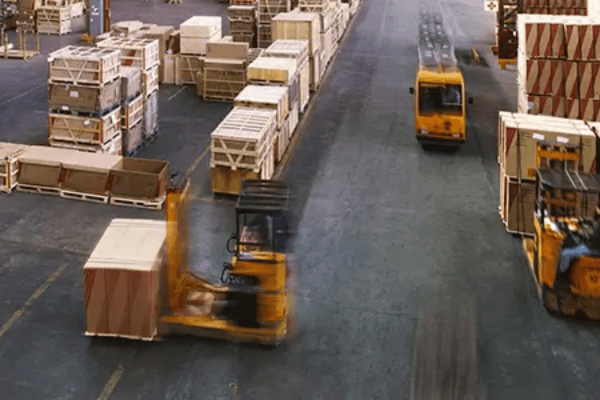
The impact of forklift downtime extends beyond individual equipment failures, especially in manufacturing and warehouse environments where material handling is critical to continuous operations.
How to Calculate Manufacturing Downtime Cost
For production operations, use this preferred formula: (Downtime Hours × Average Labor Cost × Production Output Value)
In high-volume manufacturing, forklift failures can shut down entire production lines. When your material handling equipment can't move raw materials to production stations or finished goods to shipping areas, the entire operation suffers. Forklift performance issues turn out to be magnified in those environments, in which even minor delays can cascade into sizable manufacturing losses.
Why Downtime Costs Are Higher in High-Volume or 24/7 Operations
Operations that run constantly face compounded fees while the equipment fails:
- Multiplication effect: Delays affect several shifts and production cycles.
- Overtime penalties: Weekend and holiday repair rates are significantly higher.
- Logistics penalties: Late deliveries can cause contractual consequences.
- Customer churn: Repeated delays can harm long-term consumer relationships.
Old Forklift Costs That Go Beyond Downtime
Aging equipment creates an ongoing financial strain that extends far beyond occasional breakdowns. Understanding these old forklift costs helps justify investment in newer, more reliable equipment.
Maintenance and Repair Overload
Older forklifts break down greater frequently, creating a cycle of unplanned repair fees and extended downtime. As the equipment ages, forklift performance issues turn out to be greater common, leading to:
- Higher element fees for out-of-date components.
- Increased carrier name frequency.
- Longer repair times due to parts availability.
- Reduced uptime efficiency.
Fuel, Energy, and Operating Inefficiency
Aging engines and battery systems consume significantly more energy than newer models:
- Fuel consumption: Older internal combustion engines can use 20-30% more fuel.
- Battery efficiency: Aging electric powered forklift batteries maintain much less cost and require greater common charging.
- Performance degradation: Slower operation ends in better exertion fees consistent with the challenge completed.
Safety and Compliance Risks
Outdated equipment increases accident risk and potential OSHA violations:
- Higher likelihood of mechanical failures leading to accidents.
- Reduced visibility and safety features compared to modern equipment.
- Potential liability costs from workplace injuries.
- Compliance issues with current safety standards.
How Much Is a Lot of Hours on a Forklift?
Understanding equipment lifespan helps identify when old forklift costs outweigh the benefits of continued operation.
Understanding Forklift "Lifespan" by Hour Meter
Different forklift types have varying lifespans:
- Electric forklifts: Typically provide 10,000-12,000 hours of useful life.
- Internal combustion forklifts: Generally last 8,000-10,000 hours.
- Warehouse forklifts: May last longer due to lighter duty cycles.
- Construction forklifts: Often have shorter lifespans due to harsh operating conditions.
Signs It's Time to Retire or Trade In
Watch for those caution symptoms and symptoms that imply growing old forklift charges:
- Frequent breakdowns requiring emergency repairs.
- Slow lift speeds are affecting productivity.
- Failing protection inspections.
- Rising maintenance-to-use ratio.
- Difficulty finding replacement parts.
Minimizing Forklift Downtime Through Smart Equipment Strategy
Proactive planning and strategic equipment management can dramatically reduce forklift downtime and associated labor costs.
Preventative Maintenance and Performance Monitoring
Scheduled maintenance reduces unexpected failures:
- Regular inspections catch problems before they cause downtime.
- Hour meter tracking helps predict maintenance needs.
- Performance monitoring identifies declining efficiency.
- Inspection logs provide data for replacement decisions.
Upgrade Options: Reconditioned vs. New Forklifts
Value Forklifts gives reconditioned equipment that offers dependable options to costly new purchases:
- Professionally restored forklifts with guarantee coverage.
- Significant financial savings as compared to new equipment.
- Ideal for SMBs, 3PLs, and commercial groups balancing overall performance and budget.
- Reduced forklift overall performance issues as compared to older equipment.
Trade-In Programs: Turn Old Equipment Into Value
Strategic equipment replacement through trade-in programs can:
- Offset upgrade costs using existing equipment value.
- Eliminate ongoing old forklift costs from aging fleets.
- Provide fast quotes and nationwide delivery.
- Include warranty-backed replacements for peace of mind.
The Hourly Cost of Downtime - Seeing the Big Picture
The monetary effect of forklift downtime frequently surprises enterprise proprietors who have not calculated the proper value of equipment failures.
Downtime Is More Expensive Than Repairs
While restore payments are seen as immediate, the hidden charges of forklift labor hours lost usually dwarf the real restore expenses. Even quick durations of downtime can cost hundreds of dollars in operational charges via:
- Idle labor costs.
- Missed productivity targets.
- Overtime expenses.
- Supply chain disruptions.
How to Build a Downtime Reduction Plan
Develop a comprehensive strategy to minimize equipment failures:
- Assess the total cost of ownership (TCO) for each unit in your fleet.
- Schedule performance audits to identify equipment nearing end-of-life.
- Plan proactive replacements before failures occur.
- Establish maintenance protocols to extend equipment life.
- Create contingency plans for emergency equipment needs.
How We Help Businesses Cut Downtime and Save Costs at Value Forklifts
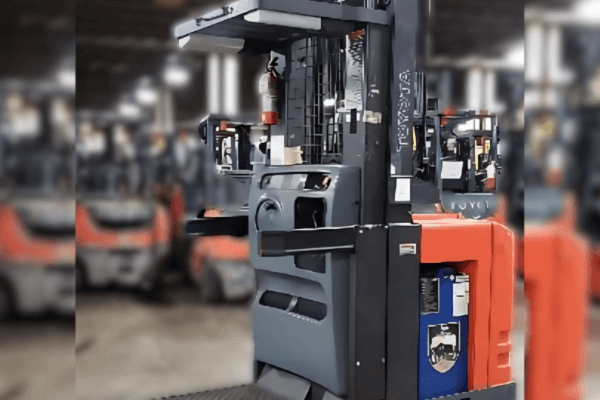
At Value Forklifts, we understand that every minute of forklift downtime directly impacts your bottom line. Our mission is to keep your operation moving with reliable, cost-effective material handling solutions.
Our Mission: Keeping Your Operation Moving
We specialize in professionally used forklifts that perform like new equipment without the premium price tag. Our comprehensive approach addresses the root causes of forklift performance issues by providing:
- Thoroughly inspected and certified equipment.
- Reliable overall performance that reduces downtime chance.
- Cost-powerful options to high-priced new purchases.
- Immediate availability to decrease operational disruptions.
What Sets Us Apart
Value Forklifts gives numerous benefits for companies trying to lessen old forklift charges:
- Nationwide availability with fast delivery options.
- Full warranties offer peace of mind and protection.
- Certified inspections ensure quality and reliability.
- Transparent trade-in alternatives that maximize your current system value
- Personalized support to match equipment to your specific needs and budget
Let's Reduce Your Downtime Together
We invite you to connect with our team for a free evaluation of your current fleet or a no-obligation trade-in quote. Our experts can help you identify equipment that's costing more in forklift labor hours lost than it's worth and provide reliable replacement options that fit your budget.
Conclusion
Forklift downtime is not simply an operational inconvenience – it is a considerable monetary cost that may cost lots of bucks in line with hour in lost productivity and forklift hard labor hours lost. The hidden charges of ageing system frequently exceed seen restore prices via way of means of significant margins, making proactive system control important for operational efficiency.
By understanding the true cost of downtime and investing in reliable equipment solutions, businesses can dramatically reduce operational disruptions and improve their bottom line. Whether through preventative maintenance, strategic equipment upgrades, or partnerships with trusted suppliers like us, taking action today can save thousands in future downtime costs.
Don't let old forklift costs continue draining your profits. Calculate your true downtime expenses, evaluate your current fleet, and consider how upgrading to reliable used equipment can transform your operational efficiency. Find out how much downtime your old forklift is really costing you and how upgrading today can save you thousands in labor hours and lost productivity by contacting us.