
Hidden Operating Costs of Propane/Diesel Forklift Vs Electric Forklifts in Indoor Facilities
Indoor warehouse operations depend on efficiency, predictable expenses, and a safe working environment. When comparing electric forklifts with propane or diesel-powered models, the upfront price only tells part of the story. The real financial impact becomes clear after months and years of daily operation inside enclosed facilities.
While propane and diesel units are often seen as powerful and versatile, their long-term indoor costs can be higher than expected. At the same time, electric forklifts come with battery and charging considerations that must be evaluated carefully. It's important to know about these hidden charges, especially if you're a firm that wants to buy used equipment.
This blog tells you what the real costs of running electric and diesel forklifts in interior spaces are and helps you figure out which option is best for your warehouse.
Why Operating Costs Matter More Than Purchase Price
When companies buy forklifts, they usually think about how much they will cost to get. But the total cost of ownership includes things like fuel or energy use, regular maintenance, downtime, compliance costs, and replacing parts over time.
These traits are significantly more crucial for indoor forklifts because closed spaces need to be ventilated, pollutants need to be taken into mind, and workers' comfort needs to be taken into account.
Over time, these running costs can add up to more than the initial savings from buying a cheaper machine.
Hidden Operating Costs of Propane and Diesel Forklifts Indoors

Fuel Expenses and Inefficiencies
It costs between $3.25 and $4.75 an hour to run a propane forklift. When you add in the expense of maintenance and the fact that fuel prices go up and down, a diesel forklift can sometimes be more expensive.
Fuel-related hidden costs often include:
- Incomplete propane tank fills
- Minor fuel leakage during cylinder swaps
- On-site tank storage and rental agreements
- Vendor price fluctuations
For warehouses operating multiple shifts, these small inefficiencies accumulate quickly. A diesel forklift used indoors may also consume more fuel due to idling in loading areas or tight warehouse navigation.
Over the course of a year, the gap between fuel-powered and electric forklifts becomes significant.
Maintenance and Service Requirements
Internal combustion forklifts require routine mechanical servicing. Oil changes, spark plug replacements, air filters, and cooling system maintenance are recurring expenses.
On average, maintenance costs for propane and diesel units can reach around $2.00 per hour of operation. In comparison, electric forklifts average closer to $1.25 per hour due to fewer moving parts and no engine system.
When evaluating used diesel forklifts, engine condition and service history become critical. High-hour engines may require transmission work, injector servicing, or emission system repairs, all of which increase total ownership cost.
In contrast, electric forklifts eliminate many of these mechanical service demands, making them appealing indoor forklifts for warehouse operators seeking predictable maintenance budgets.
Ventilation and Indoor Air Compliance
One of the most overlooked costs of using a diesel forklift indoors is ventilation. Engine-powered forklifts emit carbon monoxide and other exhaust gases that require monitoring and airflow control.
Warehouses may need to invest in:
- Enhanced ventilation systems
- Carbon monoxide monitoring devices
- Regular compliance inspections
These indirect costs can add substantial overhead, especially in tightly sealed facilities. Even propane-powered units require adequate ventilation to maintain safe air quality.
Because electric forklifts produce zero exhaust emissions, many indoor forklifts in modern distribution centers are now battery-powered. The cleaner environment also improves overall workplace conditions.
Noise and Workplace Productivity
Engine-driven forklifts tend to operate at higher noise levels than electric models. Over time, increased noise exposure may affect communication between workers and contribute to fatigue.
By comparison, electric forklifts run more quietly, which supports smoother indoor operations. This difference is more important to many purchasers than they first thought in places where precise handling and staff comfort are important.
Hidden Costs of Electric Forklifts Indoors

While electric models offer clear advantages, they also require thoughtful planning.
Battery Replacement & Maintenance
Most traditional electric forklifts use lead-acid batteries that require daily watering and proper charging cycles. These batteries typically last five to seven years, and replacement prices can range from $5,000 to $8,000.
For companies purchasing used electric forklifts, battery age and maintenance history should be carefully evaluated. A well-maintained battery can still offer years of service, while an aging one may require near-term replacement.
Working with an experienced supplier helps minimize surprises and ensures you understand the remaining battery life before purchase.
Charging Infrastructure and Downtime
Electric devices need a certain length of time to charge, but propane ones let you change tanks quickly. It might not be available for a few hours if a forklift doesn't have the opportunity to charge or spare batteries.
But a lot of warehouse managers handle this well by scheduling charging during breaks or shift changes. With good planning, you may cut down on the time it takes to charge.
Even with infrastructure investment, the long-term savings of electric forklifts often outweigh these setup costs.
Higher Initial Capital Investment
The initial cost of new electric units is usually higher than that of similar propane or diesel units. But the price difference is much smaller when you buy used electric forklifts.
Over time, the lower energy and service expenses associated with electric forklifts often offset the higher purchase cost. For many indoor facilities, the long-term savings justify the investment.
Electric vs. Diesel: A Practical Cost Comparison
The difference is evident when you look at the running costs.
Most electric ones only cost a few bucks to run each shift. Propane units might cost a lot more for fuel alone per shift. A diesel forklift may cost a lot more over its lifetime in an enclosed warehouse when you factor in engine maintenance and compliance measures.
Electric models are also easier to keep up with. Electric forklifts don't have to change oil, fuel injectors, or complicated emission systems like combustion engines do.
That said, a diesel forklift still offers strong performance for outdoor yards, heavy lifting applications, and facilities operating around the clock without structured charging schedules.
When Diesel Forklifts Still Make Sense
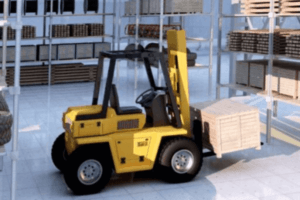
Despite higher indoor operating costs, diesel forklift models remain valuable in certain environments. They are well-suited for:
- Heavy material handling
- Outdoor construction sites
- Mixed indoor-outdoor operations
- Applications requiring continuous multi-shift use
Businesses looking for cost-effective heavy-duty equipment may find used diesel forklifts to be a practical option when indoor ventilation systems are already in place.
However, for fully enclosed warehouses focused strictly on indoor forklifts, electric models often deliver better long-term returns.
The Advantage of Buying Used Equipment

One of the most effective ways to control forklift investment costs is purchasing quality used machines. Instead of paying full price for new equipment, companies can access reliable, inspected inventory at more affordable rates.
Value Forklifts specializes in supplying both used electric forklifts and used diesel forklifts that are carefully evaluated for performance and reliability. For warehouse operators transitioning toward electric power, purchasing used equipment can significantly reduce capital expenses while still capturing operational savings.
Whether you need indoor forklifts for distribution centers or heavier equipment for mixed-use operations, sourcing from an experienced supplier ensures you receive dependable machinery aligned with your operational goals.
Value Forklifts provides a broad range of equipment options, helping businesses balance performance, cost efficiency, and long-term reliability.
Conclusion
Selecting between electric and diesel forklifts requires a full understanding of hidden operating costs. While propane and diesel models may appear less expensive initially, fuel expenses, maintenance frequency, ventilation systems, and compliance costs can significantly increase total ownership expenses indoors.
Electric forklifts, despite battery and charging considerations, often deliver lower operating costs, cleaner environments, and greater long-term value in warehouse settings. For businesses focused on indoor efficiency, they are frequently the smarter investment.
If you are considering upgrading or expanding your fleet, Value Forklifts offers dependable used electric forklifts, used diesel forklifts, and other indoor forklifts suited for a wide range of applications. Contact our team today to discuss available inventory and find the right solution for your operation.
FAQ
How much does an electric forklift cost vs. diesel?
Electric models typically cost more upfront when purchased new. However, their lower energy and maintenance expenses often make them more economical over time. In the used market, pricing differences are smaller, making electric forklifts highly competitive.
Which type of forklift is best for indoor use?
Electric forklifts are usually the ideal choice for enclosed warehouses because they don't emit any pollution, are quieter, and need less maintenance. In modern buildings, these are the most popular types of indoor forklifts.
Which is cheaper to run, propane or electric?
Electric forklifts are usually cheaper to run. Electricity costs per shift are significantly lower than propane fuel expenses, and service requirements are reduced.
Can diesel forklifts be used indoors?
You can utilize a diesel forklift inside as long as there is enough ventilation and pollution controls. But a lot of warehouses chose electric options to get rid of worries about fumes and make the air better.