
Signs Your Electric Forklift Battery Is About to Fail
A dependable forklift battery sits at the heart of every smooth warehouse operation. When it begins to weaken, the effects rarely stay hidden for long. Productivity slows down, equipment starts behaving unpredictably, and small inefficiencies quietly turn into expensive problems. Many operators continue working through early warning signs, assuming the issue will fix itself, but that rarely happens.
If your daily operations rely on an electric forklift, recognizing the early signs of battery failure can support you stay ahead of breakdowns and avoid unnecessary downtime. Whether you are running a newer unit or working with a used battery, understanding these signals gives you control over maintenance decisions and replacement timing.
This blog walks you through the most common warning signs, from performance changes to visible damage, while also explaining the causes behind them and how proper battery maintenance can extend the life of your forklift battery.
Common Performance Signs of Forklift Battery Failure
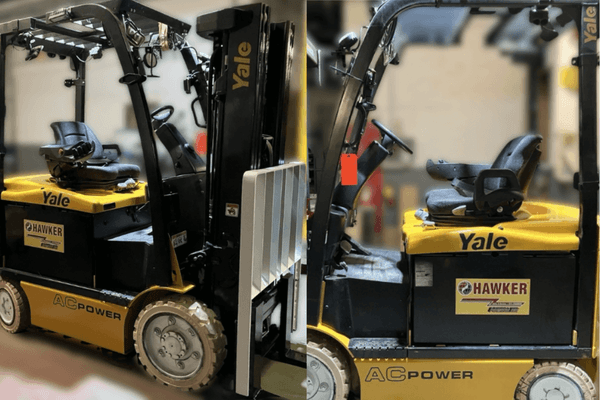
When a forklift battery begins to fail, the first signs usually appear during regular operation. These changes often develop gradually, which makes them easy to overlook in a busy work environment. However, paying close attention to how your electric forklift performs each day can reveal early indicators of battery failure before the problem escalates into something serious.
A decline in performance is often tied to internal chemical changes within the battery. As components wear down, the battery loses its ability to deliver steady power. This has a direct impact on how well your forklift does its everyday chores, especially in busy places where constant performance is very important.
Reduced Runtime During Shifts
One of the clearest indicators of battery failure is when your forklift battery can no longer last through a full shift. The battery drains faster and needs more charging breaks over the day instead of going through a normal cycle. This stops work from getting done and lowers overall productivity.
For businesses relying heavily on an electric forklift, even a small drop in runtime can create noticeable delays. A used battery may show this symptom earlier if it has already gone through a significant number of charging cycles.
Slower Performance and Power Loss
Another sign that often becomes noticeable is a gradual loss of power. The forklift may take longer to accelerate, struggle to lift loads efficiently, or feel less responsive overall. These changes can make routine tasks feel more demanding and time-consuming.
This type of performance drop usually points to increasing internal resistance within the forklift battery. As resistance rises, the battery cannot deliver energy as efficiently, leading to uneven power output and eventual battery failure.
Flickering or Dim Dashboard Lights
The dashboard often shows electrical problems. Lights that flicker or seem dim, especially when you lift or move them, can mean that the voltage levels are unstable.
This sign shows that the battery is having trouble keeping a steady flow of energy. It may seem like a small problem at first, but it usually means that the battery is having bigger troubles.
Unexpected Shutdowns
Few issues are as disruptive as a forklift shutting down unexpectedly during operation. This can interrupt workflows and create safety concerns for operators working in busy environments.
In many cases, the forklifts may stop or switch into a reduced-power mode even when the battery indicator still shows some charge. This mismatch between displayed charge and actual performance is a strong sign of battery failure and should not be ignored.
Physical Warning Signs You Should Never Ignore
While performance issues develop gradually, physical signs often provide clearer and more immediate warnings. These visible and sensory indicators are easier to identify and can quickly confirm that something is wrong with your forklift battery. Regular inspections play an important role in spotting these issues early and preventing further damage.
Ignoring physical warning signs can lead to safety risks and equipment damage. A forklift battery operates under demanding conditions, and visible changes often reflect internal problems that have already progressed.
Strong Sulfur Smell
If you smell a lot of sulfur or rotten eggs, it's a warning that something is wrong. This odor usually occurs when the battery is overheating or being overcharged, causing gases to escape.
This is not something to ignore. A forklift battery releasing this smell is under stress and may be approaching battery failure.
Swelling or Bulging Battery Case
A healthy battery maintains a stable shape. When the casing begins to swell or bulge, it often means internal pressure has built up due to gas accumulation or overheating.
This condition can become dangerous if left unchecked. It is often a sign that the battery has reached an advanced stage of battery failure.
Visible Leaks or Moisture
Any sign of leaking electrolyte should be treated as a serious issue. Leaks can damage nearby components and create hazardous conditions for operators.
If a forklift battery shows visible moisture or leakage, it should be inspected immediately to prevent further complications.
Charging Problems That Indicate Battery Failure
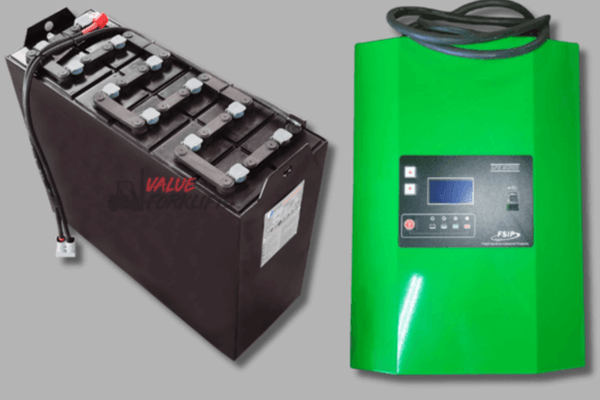
Charging behavior can reveal a lot about the health of a forklift battery. When the charging patterns start to alter, it usually means that the battery isn't working right anymore. These problems may take a long time to get worse, but if they aren't fixed, they can quickly influence how things work on a regular basis.
Checking how the battery charges over time is part of good battery maintenance. Changes in how long it takes to charge or how well it works can frequently be early signs of deeper issues.
Longer Charging Times
If your forklift battery suddenly takes much longer to charge, it may be losing its ability to store energy effectively. The charger may continue running, but the battery struggles to reach full capacity.
This issue often becomes more noticeable in older units or a used battery that has seen heavy use.
Incomplete Charging Cycles
A battery that never fully charges is often nearing the end of its usable life. Even after extended charging periods, it may fall short of full capacity.
This affects how long your electric forklift can operate and increases the likelihood of interruptions during work.
Overheating During Charging
Heat during charging is normal to some extent, but excessive heat is a warning sign. It indicates internal resistance and can speed up battery failure if not addressed.
Consistent battery maintenance and proper charging practices help reduce the risk of overheating.
Aging and Usage Factors Behind Battery Failure
Every forklift battery has a natural lifespan, and understanding how usage and environmental factors affect it can help you plan ahead. Over time, even the best-maintained batteries will begin to lose efficiency.
Heavy workloads, frequent charging, and environmental conditions all contribute to wear and tear. For businesses that rely on an electric forklift daily, these factors can accelerate battery failure.
Battery Age and Cycle Count
Most forklift batteries are made to last about five years or about 1,500 charging cycles. At this stage, performance usually starts to go down.
Even with consistent battery maintenance, it will still get old. Planning for replacement before anything breaks down completely helps keep things running smoothly.
Frequent Water Loss
If your battery requires frequent watering, it may be working harder than it should. This can be a sign of overcharging or internal damage.
It's important to have the right amount of electrolytes in the forklift battery, but using too much water can be a sign of bigger problems.
Impact of Extreme Conditions
Temperature plays a main key role in battery performance. High heat can accelerate chemical breakdown, while cold conditions can reduce efficiency.
For operations using an electric forklift in challenging environments, monitoring temperature impact is an important part of battery maintenance.
What Causes Forklift Battery Failure?
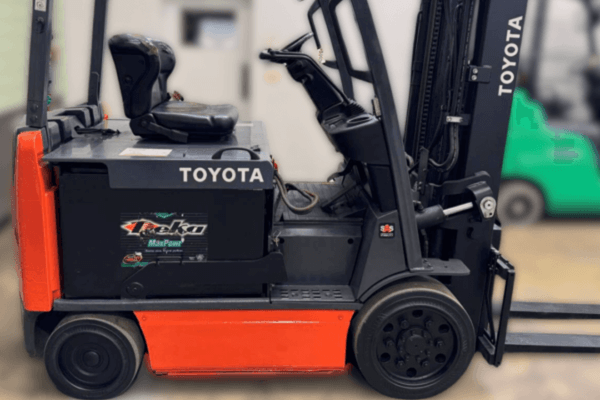
Understanding the causes behind battery failure helps prevent it. In most cases, failure results from a combination of factors rather than a single issue.
Poor habits, lack of maintenance, and heavy usage all contribute to the gradual decline of a forklift battery.
Poor Charging Practices
Charging patterns have a direct impact on battery health. Inconsistent or improper charging can shorten the lifespan of your forklift battery.
- Frequent partial charging cycles
- Overcharging the battery
- Using incorrect charging equipment
These practices reduce efficiency and increase the risk of battery failure.
Lack of Regular Battery Maintenance
Skipping routine battery maintenance allows small issues to grow into larger problems. It's important to clean, check, and keep an eye on things on a regular basis.
Without proper care, even a well-built forklift battery can fail sooner than expected.
Heavy Workload Demands
Continuous heavy use places additional strain on the battery. An electric forklift operating in high-demand environments requires close monitoring and regular servicing.
Using an Old or Worn-Out Battery
A used battery can be a practical choice, but it comes with limitations. If the battery has already been heavily used, it may be closer to failure than expected.
How to Prevent Forklift Battery Failure
Preventing battery failure starts with consistent care and attention. With the right practices, you can extend the life of your forklift battery and maintain reliable performance.
Follow a Consistent Maintenance Routine
Battery maintenance should be treated as a regular part of operations. Keeping the battery clean and properly maintained helps prevent many common issues.
- Check electrolyte levels regularly
- Clean terminals and connections
- Inspect for visible damage
Use Proper Charging Techniques
Charging correctly plays a key role in extending battery life. Following recommended charging practices helps maintain efficiency and reduce wear.
Avoid interrupting charging cycles and use the right equipment for your electric forklift.
Monitor Performance Closely
Paying attention to small changes in performance can help you detect problems early. Addressing issues before they worsen reduces downtime and repair costs.
Choose Quality Batteries
Whether you select a new unit or a used battery, quality matters. Working with trusted providers like Value Forklifts helps you find reliable options that meet your operational needs.
When Should You Replace a Forklift Battery?
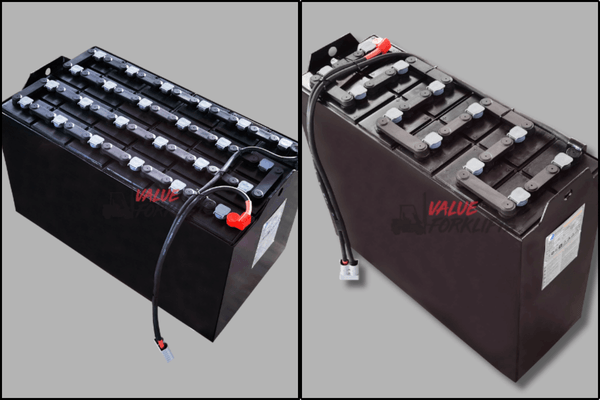
Knowing when to replace your forklift battery can help you avoid unexpected disruptions and maintain efficiency. Waiting too long often leads to higher costs and operational challenges.
Signs It Is Time for Replacement
- The battery cannot last through a full shift
- Charging becomes inconsistent
- Physical damage or leakage appears
When these issues appear together, replacement is usually the best option.
Cost vs Performance Consideration
Continuing to use a failing forklift battery can lead to increased downtime and reduced efficiency. Over time, these costs can outweigh the price of a replacement.
Evaluating a Used Battery Option
A used battery can still offer good value if it has been properly maintained. Always check its condition and history before making a decision.
Trusted suppliers like Value Forklifts can help you choose the right resolution based on your requirements.
Conclusion
A forklift battery gives clear warning signs before it fails completely. From performance issues to visible damage, these signals provide an opportunity to act early and avoid costly disruptions.
Regular battery maintenance, charging it correctly, and replacing it on time all help the battery last longer and work better. Taking care of your electric forklift ahead of time will help it work properly, whether you are utilizing a new unit or a used battery.
If you are noticing signs of battery failure or need help selecting the right forklift battery, Value Forklifts is here to help. Contact us today to find dependable solutions that keep your operations running without interruption.
FAQ
How to tell if a forklift battery is bad?
Common symptoms are shorter run times, slower speeds, longer charge times, and obvious problems like leaks or corrosion. These signs usually mean that the battery is dead.
How long does a forklift battery usually last?
A typical forklift battery lasts around five years or about 1,500 charging cycles, depending on usage and battery maintenance.
What are the main reasons of battery failure?
Battery failure is usually caused by poor charging habits, lack of battery maintenance, heavy usage, and natural aging. A worn-out used battery may also fail sooner.
What is the most likely condition to cause battery failure?
Improper charging practices are one of the most common causes. Overcharging or inconsistent charging can damage internal components and reduce battery life.