
Forklift Attachments That Boost Efficiency and Save Time
Walk into any busy warehouse and you’ll notice one thing right away. Everything moves fast. Orders, pallets, equipment, people. In that kind of environment, even small delays can ripple through the entire operation.
Forklifts already play a central role in keeping things moving. Still, their real potential shows up when they are paired with the right forklift attachments. With the right setup, a standard machine turns into a flexible, high-performing tool that can handle a wide variety of tasks without slowing things down.
From speeding up loading cycles to reducing product damage, forklift attachments bring practical improvements that operators notice right away. They help teams work smarter, cut down unnecessary effort, and keep operations running smoothly from start to finish.
Let’s explore the attachments that truly make a difference on the floor.
1. High-Efficiency Pallet Handling Attachments
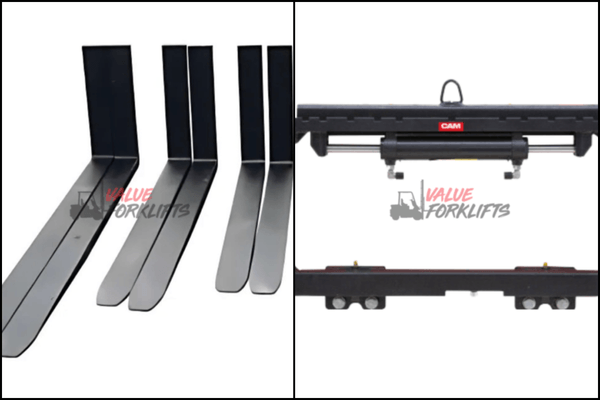
Pallet handling sits at the heart of most warehouse operations. When this part runs smoothly, everything else tends to follow. The right forklift attachments simplify movement, reduce wasted motion, and help operators complete tasks with confidence.
Side Shifters
Side shifters are among the most widely used forklift attachments, and for good reason. They allow operators to move loads slightly left or right without repositioning the entire forklift.
This small adjustment saves time in tight aisles and crowded storage zones. Instead of backing up and realigning, operators can fine-tune positioning instantly. That means fewer movements, quicker placements, and less strain on both the machine and the operator.
In fast-paced environments, side shifters can noticeably improve workflow and reduce handling time.
Fork Positioners
Fork positioners bring flexibility when dealing with different pallet sizes. Instead of stepping out and adjusting forklift forks manually, operators can change the spacing directly from the cabin.
This becomes especially useful in operations where load sizes vary throughout the day. Switching between different pallet widths becomes smooth and quick.
By reducing manual adjustments, fork positioners help maintain a steady workflow and keep operations moving without interruptions.
Multi-Pallet Handlers
When volume is high, efficiency often comes down to how much can be moved in a single trip. Multi-pallet handlers solve this by allowing forklifts to carry multiple pallets at once.
This reduces the number of trips needed across the warehouse floor. Fewer trips mean less fuel consumption, less wear on equipment, and faster order fulfillment.
In distribution centers where speed matters, this type of attachment can make a noticeable difference in daily output.
2. Specialized Load Handling Clamps
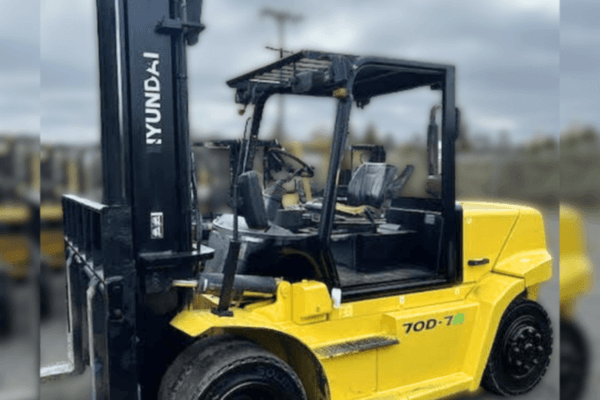
Not every load fits neatly on a pallet. Some products require careful handling and a secure grip. That’s where specialized clamps come in. These forklift attachments are designed for specific materials and shapes, helping operators handle them safely and efficiently.
Carton Clamps
Carton clamps are great for transferring things that don't need a pallet, including electronics, appliances, or packaged food. They hold things tightly from the sides, thus pallets are no longer needed.
This reduces reliance on wooden pallets and simplifies the handling process. It also helps save space during storage and transport.
For businesses dealing with large volumes of boxed goods, carton clamps offer a clean and efficient solution.
Paper Roll Clamps
Handling large paper rolls requires precision. These rolls are heavy, yet delicate. A wrong move can damage them and lead to costly losses.
Paper roll clamps are built to hold these cylindrical loads securely without crushing or marking them. Operators can lift, stack, and move rolls with confidence, even in high stacking situations.
This attachment is utilized a lot in businesses where speed and product quality are both important.
Bale Clamps
Bale clamps are commonly used in recycling, agriculture, and textile operations. They are designed to handle bulky, compressed materials like waste paper, fabric, or plastic.
These clamps provide a firm grip without damaging the material. They also make it easy to load and unload quickly, which keeps things going smoothly in busy places.
3. Versatility and Productivity Boosters
Some forklift attachments are built to expand what a forklift can do. They add flexibility, allowing one machine to handle tasks that would otherwise require separate equipment.
Push/Pull Attachments (Slip-Sheet Handlers)
Push/pull attachments are used to handle loads placed on slip sheets instead of pallets. This approach reduces pallet costs and frees up space inside containers.
By removing pallets from the process, businesses can load more goods into each shipment. That leads to better space utilization and lower shipping costs.
For operations focused on efficiency and cost control, this attachment offers clear advantages.
Rotators
Rotators allow forklift forks to turn a load fully, making it easy to dump or invert materials. This is especially useful when dealing with bins, containers, or scrap.
Instead of relying on manual tipping, operators can complete the task quickly and safely from the driver’s seat.
This reduces physical effort, improves safety, and speeds up repetitive tasks.
Weigh Forks
Weigh forks combine lifting and weighing into a single step. As operators move loads, they can check the weight instantly.
This eliminates the need to stop at a separate weighing station. It also helps prevent overloading, which protects both equipment and inventory.
For operations that require accurate weight tracking, this attachment keeps everything efficient and controlled.
Carpet Poles
Transporting rolled goods like carpets or textiles can be tricky with standard forklift forks. Carpet poles solve this problem by providing a long, sturdy support for these items.
The design allows operators to lift and move rolls safely without bending or damaging them. It also makes loading and unloading faster.
Telescopic Booms and Jibs
Telescopic booms and jibs extend the reach of a forklift, allowing it to handle long or awkward loads. They effectively turn a forklift into a lifting tool similar to a crane.
This makes it easier to place items in hard-to-reach areas or handle materials that do not fit traditional pallet formats.
With this added reach, operators can take on a wider range of tasks without switching equipment.
4. Safety and Maintenance Attachments
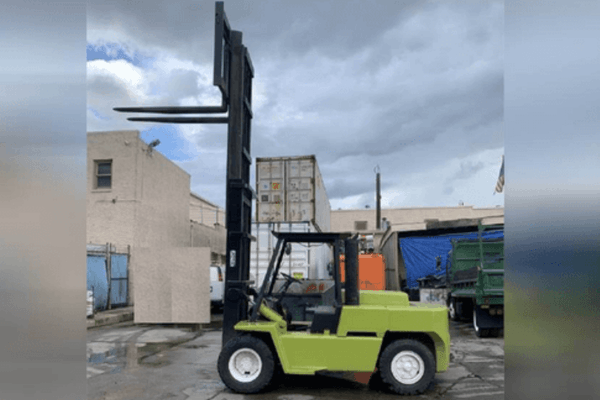
Efficiency matters, but safety always comes first. Certain forklift attachments are designed specifically to support safe operations while still improving productivity.
Work Platforms (Man Baskets)
Work platforms allow personnel to be lifted safely for maintenance tasks such as repairing lights or inspecting racks.
Instead of bringing in separate lifting equipment, teams can use the forklift already on site. This simplifies maintenance work and saves time.
When used correctly, work platforms provide a stable and secure working environment at height.
Load Stabilizers
Load stabilizers help keep items steady during lifting and transport. This is especially useful when handling tall, uneven, or fragile loads.
By reducing movement during lifting, stabilizers lower the risk of damage and improve operator confidence.
They play an important key role in maintaining safety during high-reach operations.
Why Choose Value Forklifts for Attachments
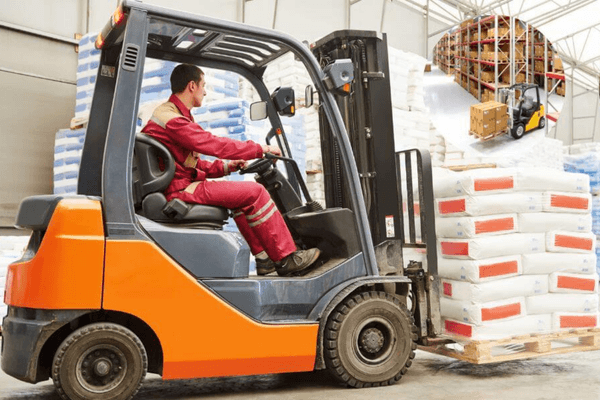
Choosing the right supplier matters just as much as choosing the right attachment. At Value Forklifts, the focus stays on practical solutions that fit real operational needs.
From durable forklift forks to reliable side shifters and forklift extensions, each product is designed with performance and usability in mind. The goal is simple. Help businesses move goods efficiently without unnecessary complications.
Whether you are upgrading your current setup or expanding your capabilities, Value Forklifts offers equipment that supports consistent, dependable performance.
Conclusion:
Each warehouse has its own way of doing things. Some move quickly and in large amounts, while others deal with specific materials that need great attention. In either scenario, the correct forklift attachments can help you run your business more smoothly and efficiently.
Each attachment has its own benefit, such as making it easier to move pallets with side shifters or extending the reach of a forklift. They all work together to cut down on delays, make things safer, and help people use equipment better.
If you are looking to upgrade your operations, Value Forklifts is ready to help. Look through a selection of dependable forklift attachments, such as high-quality forklift forks and side shifters, that are made to work in the real world.
Get in touch with us today and discover how the right equipment can improve your workflow and save valuable time across your operations.
Frequently Asked Questinons
What are forklift attachments and how do they improve efficiency?
Forklift attachments are gadgets that are put on forklifts to help them lift different kinds of goods. They make things easier, cut down on manual work, and speed up mobility around the workspace, which makes them more efficient.
Which forklift attachments are most commonly used?
Common options include side shifters, fork positioners, and multi-pallet handlers. These help operators adjust loads quickly and move multiple pallets in fewer trips.
How do forklift attachments help save time in material handling?
They cut down on the need for further trips and changes. The appropriate configuration makes tasks like moving, lifting, and unloading faster and easier.
Are forklift attachments compatible with all forklifts?
Most attachments work with regular forklifts; however, it depends on the type and how much weight it can lift. Before using something, it's a good idea to check its specifications.
Do forklift attachments affect load capacity and safety?
Always obey the limitations because attachments can modify the load capacity. When employed correctly, they make things more stable and safer to handle.