
3-Wheel Forklifts vs 4-Wheel Forklifts: Which Is Better for Your Warehouse?
Choosing the right equipment for your facility often feels like a high-stakes puzzle. You want to maximize every square inch of your floor space while keeping your team safe and your operations moving at a steady clip. If you are currently debating between 3-wheel forklifts and 4-wheel forklifts, you are asking the right questions. The decision impacts your daily workflow, your storage density, and your long-term maintenance costs.
At Value Forklifts, we believe that understanding the nuances of these machines helps you build a more resilient business. It is not simply a matter of counting tires. The choice involves looking at your aisle widths, the weight of your typical pallet, and whether your team spends their day on smooth concrete or navigating the occasional gravel patch. By the end of this blog, you will know exactly what to do to meet your needs.
Breaking Down the Fundamentals of Forklift Design
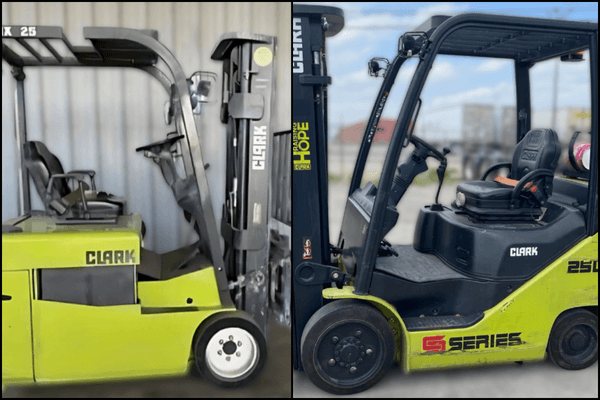
The primary distinction between these two types of machinery lies in how they distribute weight and how they pivot. A 3-wheel type has a single drive wheel (or a pair of wheels) in the middle of the back, which lets it turn quickly. The 4-wheel version, on the other hand, is set up like a standard vehicle, which gives it a bigger footprint and a different sense of balance.
The Mechanics of 3-Wheel Forklifts
When you look at 3-wheel forklifts, the first thing you notice is the agility. Because the rear wheel can rotate nearly 90 degrees, the machine can pivot within its own length. This design is built for precision. These units are frequently designed as electric forklifts, making them quiet and exhaust-free for indoor environments. They excel in situations where you need to navigate around tight corners or pull inventory from high shelves without needing a massive amount of floor space to turn around.
The Stability of 4-Wheel Forklifts
For tasks that involve heavy lifting, 4-wheel forklifts are the gold standard. Having a wheel at each corner provides a sense of security when carrying loads that reach toward the ceiling. These machines are the workhorses of the business. They can often lift weights that would be too much for a smaller unit to handle. The extra wheel gives the machine the lateral stability it needs to stay level on slightly uneven ground, whether you're moving big containers or stacking heavy logs.
Navigating Your Space: Aisle Widths and Maneuverability
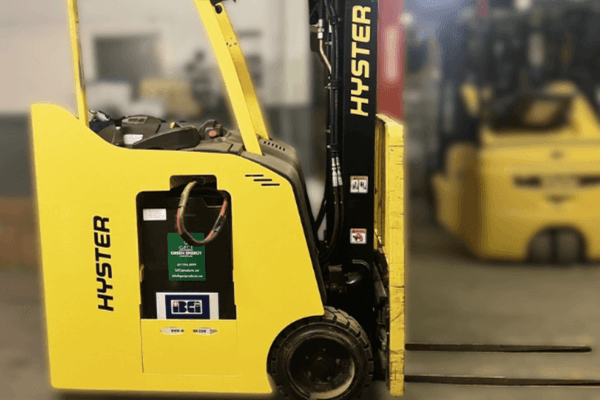
The layout of your warehouse is perhaps the biggest deciding factor. If your racks are packed tightly together to maximize storage, you are likely looking for a forklift for narrow aisles. Every inch of aisle width you can save gives you more room for products, which directly affects your bottom line.
Mastering the Tight Squeeze
If your facility operates with aisles narrower than twelve feet, 3-wheel forklifts are almost certainly your best bet. Their turning radius is significantly tighter, often around 58 inches. Using a specialized forklift for narrow aisles allows you to shrink your "dead space" and increase your pallet positions. When you search for forklifts for sale near me, pay close attention to the turning radius specs if your floor plan is particularly crowded.
- They allow for tighter rack configurations.
- Operators can navigate congested loading docks with ease.
- The compact frame makes them easier to store when not in use.
Turning Radius Realities
While 4-wheel forklifts require more room to maneuver, usually needing an aisle width of at least 13 or 14 feet, they offer a different kind of efficiency. Their turning radius typically hovers around 65 inches or higher. While they might take a few extra seconds to line up a shot in a tight spot, they make up for it with sheer power. If you have plenty of room to roam, the maneuverability trade-off is often worth the increased lift capacity.
Power and Performance Standards
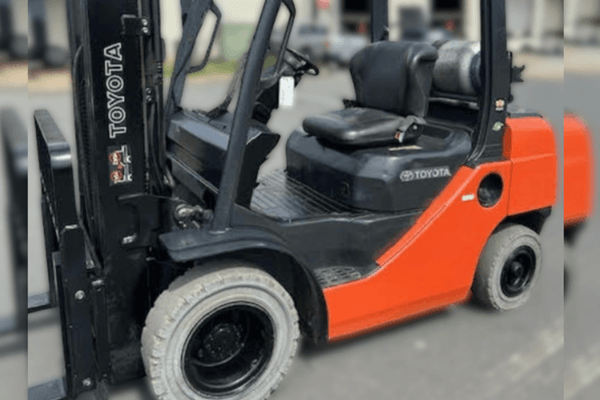
The "heart" of your forklift determines how long it can run and how much it can carry. Modern technology has narrowed the gap between different power sources, but some clear winners remain depending on your application.
The Rise of Electric Forklifts
Efficiency is the name of the game in modern logistics. Most electric forklifts are available in both 3-wheel and 4-wheel configurations. These machines eliminate the need for fuel storage and significantly reduce noise levels in the warehouse. Choosing electric forklifts also means fewer moving parts to maintain compared to internal combustion engines. This makes them a favorite for food-grade facilities or any indoor space where air quality is a priority.
Load Capacity Limits
Weight limits are a hard boundary you cannot ignore. Generally, 3-wheel forklifts are designed for lighter tasks, typically topping out around 5,000 to 5,500 pounds. If your inventory consists of electronics, consumer goods, or light manufacturing parts, this is usually plenty of muscle. However, if your loads exceed 6,000 pounds or reach into the 20,000-pound range, you will need the heavy-duty construction of 4-wheel forklifts.
- 3-wheel: Best for loads under 2.5 tons.
- 4-wheel: Capable of lifting 10 tons or beyond.
- Always check the load center requirements to stay within safe operating limits.
Operating Environments: Indoor vs. Outdoor Use
Where you drive is just as important as what you carry. The floor surface dictates how much vibration the machine absorbs and how well it maintains traction.
Smooth Flooring Success
In a climate-controlled warehouse with polished concrete, 3-wheel forklifts thrive. Their smaller wheels are designed for high-traction, smooth surfaces. They are the ideal forklift for narrow aisles because they don't have to contend with potholes or steep inclines. If your work is strictly indoors, you can focus on the agility and energy savings these units provide.
Conquering Rough Terrain
The moment your operations move outside, the conversation changes. 4-wheel forklifts are far better suited for asphalt, gravel, or uneven yards. The four-point contact with the ground helps the machine stay stable when crossing small bumps or ramps. If you find yourself searching for forklifts for sale near me because you need a machine to unload trailers in a rainy yard, look for a 4-wheel model with pneumatic tires to handle the grit of the outdoors.
Budgeting and Long-Term Value
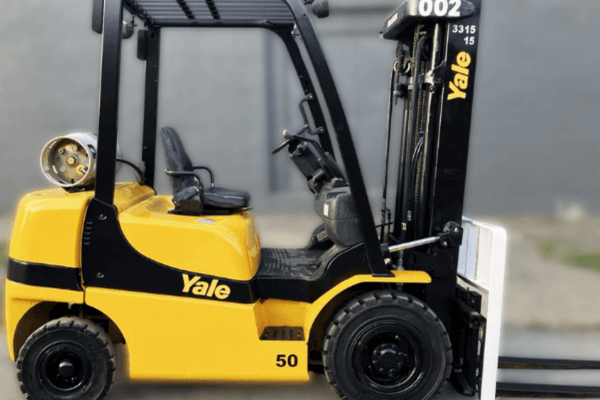
Investing in machinery is a balance of upfront costs and ongoing expenses. While a new machine is nice, many businesses find incredible value in browsing used forklifts to stretch their capital further.
Finding Used Forklifts
Buying pre-owned equipment is a smart way to get a high-spec machine at a fraction of the cost. When looking at used forklifts, it is vital to check the battery life on electric models and the hydraulic seals on all units. At Value Forklifts, we see many companies opt for used forklifts so they can afford a higher-capacity 4-wheel model or a more advanced forklift for narrow aisles than their budget would otherwise allow for a new purchase.
Maintenance and Longevity
The simplicity of 3-wheel forklifts often leads to lower maintenance costs over time, particularly because they frequently run on electric power. However, 4-wheel forklifts are built for durability. Their components are often beefier to handle the stress of heavy loads and outdoor conditions. To verify your equipment lasts, stick to a strict service schedule, regardless of how many wheels the machine has.
Quick Comparison Table
| Feature | 3-Wheel Forklifts | 4-Wheel Forklifts |
| Turning Radius | Very Tight (Approx. 58") | Wider (Approx. 65"+) |
| Typical Capacity | Up to 5,000 lbs | 5,000 lbs to 20,000+ lbs |
| Best Surface | Smooth Indoor Concrete | Uneven Floors, Ramps, and Outdoor |
| Aisle Suitability | Excellent forklift for narrow aisles | Better for wide aisles and yards |
| Common Power | Mostly electric forklifts | Electric, Diesel, or Propane |
| Stability | High on flat ground | Superior for high stacking & uneven ground |
Conclusion
Deciding on the right machinery comes down to the daily reality of your warehouse. If you find yourself searching for forklifts for sale near me, take a moment to measure your narrowest aisle and weigh your heaviest pallet. These two numbers will point you in the right direction.
If your priority is high-density storage and quick maneuvering through tight spots, then 3-wheel forklifts will feel like a breath of fresh air for your operators. However, if your team is moving heavy crates between the warehouse and an outdoor loading dock, the rugged stability of 4-wheel forklifts is hard to beat.
Don't forget the secondary market as well. Exploring used forklifts can provide you with the flexibility to get a premium machine while keeping your overhead low. Whether you need a specialized forklift for narrow aisles or a fleet of heavy-duty electric forklifts, the right choice helps keep your team productive and your workplace safe.
If you have more questions or want to see these machines in person, we are here to help. Contact our team at Value Forklifts today to find the best fit for your warehousing needs!
Frequently Asked Questions
1. What is the main difference between 3-wheel forklifts and 4-wheel forklifts?
The core difference is the wheel configuration and how it affects the turning radius. 3-wheel forklifts use a single rear wheel to pivot sharply, making them incredibly agile. 4-wheel forklifts use a traditional four-corner stance, which provides better stability for massive loads and rougher terrain.
2. Which forklift is best for narrow aisles?
A forklift for narrow aisles is almost always a 3-wheel model. These machines can navigate through spaces that are several feet narrower than what a 4-wheel model requires. This allows you to place your racks closer together and increase your total storage capacity.
3. Are 3-wheel forklifts powerful enough for heavy loads?
While 3-wheel forklifts are strong, they have limits. They are perfect for light to medium tasks, usually involving pallets under 5,000 pounds. For anything significantly heavier or for high-intensity outdoor work, 4-wheel forklifts are the better choice.
4. Are electric forklifts available in both 3-wheel and 4-wheel models?
Yes, you can find electric forklifts in both configurations. Many modern warehouses prefer electric power for both 3-wheel and 4-wheel units because it reduces emissions and lowers long-term fuel costs. If you are looking for used forklifts, you will likely find a healthy mix of both electric styles.
5. Which forklift is better for indoor use?
Both work well indoors, but the choice depends on your space. If you have tight corners, 3-wheel forklifts are superior. If you have plenty of room and very heavy pallets, a 4-wheel model will serve you well. Generally, the 3-wheel design is the most popular choice for standard indoor warehousing.