
Why Leasing Hybrid forklift Fleets (Electric + IC) Lowers Long-Term Cost for Mid-Size Warehouses
Running a mid-size warehouse means juggling dozens of decisions every day. Some are small and routine, others quietly shape long-term performance and cost. Forklift selection falls into the second category. These machines touch almost every part of daily operations, from unloading inbound shipments to staging outbound orders. When the wrong equipment is used for the job, inefficiencies build slowly and expenses follow.
Warehouse operators all over Ohio are also resorting to renting a hybrid forklifts fleet which encompasses electric forklifts used in the warehouse and internal combustion forklifts used outside and on heavier tasks. This setup gives teams practical flexibility while avoiding the financial pressure that comes with owning equipment outright. Leasing also provides another level of security through maintaining a constant level of costs and also the ability to access more modern equipment with the changing needs.
When planned thoughtfully, leasing a hybrid forklift fleet helps mid-size warehouses control operating costs, reduce interruptions, and stay responsive as workloads shift.
Understanding Hybrid Forklift Fleets in Warehouse Operations
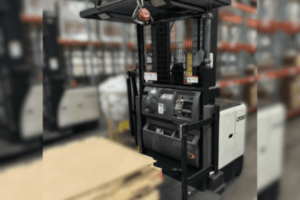
Using both electric and IC forklifts in the same warehouse operation is what a hybrid forklift fleet is. We don't make one type of equipment do all the work; instead, we assign each forklift to the job it does best.
Electric forklifts are often utilized indoors since they are cleaner, quieter, and can turn more tightly. IC forklifts, which are commonly fueled by propane, work better in outside yards, on docks, on uneven ground, and with bigger loads. Splitting responsibilities this way allows equipment to work within its intended conditions, which helps reduce wear and keeps productivity consistent.
Leasing supports this approach by giving warehouses room to adjust. As layouts change, order volume grows, or workflows shift, fleet composition can change as well without locking the business into long-term ownership.
How Leasing Hybrid Forklifts Reduces Maintenance and Operating Costs
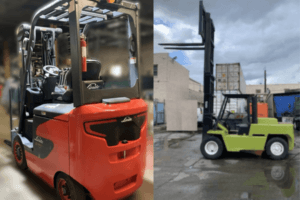
Leasing a hybrid forklift fleet has a direct impact on maintenance expenses and daily operating costs. By using electric and IC forklifts where they belong, warehouses avoid placing unnecessary strain on any single piece of equipment.
Lower Maintenance Costs with Electric Forklifts
Electric forklifts require far less routine service than combustion-powered units. Oil changes, fuel filters and exhaust systems are not being maintained. This will eventually result in reduced service downtime and reduced maintenance expenditure on the whole.
Energy costs are another factor. Electricity typically costs less than propane, especially in indoor environments where forklifts operate continuously throughout the day. Warehouses running extended shifts often notice these savings quickly.
Smarter Use of IC Forklifts
IC forklifts are still necessary for outdoor labor and carrying heavy things, but a hybrid forklift strategy means they can only be used when they really help. Warehouses save fuel and slow down wear and tear on machines by not using IC units all the time indoors.
Electric forklifts handle much of the routine movement inside the facility, which spreads the workload more evenly across the fleet and lowers long-term service demand.
Reduced Downtime Through Leasing Support
Leasing programs have planned maintenance and service covers. Periodic checkups allow detecting minor problems early before they escalate to massive problems that affect operations.
In mid-size warehouses that do not have dedicated maintenance teams, this assistance allows the easy management of the fleet and availability of the forklifts when they are most required.
Predictable Capital Management and Budget Stability
Leasing changes how forklift costs show up in monthly budgets and long-term financial planning. Instead of large purchases followed by unpredictable repair expenses, costs become easier to forecast.
Avoiding Large Upfront Purchases
Buying forklifts outright requires a significant cash commitment. Leasing removes that pressure and allows warehouses to put modern equipment into service without tying up capital that could support staffing, inventory, or facility improvements.
This flexibility is especially helpful during expansion periods or when operations are adjusting to new customers or product lines.
Consistent Monthly Expenses
Lease payments create a steady monthly expense that simplifies budgeting. Sudden repair costs tied to aging owned forklifts are less common, which helps financial planning stay on track.
With fewer surprises, management teams can focus on improving workflow rather than reacting to equipment failures.
Staying Ahead of Obsolescence
Forklift technology continues to change, particularly around batteries, safety systems, and energy efficiency. Leasing allows warehouses to update equipment on a regular cycle instead of operating older machines far beyond their practical lifespan.
Newer forklifts tend to run more reliably and require less service, which helps control costs over time.
Tailored Solutions for Ohio Warehouse Environments
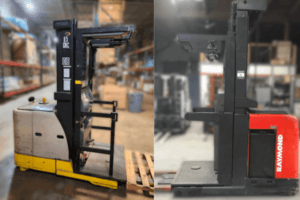
Warehouses across Ohio deal with changing seasons, fluctuating demand, and varied operating conditions. A hybrid forklift fleet fits well within this reality.
Adapting to Seasonal Demand
Many Ohio warehouses experience spikes in activity during certain times of year. Leasing allows fleets to expand during busy periods and scale back when demand slows.
This approach avoids paying for equipment that would otherwise sit unused for long stretches.
Matching Equipment to Indoor and Outdoor Tasks
Electric forklifts perform well inside warehouses, where quiet operation, zero emissions, and precise maneuvering improve efficiency. They are particularly effective in narrow aisles and dense storage areas.
IC forklifts handle yard work, dock operations, and uneven surfaces with confidence. Using each forklift type where it performs best keeps operations running smoothly across the entire facility.
Performance in Cold Storage and Harsh Conditions
Modern electric forklifts operate reliably in cold storage environments when properly specified. Many food and pharmaceutical warehouses rely on electric equipment for consistent performance in temperature-controlled spaces.
IC forklifts continue to play an important role outdoors during winter months, giving hybrid fleets dependable year-round capability.
Financial and Regulatory Advantages of Hybrid Forklift Leasing
Leasing a hybrid forklift fleet offers benefits that go beyond maintenance and energy savings, particularly when it comes to compliance and financial planning.
Tax Benefits
Lease payments are commonly treated as operating expenses, which can simplify accounting and support steady cash flow throughout the year.
Cleaner Indoor Air and Lower Facility Costs
Electric forklifts don't give off any pollution when they're in use. This lowers the need for ventilation in closed spaces and helps meet workplace air quality regulations.
Lower ventilation demand often translates into reduced energy use and a more comfortable working environment.
The Role of Used and Certified Forklifts in a Hybrid Fleet
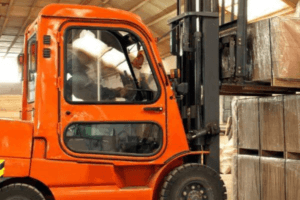
Many warehouses include used forklift and certified forklift options within their leasing strategy. When properly inspected and maintained, these units provide reliable performance at a lower monthly cost.
Certified forklifts are reconditioned and tested before returning to service. When leased, they work well for support roles, backup coverage, or moderate workloads.
A balanced hybrid forklift fleet may include:
- New electric forklifts for high-usage indoor tasks
- Certified forklifts for secondary operations
- Used forklift units for seasonal or temporary needs
This mix helps control expenses while maintaining dependable performance.
Choosing the Right Partner for Hybrid Forklift Leasing
Good planning is very important for the success of a hybrid forklift strategy. An experienced leasing partner can look at the layout of the warehouse, how it is used, and the needs of the season before suggesting equipment.
Providers such as Value Forklifts work with warehouse teams to design fleets that reflect real operating conditions. Careful planning and ongoing support lead to smoother workflows and stronger cost control over time.
Conclusion
Leasing a hybrid forklift fleet gives mid-size warehouses a practical way to manage long-term costs while maintaining flexibility and performance. By combining electric forklifts for indoor efficiency with IC forklifts for outdoor and heavy-duty work, warehouses align equipment with daily needs.
Leasing stabilizes expenses, reduces maintenance pressure, and keeps fleets current. Over time, this approach supports lower operating costs, reliable uptime, and compliance with safety and environmental expectations.
A hybrid forklift leasing trategy is a clear way for warehouses to upgrade their operations without taking on too much financial risk. Get in touch with Value Forklifts to learn about solutions that are right for your business and start constructing a fleet that will help you succeed in the long run.
FAQ
What is an advantage of using electric-powered forklifts?
Electric forklifts have lower maintenance requirements, operate quietly, and produce no emissions. They are well suited for indoor environments where air quality and maneuverability matter.
What is the disadvantage of an electric forklift?
Electric forklifts require charging infrastructure and thoughtful battery planning. Without proper scheduling, charging time can affect productivity in multi-shift operations.
Are hybrid forklifts more expensive?
At first, a hybrid forklift fleet may seem more expensive, but leasing spreads the costs out over time. Long-term operational expenses are frequently lower because of savings on maintenance, greater use of equipment, and energy economy.
How long does a hybrid forklift last?
Forklifts may run for many thousands of hours if they are taken care of properly. Leasing lets warehouses replace equipment before maintenance expenses go up, which keeps fleet performance steady.