
New vs. Used Forklift Cost Comparison: Costs, Savings, and Risks
A new forklift usually costs more upfront but can offer warranty coverage, newer technology, and fewer unexpected repairs during its early operating life. A used forklift generally costs less to purchase, appealing to companies with tight budgets or occasional equipment needs.
However, the cheapest purchase price does not always mean the lowest long-term cost.
This new vs. used forklift cost comparison examines purchase prices, maintenance, energy expenses, depreciation, and downtime. We'll also explain how to calculate the total cost of ownership so you can choose equipment that fits your workload and budget.
New vs. Used Forklift Cost Comparison: Upfront Prices
Choosing between a new and used forklift starts with the purchase price. However, equipment capacity, power type, brand, condition, and available features can significantly affect the final quote.
New Forklift Cost Overview
A new forklift may cost anywhere from approximately $15,000 to over $100,000, depending on the equipment category and configuration.
The following estimates provide a starting point for comparing common forklift types.
| Forklift Type | Indicative Cost | Typical Application |
|---|---|---|
| Electric warehouse forklifts (3,000–4,000 lb) | 15,000–25,000 | Indoor warehouse operations |
| LPG forklifts (5,000–6,000 lb) | 25,000–35,000 | General material handling |
| Diesel forklifts (8,000–12,000 lb) | 40,000–60,000 | Demanding outdoor applications |
| High-capacity forklifts (15,000+ lb) | 60,000–120,000+ | Industrial and heavy-load operations |
| Narrow aisle reach trucks | 25,000–40,000 | High-rack storage operations |
| Order pickers | 15,000–30,000 | Elevated inventory picking |
| Pneumatic 4-wheel forklifts | 30,000–65,000 | Outdoor and uneven surfaces |
| Cushion tire forklifts | 20,000–45,000 | Smooth warehouse floors |
| Electric pallet jacks and stackers | 3,500–12,000 | Short-distance pallet movement |
These are indicative planning ranges adapted from the existing article, not verified current dealer quotations. Actual prices may fall outside these ranges.
Additional expenses may include delivery, attachments, batteries, chargers, financing, and optional warranty coverage.
Businesses comparing purchasing options can also review our forklift cost comparison for buying, renting, or leasing.
Cost of Used Forklift Options
Used forklifts often have a lower purchase price than comparable new equipment. The actual savings depend on age, operating hours, condition, capacity, and maintenance history.
| Used Forklift Type | Indicative Cost | Typical Application |
|---|---|---|
| Electric forklifts (3,000–4,000 lb) | 5,000–10,000 | Indoor warehouse operations |
| LPG forklifts (5,000–6,000 lb) | 10,000–18,000 | General material handling |
| Diesel forklifts (8,000–12,000 lb) | 18,000–30,000 | Outdoor industrial operations |
| Refurbished high-capacity forklifts | 25,000–40,000 | Heavy-duty applications |
| Narrow aisle reach trucks | 10,000–25,000 | High-density storage |
| Order pickers | 8,000–18,000 | Warehouse order fulfillment |
| Cushion tire forklifts | 10,000–28,000 | Smooth indoor surfaces |
| Pneumatic 4-wheel forklifts | 15,000–40,000 | Outdoor material handling |
| Electric pallet jacks and stackers | 2,000–7,000 | Pallet movement |
These pricing ranges come from the existing article and should be updated using current comparable listings before publication.
The lower cost of used forklift equipment can help businesses preserve capital for staffing, inventory, facility improvements, and other operating expenses.
Maintenance, Fuel, and Operating Costs
A forklift's operating costs depend on its power source, annual usage, maintenance history, and working conditions.
New forklifts: These machines generally have fewer worn components at purchase. Manufacturer warranty coverage may also reduce certain repair expenses during the coverage period. However, routine servicing and inspections are still necessary.
Used forklifts: Older equipment may require additional repairs, including tires, brakes, hydraulic components, and electrical systems. A well-maintained used machine can still provide years of service.
Electric forklifts: Operating expenses include electricity, charging equipment, battery maintenance, and eventual battery replacement. Battery type and condition are important when evaluating a used electric forklift.
Propane and diesel forklifts: These machines require fuel, engine servicing, and maintenance suited to their operating environment.
To compare ownership expenses accurately, read our guide to the true hourly cost of a used forklift.
Price Influencing Factors
Several factors affect both new forklift prices and used equipment costs:
- Load capacity: Higher-capacity equipment generally requires a larger investment.
- Power source: Electric, propane, and diesel forklifts have different purchase and operating expenses.
- Operating hours: High-hour used equipment may have additional wear.
- Attachments: Side shifters, fork positioners, and specialized masts affect pricing.
- Battery condition: Used electric forklifts may need battery repairs or replacement.
- Transportation: Shipping costs vary by equipment size and delivery distance.
- Financing: Interest and financing fees influence the final ownership cost.
Request quotes based on the same equipment specifications to make a fair comparison.
How to Calculate the Total Cost of Forklift Ownership
A forklift's purchase price represents only one part of its total cost.
To understand which equipment provides better long-term value, calculate the expenses associated with owning and operating each forklift over the same period.
Total Ownership Cost = Purchase Price + Maintenance + Fuel or Electricity + Insurance + Financing + Downtime Costs − Estimated Resale Value
Example: New vs. Used Forklift Cost Over Five Years
Consider two forklifts with similar capacities and operating requirements.
| Cost Factor | New Forklift | Used Forklift |
|---|---|---|
| Initial purchase price | $35,000 | $20,000 |
| Five-year maintenance and repairs | $4,000 | $9,000 |
| Five-year energy costs | $6,000 | $6,000 |
| Insurance and other costs | $3,000 | $3,000 |
| Estimated resale value | −$17,000 | −$8,000 |
| Total five-year ownership cost | $31,000 | $30,000 |
Illustrative hypothetical example only. These values are not actual Value Forklifts quotations, financial projections, or verified operating-cost averages.
In this example, the used forklift costs $15,000 less upfront, but higher maintenance and lower resale value reduce the difference in total ownership costs to $1,000.
This demonstrates why buyers should calculate the full ownership cost before making a decision.
What You Save: Financial Benefits of Buying Used
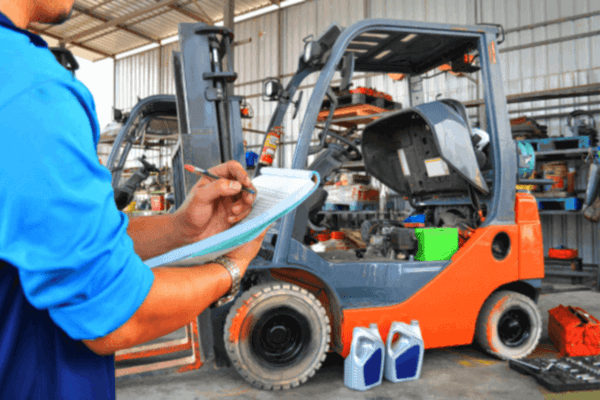
Buying used forklift equipment can help businesses reduce initial expenses while maintaining the lifting capacity needed for daily operations.
Lower Initial Investment
A lower purchase price allows businesses to preserve cash for other operating priorities.
For growing warehouses, purchasing used equipment may make it easier to expand handling capacity without committing as much capital to a new fleet.
Faster Return on Investment (ROI)
A lower purchase price can shorten the time needed to recover an equipment investment.
However, actual ROI depends on the forklift's usage, maintenance expenses, productivity, and downtime.
For businesses with light or seasonal workloads, properly maintained reconditioned forklifts may provide an economical option.
Avoiding Rapid Depreciation
New forklifts typically experience significant depreciation during the earlier years of ownership.
A used forklift has already passed through part of that period, which can help reduce the amount of value lost after purchase.
However, forklift resale value depends on brand, condition, operating hours, service history, and market demand.
What You Risk: Downsides of Used Forklifts
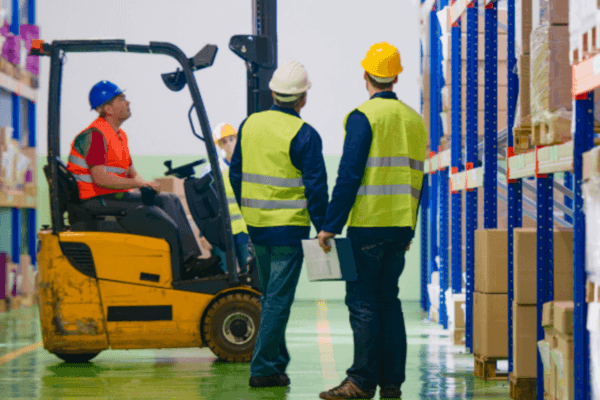
Although used forklifts can reduce purchase expenses, buyers should understand the potential risks.
- Higher Maintenance Costs: Worn components may require additional repairs.
- Unknown Equipment History: Missing service records make it difficult to assess previous maintenance.
- Reduced Remaining Service Life: Equipment with substantial wear may have fewer productive operating hours remaining.
- Warranty Limitations: Warranty coverage is an important factor when purchasing a used forklift. Value Forklifts advertises a 12-month warranty on its used equipment. Before purchasing, confirm the coverage, exclusions, and warranty terms for the specific forklift.
- Older Safety Features: Some machines may lack newer operator-assistance technology.
- Unexpected Downtime: Mechanical problems can interrupt operations and increase expenses.
A detailed inspection and access to used forklift maintenance records can help buyers identify possible problems before making a purchase.
Key Considerations for Your Operation
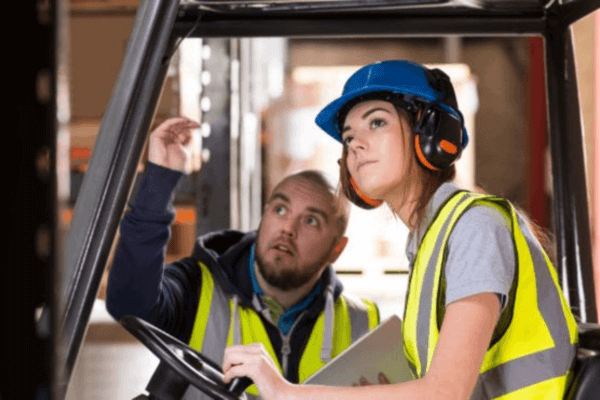
The right forklift should match your workload, facility layout, lifting requirements, and operating budget.
Intended Use and Frequency
If your forklift operates for long periods each day, purchasing new equipment may provide advantages in reliability, warranty coverage, and predictable maintenance.
For occasional warehouse tasks, seasonal demand, or backup equipment, a well-maintained used forklift may be sufficient.
How Many Operating Hours Make a Used Forklift Worth Buying?
Operating hours provide useful information about equipment usage. However, a forklift's condition cannot be judged by its hour meter alone.
A higher-hour machine with consistent maintenance may be in better condition than a low-hour forklift that was poorly serviced.
Compare operating hours with maintenance records, inspection findings, hydraulic performance, tire condition, and battery health.
Our guide to used forklift operating hours explains how to evaluate machines with different usage histories.
Resale Value Planning
Before buying, consider how long you intend to keep the forklift.
New equipment may retain a higher absolute resale price, while used equipment can involve a smaller initial investment and potentially less depreciation in dollar terms.
Evaluate the expected resale value alongside maintenance costs and the planned ownership period.
Parts Availability
Some older forklifts may have limited replacement-part availability.
Before purchasing used equipment, confirm that common service parts, hydraulic components, electrical parts, and suitable tires remain obtainable.
New Forklifts: Pros, Cons, and Value Over Time
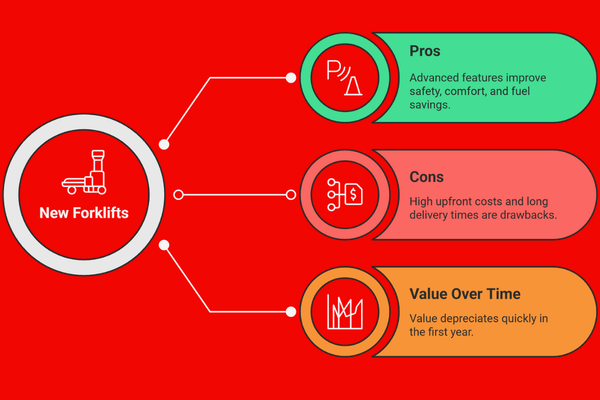
New forklifts can be suitable for businesses with intensive operating schedules or specialized equipment requirements.
Pros of Buying New
- Warranty Coverage: Manufacturer warranties may reduce certain repair expenses.
- Modern Technology: Newer models may include updated safety and operator-assistance features.
- Customization: Buyers can specify mast configurations, attachments, tires, and other equipment options.
- Predictable Early Maintenance: New components generally have less wear at the time of purchase.
Cons of Buying New
- Higher Purchase Price: New equipment requires a larger initial investment.
- Depreciation: New forklifts can lose substantial value during early ownership.
- Delivery Time: Specialized configurations may require longer ordering periods.
These considerations can make new forklifts attractive for intensive, long-term use, provided the purchase cost fits the business budget.
Used Forklifts: Pros, Cons, and Buying Considerations
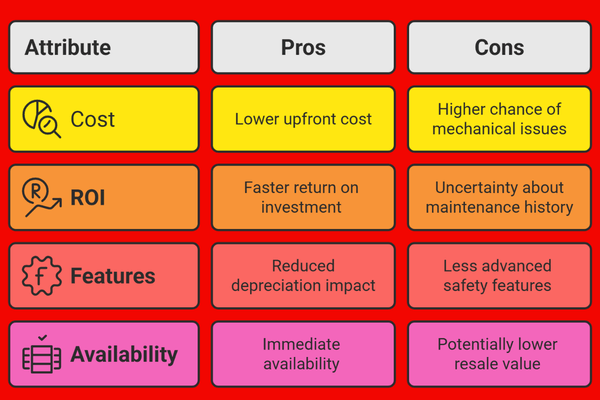
Used forklifts provide an alternative for businesses seeking capable material handling equipment at a lower initial cost.
Pros of Buying Used
- Lower initial purchase expense
- Potentially faster availability from existing inventory
- Reduced exposure to early equipment depreciation
- Access to established forklift brands at different price points
- Suitable options for occasional, seasonal, or backup use
Cons of Buying Used
- Increased likelihood of age-related repairs
- Possible limitations in equipment configuration
- Greater importance of checking service history
- Potential battery or component replacement expenses
- Warranty coverage that varies by unit and seller
Inspecting equipment before purchase helps reduce uncertainty.
Hidden Costs and Long-Term Impacts
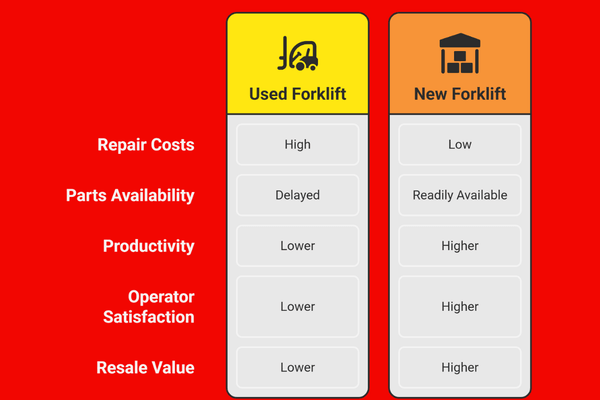
A forklift's total cost also includes expenses that may not appear in the original purchase quotation.
Hidden Costs of Used Forklifts
Unexpected mechanical repairs can increase operating expenses.
For electric forklifts, battery condition deserves particular attention. A low purchase price may become less attractive if the battery requires replacement shortly after purchase.
Other potential expenses include transportation, replacement tires, hydraulic servicing, and lost productivity during breakdowns.
Long-Term Value of New Forklifts
New equipment can offer predictable early maintenance requirements and access to updated technology.
For businesses running multiple shifts, reliability and consistent fleet specifications may justify a higher purchase price.
However, the actual financial advantage must be calculated using operating hours, repair expenses, downtime, and resale value.
When to Choose New vs. Used Forklift
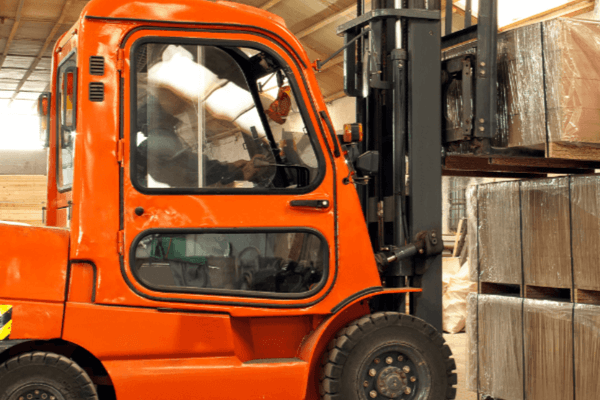
The most suitable option depends on equipment usage, operational demands, and financial priorities.
Choose New If:
- Your forklift operates for extended periods across multiple shifts.
- You need a specific factory configuration.
- Newer technology is important to your operation.
- You prioritize manufacturer warranty coverage.
- Your budget supports a higher initial investment.
Choose Used If:
- You need to control purchase expenses.
- Forklift usage is light or seasonal.
- You need additional warehouse capacity.
- You can verify the equipment's condition and maintenance history.
- A suitable used model meets your safety, capacity, and performance requirements.
Tips for Making the Best Decision
Following a consistent buying process helps businesses compare equipment more confidently.
1. Choose a Reputable Brand
Consider manufacturer reliability, parts availability, dealer support, and maintenance requirements.
2. Work With a Trusted Forklift Dealer
Ask how the seller evaluates used equipment and what service information is available.
Our used forklift dealer checklist covers important questions to ask before purchasing.
3. Conduct a Full Inspection
Inspect the forks, mast, hydraulics, tires, brakes, warning devices, and other safety-critical components. Arrange a qualified inspection when necessary.
4. Request Full Service Records
Maintenance history can help identify previous repairs and recurring issues.
5. Ask About Warranty Options
Confirm warranty eligibility, coverage periods, exclusions, and claim procedures.
6. Calculate Total Ownership Cost
Compare purchase price, energy consumption, maintenance, financing, downtime, and expected resale value over the same period.
Trusted Support and Inventory From Value Forklifts
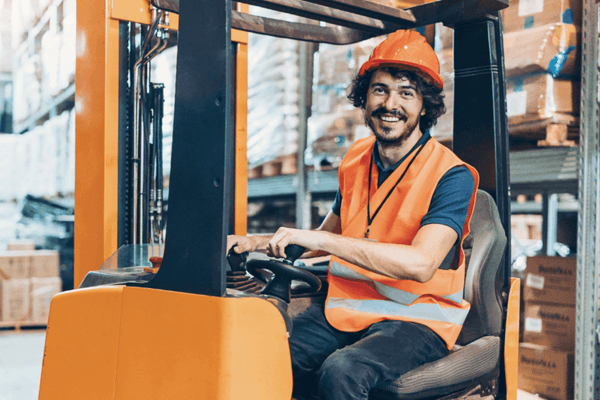
At Value Forklifts, we help businesses compare used material handling equipment based on their operating requirements and budgets.
Our available equipment categories include electric forklifts, propane forklifts, stand-up models, and narrow aisle equipment.
We can help you explore suitable models based on capacity, operating hours, condition, power type, and application.
Conclusion
Choosing between new and used forklifts requires careful consideration of purchase price, maintenance costs, operating hours, downtime, and long-term value.
New equipment can offer warranty coverage and newer technology, making it attractive for demanding workloads. Used forklifts can lower initial investment and provide practical value for businesses with suitable operating requirements.
Before purchasing, compare equivalent equipment, review maintenance records, and calculate total ownership costs.
Looking for a reliable used forklift? Explore our used forklifts for sale or contact Value Forklifts to discuss equipment options suited to your operation.
Frequently Asked Questions
What should I check when buying a used forklift?
Inspect the forks, mast, hydraulics, tires, brakes, battery, and safety systems. Review operating hours and maintenance records. A qualified equipment inspection can help identify problems before purchase.
How many hours is good for a used forklift?
There is no single hour-meter reading that guarantees a good purchase. Equipment with fewer hours may have less wear, but maintenance history and operating conditions are equally important.
What is the average forklift lifespan?
Forklift lifespan varies by model, workload, maintenance, and operating environment. Some machines remain productive for many years, while heavily used or poorly maintained equipment may require earlier replacement.
When should you replace a forklift?
Consider replacement when repairs become frequent, downtime affects productivity, safety concerns develop, or future repair expenses approach the cost of acquiring more dependable equipment.
What is the forklift depreciation rate?
Depreciation varies by brand, condition, equipment type, and market demand. New forklifts generally lose value during early ownership, while used models have already experienced part of that decline.
Is a used forklift cheaper than a new forklift over five years?
A used forklift can have a lower five-year ownership cost, but this depends on purchase price, maintenance, energy expenses, downtime, and resale value. Compare both options using the same operating assumptions.