
I Have Too Many Forklifts — Should I Replace One with a Reach Truck? Questions You Must Ask First
Warehouse and logistics operations often reach a point where the number of forklifts outweighs efficiency. As facilities expand and storage needs change, managers start questioning whether their current equipment lineup delivers the best results.
A practical question follows: Should one of your forklifts be replaced with a reach truck? This article walks through that decision with clear comparisons between reach truck vs forklift performance, fleet evaluation, and strategies to improve forklift fleet management for long-term productivity.
Step 1: When Should a Forklift Be Replaced?
Recognizing when to replace aging material handling equipment is vital for keeping your operation both efficient and safe. Early identification of wear and performance issues prevents costly interruptions and keeps your fleet dependable.
High Maintenance Costs and Frequent Downtime
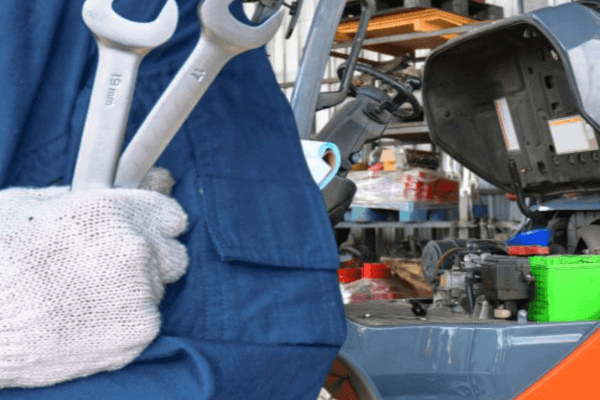
When repair expenses keep rising, the forklift may be doing more harm than good. Older models need frequent servicing and create unplanned downtime. Over time, maintenance costs outweigh the machine's value. Regular upkeep reflects the importance of proper maintenance, which directly affects performance and safety standards.
Replacing older units with a reconditioned forklift or warehouse reach truck lowers repair expenses and increases reliability. Operators gain smoother performance, greater confidence, and fewer interruptions.
Poor Performance or Safety Concerns
A forklift that struggles with lifting, steering, or braking safely becomes a risk. Decreased responsiveness or instability slows work and threatens safety.
Modern electric reach trucks provide sharper control, better visibility, and smoother handling. Their design supports consistent performance in confined warehouse spaces.
Outdated Features and Inefficiency
Outdated forklifts lack energy-efficient systems and ergonomic improvements found in newer material handling equipment. Features such as regenerative braking and improved operator controls enhance comfort and productivity.
Switching to an electric reach truck delivers energy savings and modern performance that reduces long-term costs.
Step 2: Evaluate Your Fleet and Warehouse Layout
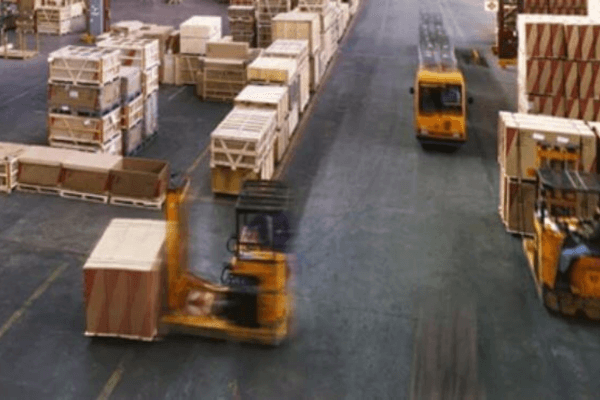
Fleet upgrades should align with your forklift fleet management plan and warehouse design. Understanding how each machine serves your space helps identify where a warehouse reach truck could improve workflow.
Audit Your Fleet Utilization
Review usage patterns for each forklift. Machines sitting idle take up space and drain resources. Identifying low-use units highlights where consolidation or replacement makes sense.
Replacing an underused forklift with a reach truck boosts productivity in high-density storage areas without requiring extra floor space.
Check Aisle Widths and Storage Density
A reach truck vs forklift decision often depends on aisle size and storage arrangement.
- Narrow Aisle Efficiency: Reach trucks work best in aisles between 8 and 9 feet wide. They maneuver easily in compact areas and lift high into racks, ideal for vertical storage.
- Outdoor and Mixed-Use Flexibility: Standard forklifts need 10 to 12 feet of space and perform well in outdoor or hybrid areas. Their sturdy design handles uneven floors and heavier loads.
When floor space is limited, switching to warehouse reach trucks helps create additional storage capacity and smoother pallet flow.
Assess Floor Conditions and Rack Systems
The condition of your floors influences what material handling equipment performs best. Smooth indoor floors favor electric reach trucks, which rely on stable traction for accuracy.
For uneven or outdoor surfaces, traditional forklifts maintain better grip and strength. A mixed setup using both machine types often provides the most versatility.
Step 3: Understand the Key Differences: Reach Truck vs Forklift
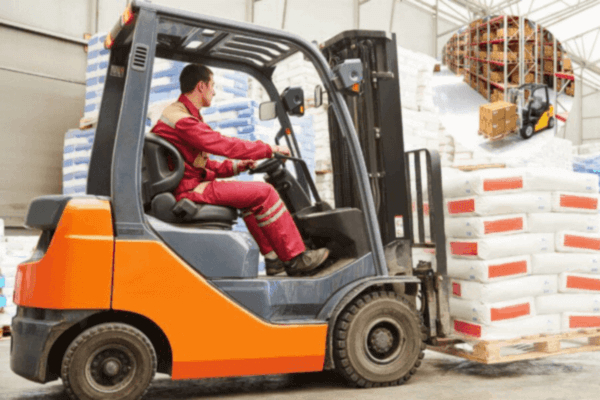
Comparing reach trucks and forklifts reveals distinct strengths. Each contributes differently to material movement, load handling, and energy use.
Design and Maneuverability
A reach truck uses a compact frame and an extendable mast to reach into racks. Its tight turning radius and smooth handling make it perfect for narrow aisles.
Forklifts are built for adaptability and strength at ground level. Their solid tires and durable structure allow work in varied environments, from warehouse floors to outdoor yards.
Load and Lift Capabilities
When comparing reach truck vs forklift, load weight and lift height are key. Reach trucks handle lighter loads between 2,000 and 5,000 pounds but reach higher than 30 feet, making them ideal for pallet stacking.
Forklifts excel at moving heavier items over short distances. Understanding forklift capacity helps determine which model fits your lifting needs safely and efficiently. Capable of handling over 10,000 pounds, they remain the preferred choice for bulk lifting.
Energy and Maintenance
Electric reach trucks produce no emissions and operate quietly, a benefit for indoor warehouses. They need less maintenance and reduce energy costs.
Forklifts powered by gas or diesel maintain continuous power but require higher maintenance spending. A balanced combination of both offers strength and sustainability.
Step 4: Ask the Right Questions Before Replacing a Forklift
Switching to a reach truck involves strategic thinking. These questions help guide your forklift fleet management decisions.
What Are Your Primary Tasks?
Different environments demand specific tools:
- Indoor Efficiency: Regular pallet stacking, order picking, and vertical storage work best with a reach truck. Compact maneuvering improves productivity in tight aisles.
- Outdoor Strength: Heavy lifting, yard work, and outdoor loading rely on a forklift. The vehicle's strong frame and stability make it reliable for rougher terrain.
Facilities focused on indoor operations often see major benefits from adopting a warehouse reach truck.
What Is Your Aisle and Storage Design?
Measure aisle widths and rack heights. A reach truck needs roughly 8 to 9 feet of clearance, while a forklift requires up to 12 feet. The difference can add 15 to 20 percent more usable storage capacity.
What Are the Load Requirements?
Consider typical load weight and height. A reach truck fits best for lighter items and tall racks, while a forklift handles heavier materials efficiently.
Can Operators Adapt Easily?
Operating a reach truck requires training, but most operators find the learning curve short. The stand-up position and wide visibility enhance precision for pallet stacking and retrieval.
What Is the Average Cost of a Reach Truck?
A new reach truck ranges between $25,000 and $45,000, depending on features. Reconditioned versions often cost $15,000 to $25,000, providing a cost-effective upgrade.
Although initial pricing varies, electric reach trucks often repay their cost over time through reduced energy use and minimal maintenance.
What Is the Total Cost of Ownership?
Factor in purchase price, energy costs, training, and downtime. A reconditioned electric reach truck can pay for itself within a few years through fuel savings and increased uptime. Faster pallet handling and reduced maintenance also improve overall profit margins.
Step 5: Safe and Efficient Operation Matters
The right material handling equipment improves both workflow and safety. Balanced use of forklifts and warehouse reach trucks maintains a well-organized, secure environment.
Following Distance in Fleet Operations
Keeping a distance between moving vehicles prevents collisions. Maintain at least three truck lengths or enough space for a full stop. This practice is vital when new reach trucks join an existing fleet.
Encourage clear communication and visibility across shifts. Regular training strengthens confidence and safety awareness.
Operator Ergonomics and Fatigue
Operator comfort plays a big role in performance. Reach trucks feature upright operation and broad visibility, reducing fatigue and increasing accuracy.
Seated forklifts work best for longer outdoor shifts, offering stability and comfort. A varied forklift fleet management plan helps keep operators productive throughout the day.
Step 6: Explore Trade-In and Upgrade Opportunities
Fleet renewal can start with a simple trade-in. Many operations replace older forklifts with reconditioned reach trucks that offer better performance and reliability.
Trade-In Benefits
Exchanging a used forklift can lower the cost of acquiring a reach truck or electric reach truck. Dealers often provide trade-in credits and nationwide delivery support, making upgrades more accessible.
Trade-ins simplify the removal of outdated units. Many businesses choose to retire or trade in their forklift to upgrade operations while minimizing replacement costs. Refurbishing or recycling older machines supports responsible forklift fleet management and keeps equipment up to date.
Reconditioned Equipment Advantages
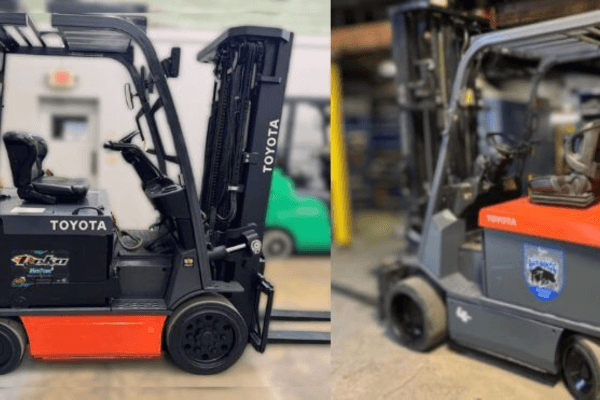
A reconditioned forklift or warehouse reach truck delivers value at a reduced price. Each one undergoes inspection, repair, and testing to meet quality standards, often with warranty coverage.
Reconditioned equipment helps smaller businesses access dependable material handling equipment without heavy financial strain.
Value Forklifts: Your Partner in Affordable, Reliable Used Equipment
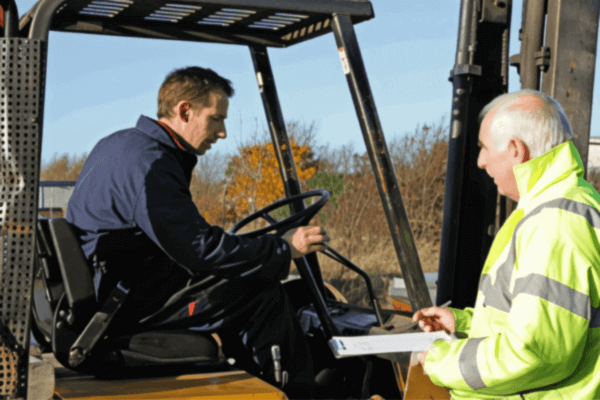
For over 30 years, Value Forklifts has supported U.S. businesses with dependable forklifts and reach trucks that combine performance with affordability. The goal is to help managers move goods efficiently while keeping costs under control.
Our Expertise and Experience
With deep experience in material handling equipment, we help each client choose the right forklift or reach truck for their specific operation. Since 1998, we have focused on making equipment purchases simple and transparent.
Our Offerings: Used Forklifts, New Quality
We supply trusted brands such as Hyster, Yale, Cat, and Toyota. Each machine is reconditioned, serviced, and ready to work. Our inventory includes:
- Propane and Electric Reach Trucks: Suitable for indoor use where clean power and quiet operation are essential. They deliver steady lifting performance for moving pallets efficiently.
- Stand-Up and Sit-Down Forklifts: Offer versatility for various operator needs. Stand-up versions are perfect for tight aisles, while sit-down models provide comfort during longer shifts.
- Narrow Aisle and Very Narrow Aisle Reach Trucks: Built for high-density storage environments. They optimize vertical space and enhance mobility in compact layouts.
Each machine receives fresh paint, new components when needed, and a complete performance inspection.
Nationwide Availability and Trusted Service
With over 200 units available and fast nationwide shipping, Value Forklifts supplies warranty-backed machines that keep operations running smoothly. The focus is on extending equipment life, increasing uptime, and supporting reliable forklift fleet management.
Conclusion
Replacing a forklift with a reach truck can reshape warehouse performance. Evaluating layout, lifting needs, and equipment use leads to smarter decisions that reduce costs and raise output.
Whether you seek a warehouse reach truck, electric reach truck, or reconditioned forklift, success depends on balancing dependability, safety, and value.
Ready to make the change? Contact Value Forklifts today to find the reach truck or forklift that best supports your goals.