
The Real Impact of Poor Tire/ Brake Maintenance on Warehouse Safety and Productivity
It's 7:45 AM on a Tuesday. The warehouse floor is alive with work: forklifts moving through the narrow aisles, stacking pallets, and loading trucks for deliveries that day. Then comes a forklift operator, who turns a corner, brakes to avoid a pedestrian, and the machine does not come to a halt in time. The load shifts. Product crashes to the floor. Luckily, no one was injured in the incident, yet the close call makes the facility shiver.
This situation is more common in warehouses across the country than it needs to be. Maintenance of forklift tire and brake maintainence is not a mechanical problem alone, but a safety risk that can sabotage productivity, inflate costs, and endanger lives. We are going to look at the importance of these components and what will occur when they are not taken into consideration.
Why Forklift Tires and Brakes Matter More Than You Think
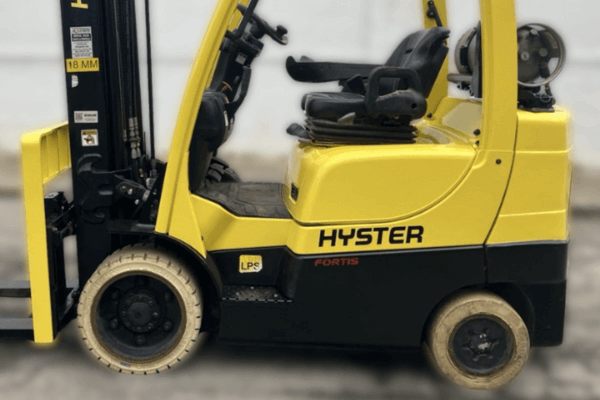
When you consider forklift safety, you may imagine operator training or the capacity of the loads. However, the basis of safe forklift operation literally lies in two important parts of the forklift: tires and brakes. These components combine to regulate stability, stopping distance, as well as load handling in a manner that directly influences all the tasks your forklift undertakes.
Not only is smooth rolling affected by forklift tire maintenance, but so is the forklift's overall performance. Tires provide the grip needed for turns, the stability to support heavy loads, and the shock-absorbing capability that cushions the machine and the goods. You may have cushion tires on smooth warehouse floors or pneumatic tires in outdoor yards; either way, a lost tread or an underinflated tire ruins all these functions.
Equally, the forklift brake maintenance will dictate that your operators will be able to stop safely when they require it. The brake systems are used to regulate deceleration, prevent load shift at stops, and allow for accurate loading and stacking. Loss of brake components increases response times and reduces control, a very dangerous mix in a busy warehouse.
The difference between “it still moves” and “it is safe to operate” is a giant gap, which many warehouse managers do not cover. A forklift truck having old tires and poor brakes may technically perform, but it is working on borrowed time. It is not whether something will go wrong, but when.
The Impact of Poor Tire and Brake Maintenance
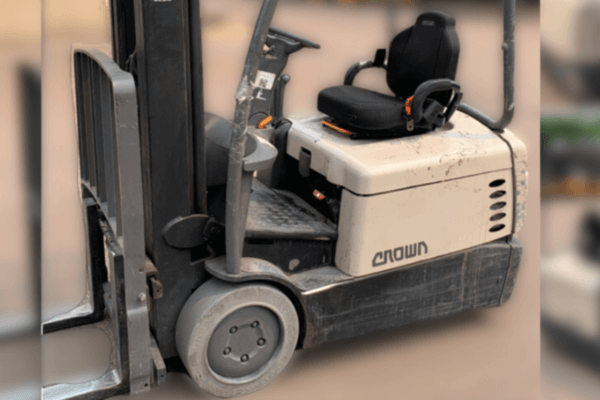
The effects of not following the forklift safety tires and brakes go way beyond the maintenance bay. They spread across your entire operation, affecting safety, productivity, and your bottom line.
➨ Safety Impacts
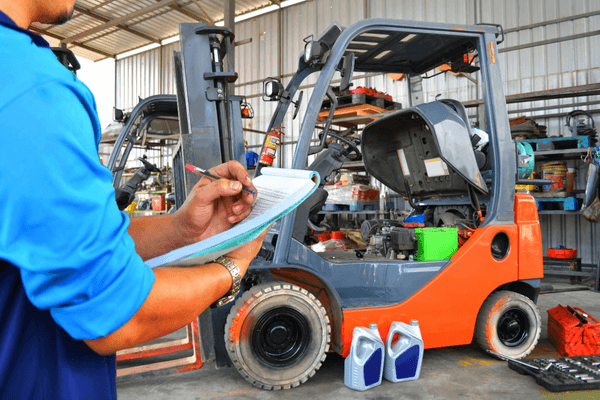
➣ Increased Accident Risk
The combination of tires that are worn tires and brakes that are failing brakes is a disaster. Once tires have lost their tread, they are not able to contract the floor surface efficiently, and hence, on smooth concrete or where spills may take place. This makes it easier to lose control or go through skids and slides on the turns. Likewise, worn-out brake pads increase stopping distances, making it hard for operators to respond promptly to obstructions, pedestrians, or other objects.
The OSHA data indicates that accidents of forklifts kill about 85 people and injure 34,900 people every year. Although not every one of these accidents can be attributed to tire or brake failure, inadequate maintenance of these important parts is a major reason that can be averted at all costs.
➣ Reduced Vehicle Control
Forklift operators rely on the accuracy of control to move through narrow areas, place loads in the right place, and be stable on the ramp or rough terrain. Forklift handling is unpredictable when tires are not inflated properly or are worn unevenly. It could be that one side of the machine holds better than the other, causing it to pull or drift off course.
Brake issues compound this problem. When the brakes of one side of the forklift react more strongly than the other, the forklift may turn when it stops. When brakes have been merely crossed on a board, operators have to buffer the loss by braking earlier and more slowly, which is not always feasible in the hectic warehouse settings where circumstances are very quickly altered.
➣ Workplace Injuries and Fatalities
The worst effect of inadequate forklift tire and brake maintenance is that it may result in the severity of injuries or even death. In a situation where a forklift is unable to halt in time or lacks traction when loaded with an item, the consequences can be disastrous. Whenever equipment is not maintained to safe operating standards, operators, pedestrians, and other workers are all at risk.
These incidents cause trauma beyond the human cost that will come down to workplace morale, trust management, and your facility's safety culture.
➣ Regulatory Penalties
OSHA mandates that employers ensure forklifts are in good working condition. Namely, the Industrial Truck Standard of OSHA 1910.178 requires inspection of the vehicles before putting them into service and ensures that any defects that could compromise the vehicle's safety are repaired prior to the vehicle being put back into service.
In case of an accident, where investigators find that worn-out tires or faulty brakes have been involved, you would have to pay huge fines, legal liability, and higher workers' compensation bills to your company. The penalties specified by the regulations can amount to tens of thousands of dollars on their own, not to mention the bad publicity and criminal case in instances of gross negligence.
➨ Productivity Impacts
➣ Operational Downtime
When a forklift breaks down due to tire or braking problems, it doesn’t pose a safety issue; it halts work. Losing a forklift, even temporarily, depending on how you operate, will cause bottlenecks that will spill into your whole working process. Orders are held, trucks are held in loading docks, and workers are idle as they scramble to seek other equipment.
Unscheduled maintenance is more costly and time-consuming than scheduled maintenance as well. You will pay high rates in case you require parts in a hurry, or you require outside technicians who are to be brought in at short notice. In the meantime, the variable costs of downtime keep on increasing.
➣ Increased Maintenance Costs
Failure to perform forklift brake and tire maintenance is not cost-saving; in the long term, it is more expensive. Unevenly inflated tires, caused by either incorrectly inflated tires or poor alignment, will force you to change your tires more frequently. Once the brake pads reach metal-to-metal contact, they damage rotors and drums that would have lasted longer with proper maintenance.
This reactive approach to maintenance is consistently more expensive than preventive care. You're not just paying for parts and labor; you're paying for emergency service calls, expedited shipping, and the cascading costs of equipment failure.
➣ Inefficient Operations
Poorly maintained tires and brakes lower the efficiency of operation even at the onset of failure. There is a natural slowing of operators who do not trust their equipment. They take wider turns, brake earlier, and move more cautiously—all of which reduces productivity. While safety-conscious operation is essential, it shouldn't be necessary because equipment is unreliable.
➣ Insurance Implications
When premiums and coverage are set by insurance carriers, they consider the risk profile of your warehouse operation. Poor maintenance record may lead to increased insurance costs, reduced coverage, or even loss of insurance. In extreme situations, insurers can deny coverage when maintenance is known to be deficient, leaving our company completely vulnerable to liability.
How to Solve This Impact
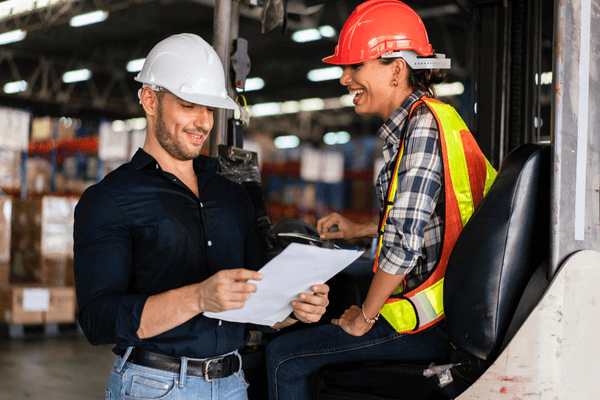
The positive side is that the issues brought about by bad forklift tire maintenance and brake negligence can be completely avoided. With a regular maintenance regimen, you are able to secure your employees, streamline production, and cut down on the expenses in the long run.
➣ Establish Regular Maintenance Schedules
Develop a detailed maintenance routine depending on the recommendations of manufacturers, the usage process, and the circumstances of work. This should include tire checks, tread length checks, pressure checks, brake system checks, and replacement of parts.
Waiting until things are evident. Plate planned maintenance activities at a time when the business is doing less work. History of equipment maintenance of each piece of equipment to be aware of the trends and when parts will require maintenance.
➣ Conduct Pre-Shift Inspections
Short but intensive inspections should be conducted by the operators before each shift. This involves inspecting the tires and pressure, inspecting the responsiveness of the brakes, and any unusual sounds, vibrations, or handling behavior. These checks are conducted daily and identify emerging problems before they grow into serious ones.
Ensure that it is not hard to have operators to report their concerns without fearing reprimand or postponing the matter. Once one realizes that there is a possible issue, act on it and research it immediately. This forms a culture of accountability between safety and maintenance for everyone.
➣ Provide Comprehensive Training
Make sure that operators are aware of the influence of tire and brake conditions on the performance and safety of forklifts. They are supposed to be familiar with what they need to check when there is an inspection of equipment, what to notice when the equipment has warning signs, and when the equipment is out of service.
➣ Utilize Quality Tires and Brakes
Replacement parts are not all equal. Although cheaper alternatives may be appealing in the short run, better tires, brakes, and other parts perform better and have higher safety margins. Engage suppliers with good standing in the industry and knowledge in application to industry, and advise on the correct choices of products to use in your particular equipment and operating environment.
This is the point at which the collaboration with an experienced provider is important. Value Forklifts is one of the companies that sell industrial tires, parts, and batteries that are able to handle the hard demanding needs of the warehouse work; therefore, you can be assured of parts that will perform reliably.
➣ Follow Manufacturer Guidelines
Every forklift manufacturer provides specific maintenance recommendations for their equipment. These guidelines are based on engineering analysis and field experience; follow them. Don't extend service intervals beyond recommended limits, and don't substitute unapproved parts or fluids.
In case of uncertainty, consult professionals who know the specific needs of your equipment. Necessary maintenance as specified by your manufacturer is a guarantee of protecting your investment as well as warranty coverage.
How Value Forklifts Supports Safe, Productive Operations

At Value Forklifts, we realize that forklift safety tires and brakes are those that are essential in the operations of a warehouse. This is why we do not just sell equipment; we offer complete solutions that help create safe, productive facilities.
When you purchase a used forklift from Value Forklifts, you're getting equipment that's already been thoroughly serviced. We recondition each machine with attention to critical safety components, including tires and brakes. Our forklifts are delivered ready to work, with good or new rubber and brake systems that meet or exceed safety standards. In addition, we offer a 12-month warranty on our equipment, the longest warranty in the business, since we are confident in the quality of what we do.
With over 30 years of industry experience and more than 400 satisfied customers nationwide, Value Forklifts provides expert guidance on selecting the right equipment and maintaining it properly. We offer nationwide shipping and support, so whether you're in Cleveland or California, we can help you build and maintain a safe, productive forklift fleet.
Take Action to Protect Your Operation
The risk that poor forklift tire and brake maintenance poses cannot be afforded by any warehouse. Equipment that is maintained to correct standards is the key to the safety of your workers, the productivity of your operation, and the financial health of your business.
Waiting until you are close to an accident or have experienced one is time wasted. Review your existing maintenance processes, spot weak points, and provide systematic enhancements. Your operators will operate without fear, your equipment will last longer, and your operation will run more efficiently.
If you're in the market for reliable used forklifts that are already serviced and ready to work, or if you need quality tires, parts, and batteries to maintain your existing fleet, contact Value Forklifts today. Our team is prepared to help you build a safer, more productive warehouse operation.
FAQs: Forklift Tire and Brake Maintenance
Q. How often should I replace forklift tires?
- The time required to replace tires varies with several factors, such as tire type, operating conditions, and use intensity. Cushion tires have an average lifespan of about 2,000-4,000 operating hours, and pneumatic tires typically have a lifespan of 2,000-3,000 operating hours, on average. Nevertheless, you are advised to check the tires regularly and replace them when the tread depth is below the manufacturer's minimum, when the tread is worn or ripped, or when the tires begin to wear unevenly. Time and hours are not the only things to rely on; visual astute and performance are more effective.
Q. What are the most common brake issues on forklifts?
- Worn brake pads or shoes, contaminated brake fluid, air in hydraulic brake lines, damaged rotors or drums, and inappropriately adjusted brake mechanisms are the most frequent brake issues. Red flags include increased stopping distance, abnormal sounds during braking (squealing or grinding), shaking during braking, and a braking pedal that is either too soft or requires more force. All these symptoms should be inspected by qualified technicians urgently.