
How Winter Temps Reduce Forklift Battery Capacity, Tire Grip, and Uptime (and What to Do About It)
If you run equipment in Ohio, you already know winter is not just “a little colder.” When temperatures drop below 32°F (0°C), everyday tasks like starting a truck, getting traction on a dock plate, or finishing a full shift on one charge can turn into frustrating slowdowns. In the worst cold snaps (single digits and below), the same fleet that feels “fine” in October can suddenly feel underpowered, slippery, and unpredictable.
At Value Forklifts, we talk with crews every season who are trying to protect winter forklift performance while keeping safety and productivity on track. The good news is you don’t need magic equipment. You need the right winter habits, the right fluids, and a smart plan for batteries and tires.
Below is a practical, shop-floor guide to what cold weather does to forklifts and how to reduce downtime without overcomplicating your day.
Why cold weather hits forklifts so hard
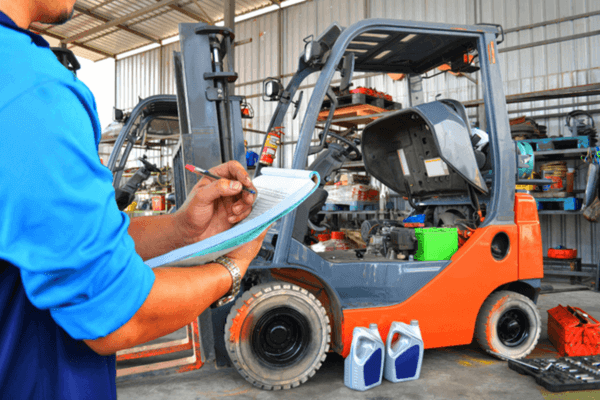
Forklifts are a mix of electrical, mechanical, and hydraulic systems that all react to temperature. Cold air:
- slows battery chemistry and reduces available power
- thickens oils and hydraulic fluids
- lowers tire pressure and stiffens rubber
- makes ice, snow, and slush a traction problem, not just an inconvenience
Stack those together and you get the same results most operators report every winter: shorter run time, slower lift and steer response, and more “out of service” moments that kill the schedule and chip away at winter forklift performance.
1) Battery capacity drops first (and it shows up fast).
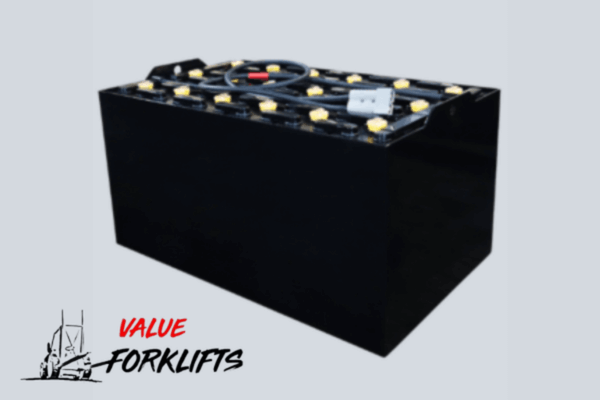
For electric trucks, the battery is usually the first pain point. In cold weather, the chemical reaction inside lead-acid batteries slows down. That means less usable energy and a noticeable voltage drop under load.
What it looks like in real life:
- The truck feels strong at the start, then “falls off” earlier than expected.
- Lift speed and travel feel weaker near the end of the shift.
- Charging takes longer, especially if the battery starts out cold.
- Operators swap batteries more often, which adds labor and interruption.
In freezing conditions, it’s common for forklift battery capacity to drop significantly, and in harsh cold, it can feel like you lost half a shift. That reduction is one of the biggest drivers of winter downtime and a major factor behind poor winter forklift performance.
Battery maintenance that actually helps in winter
Keep it simple and consistent:
Keep batteries fully charged.
A partially charged battery is more vulnerable to freezing damage and performance loss. Staying topped up protects runtime and reduces stress on the battery.
Store batteries in a warm, enclosed area.
If the battery is cold-soaked, you start the day behind. Warm storage improves starting voltage, charging efficiency, and overall winter forklift performance.
Keep charging areas dry and temperature controlled.
Condensation plus corrosion is a real winter combo. Clean terminals and check connectors regularly.
Use thermal covers or approved warming solutions.
If you operate in unheated spaces or cold storage, insulation and warming practices can help stabilize forklift battery capacity and reduce mid-shift surprises.
If you’re running older trucks, it may also be worth evaluating a forklift batterusedy as a cost-friendly way to stabilize runtime for the season, as long as it’s tested and properly matched to the truck and duty cycle.
2) Traction problems are usually tire problems (plus the surface).
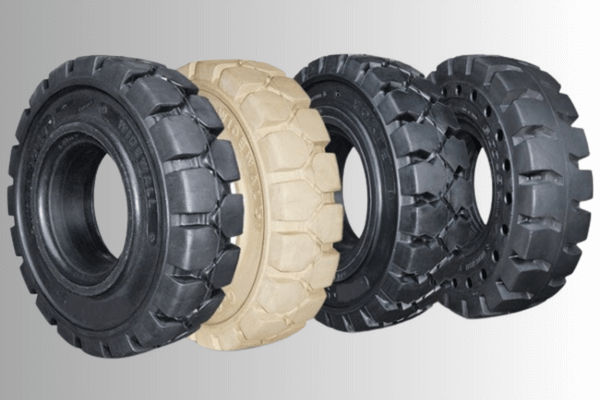
Cold changes rubber. Tires stiffen. Pressure drops. Tread that was “fine” on dry concrete suddenly feels sketchy on wet dock approaches, salted lots, or icy doorways. Add slush that refreezes overnight, and you have a real safety risk.
This is where forklift tires quietly make or break your winter.
What to check weekly (and often daily in active winter)
Tire pressure
Cold air reduces pressure. Low pressure changes handling and contact patch and can increase the chance of slips.
Tread depth and wear pattern
Worn tread sheds water and slush poorly, which reduces grip when it matters most.
Compound and application
If you regularly work outdoors, on mixed surfaces, or through snow and melt, consider forklift winter tires designed for cold and wet traction.
When it’s time to stop “pushing it” and replace
There’s a difference between “we can finish the week” and “we are one slide away from a problem.” Winter is not the season to gamble. If traction is inconsistent, plan forklift tire replacement before the next storm cycle, not after an incident.
Upgrading forklift tires is one of the fastest ways to improve winter forklift performance because traction affects everything: stopping distance, load control, and operator confidence.
3) Hydraulics and fluids get sluggish, and uptime suffers.
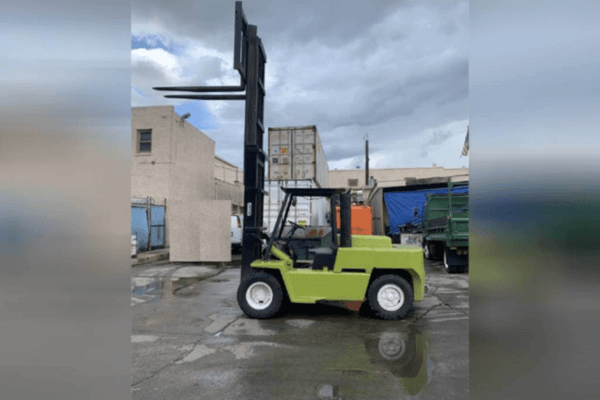
Even when the truck starts and drives, cold fluids can slow the entire machine down. Hydraulic response gets lazy. Steering feels heavier. Lift and tilt movements can become jerky. On internal combustion trucks, engine oil thickening and cold starts also add strain.
If your trucks feel “slow” but nothing is technically broken, winter viscosity is often the reason.
What helps
Switch to winter-grade hydraulic fluids and oils (as recommended by the manufacturer).
Lower-viscosity, winter-rated fluids flow better in low temperatures and protect components during warm-up.
Warm-up time is not wasted time.
Allow a few minutes for the system to come up to operating temperature before demanding full lift cycles. This protects pumps, seals, and valves, and it supports steady winter forklift performance.
Check coolant and antifreeze protection on IC trucks.
Make sure freeze protection matches your local cold extremes, especially for outdoor staging and overnight parking.
4) A practical winter checklist to protect uptime
Here’s a straightforward routine that helps most Ohio operations stay productive even when winter is doing its thing.
Daily
- Confirm batteries are fully charged and stored warm when possible.
- quick visual check for moisture, corrosion, or damaged connectors
- Verify tire pressure and scan tread for chunking or bald spots.
- Inspect travel paths for ice, slush ridges, and refreeze zones.
Weekly
- Clean battery tops and terminals to reduce corrosion and tracking.
- review watering and charging practices (especially on lead-acid)
- Assess whether forklift tire replacement is coming up based on wear and traction complaints.
- Verify fluids are winter-appropriate and document any sluggish hydraulic response.
This kind of consistency improves winter forklift performance more than almost any “one-time fix,” because most winter failures are preventable trends, not random surprises.
5) Don’t overlook training and operating habits in snow.
Even with the right maintenance, winter driving needs winter habits. A few operator reminders can prevent the most common cold-weather incidents:
- slow down sooner than you think you need to
- Brake earlier and avoid sudden steering inputs on slick surfaces.
- Keep loads low and stable while traveling.
- Avoid sharp turns on icy thresholds and dock edges.
- Report traction changes immediately so the surface can be treated.
The goal is simple: stable handling plus predictable stopping. Good habits protect people, products, and winter forklift performance.
Conclusion:
Ohio winters are tough, but they’re predictable. If you want reliable winter forklift performance, focus on the big three: keep batteries warm and fully charged, keep traction strong with the right tires and timely forklift tire replacement, and protect hydraulics with winter-grade fluids plus warm-up time.
If you’re heading into the season with weak runtime, questionable traction, or a fleet that’s simply aging out, value-focused upgrades can make a big difference. At Value Forklifts, we can help you source the right fit, whether you’re looking for a dependable truck, a tested used forklift battery, or support planning your next forklift tire replacement so winter doesn’t pick the timing for you.
FAQ
Can forklift batteries freeze?
- Yes. A lead-acid battery that is discharged or partially charged is more likely to freeze in very cold conditions. Keeping batteries fully charged and stored in a warmer area reduces freeze risk and helps protect forklift battery capacity.
How do weather conditions affect forklift use?
- Cold weather reduces battery output, thickens hydraulic fluids, lowers tire pressure, stiffens rubber, and increases the chance of operating on slick surfaces. The combined effect is reduced traction, slower response, and more downtime that hurts winter forklift performance.
How cold is too cold for a battery?
- Performance losses can start around freezing temperatures and become more noticeable as temperatures drop further. The colder it gets, the more forklift battery capacity and charging efficiency decline. If you operate in unheated areas or frequent outdoor conditions, warm storage and winter-ready charging practices become essential.
How to drive a forklift in snow?
- Drive slower than normal, brake early, avoid abrupt turns, keep the load low, and assume slippery patches exist near doorways, docks, and shaded areas. Make sure forklift tires are in good condition, and consider forklift winter tires if outdoor snow exposure is routine.