
Used Forklift Dealer Checklist: Questions to Ask Before You Buy
Buying a forklift is not just about finding the right price. It is about choosing a machine that can handle your daily workload, fit your space, and keep your warehouse moving without surprise repair costs. That is where it's crucial to have the correct used forklift dealer. A reputable dealer should be able to educate you about the equipment's history, condition, warranty, available support, and whether the forklift is really the right lift for your operation.
Before you buy a used forklift, you need to ask the right questions. The answers can tell you whether the machine is a smart investment or a future maintenance problem. From checking service records to reviewing forklift load capacity, every detail matters. This checklist will help you know what to ask a used forklift dealer before making a final decision.
Why Choosing the Right Used Forklift Dealer Matters
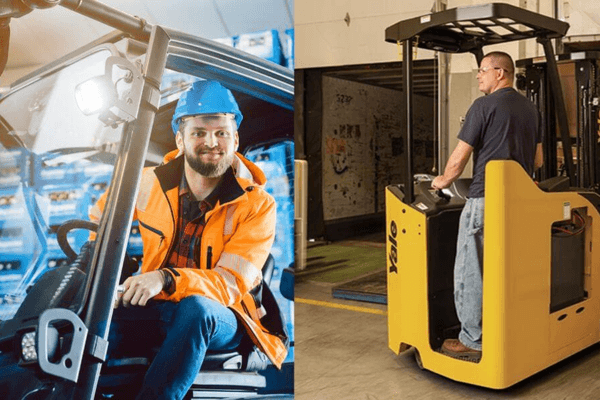
A good used forklift dealer is not only a seller of equipment, but they are also a dealer that provides you with service. They assist you to ensure the correct forklift is applied to your warehouse, loading requirements, floor conditions, and budget. The right dealer should be able to give a concise and straightforward explanation of the past use of the machine, its current condition, and its expected performance.
At Value Forklifts, buyers can browse different types of forklifts, batteries, chargers, tires, forks, and attachments, which makes it easier to find a setup that fits the job.
Ask About Dealer Experience
Before you choose a used forklift dealer, ask how long they have worked with material handling equipment. There is no single answer to the question of what is the best forklift, so experience is a key factor. An informed dealer can save you the expense of a too-big, too-weak, or too-misaligned forklift, since they know the ins and outs of warehouse operation.
You can ask:
- How long have you been selling used forklifts?
- Do you carry major brands like Toyota, Hyster, Yale, Cat, Crown, or similar models?
- Can you help me compare electric, propane, cushion tire, pneumatic tire, and narrow aisle models?
Ask If the Dealer Services the Equipment
A reliable used forklift dealer should understand the machines they sell. Ask whether the forklift has been serviced, repaired, tested, or reconditioned before listing. This is important because a clean-looking machine can still have mechanical problems if it has not been properly inspected.
Also, ask if the dealer can support you after purchase. If a problem appears later, you want to know whether help is available.
Ask About Available Inventory
A dealer with a wide inventory can help you compare more than one used forklift. This is helpful if you are still deciding between electric, propane, indoor, outdoor, sit-down, stand-up, or reach truck options.
The best choice depends on your daily use, load weight, aisle size, surface type, and charging or fueling setup.
Questions About Forklift History and Documentation
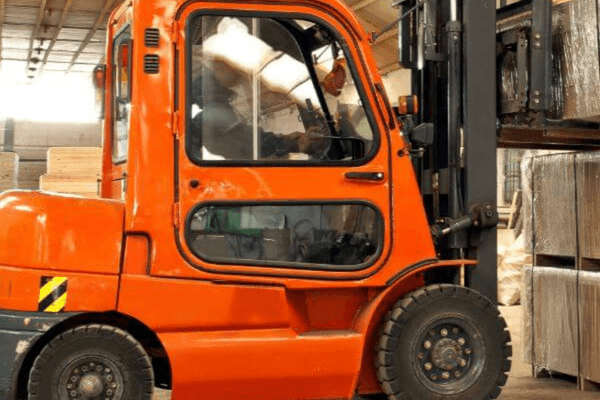
Before buying from a used forklift dealer, always ask for the machine’s history. Documentation can reveal how the forklift was used, how often it was serviced, and whether it had major repairs. A forklift may look clean, but records tell a deeper story.
A proper paper trail can also protect your business. It helps you verify the model, serial number, service history, ownership details, and whether the forklift matches the dealer’s listing.
Ask for Maintenance Records
Maintenance history is one of the first things to review. A well-maintained used forklift is more likely to perform consistently and avoid unexpected downtime.
Ask for records showing:
- Oil changes and fluid service
- Hydraulic service
- Brake repairs
- Tire replacement
- Mast or chain service
- Major engine or transmission work
If the dealer cannot provide a clear history, ask what inspection or reconditioning was completed before the sale.
Verify Model and Serial Numbers
Ask the used forklift dealer to show you the model and serial numbers on the data plate and chassis. These numbers should match the paperwork. This step helps confirm that the forklift is being represented correctly.
The data plate also gives important information such as rated forklift load capacity, attachment details, and lift height. Never ignore this plate because it tells you what the forklift is designed to safely handle.
Questions to Ask During a Forklift Inspection
A proper forklift inspection is one of the most important steps before buying. You should never rely only on photos or a short product description. A physical or video-based forklift inspection can help you identify wear, leaks, damage, and safety concerns.
If you cannot inspect the forklift in person, ask the used forklift dealer for detailed photos, videos, condition notes, and a walkaround explanation.
Check Mast, Chains, and Forks
The mast carries the load, so it must be in strong condition. During the forklift inspection, look for cracks, bends, weld repairs, twisted channels, or uneven movement. The mast should raise and lower smoothly without shaking or unusual noises.
Also, inspect the forks. Fork heel wear can reduce strength and safety.
Check Tires and Brakes
Safety, grip, and comfort for the operator are all impacted by tires. The condition of the tires, chunking, flat spots, cracks, and tread wear are all important items to check when inspecting a load-moving forklift. Do you have cushion tires or pneumatic tires? They wear differently, so ask the dealer what tire type would work best for you.
Brakes should respond smoothly. If the forklift pulls to one side, makes grinding sounds, or needs extra distance to stop, the brakes may need service.
Check for Leaks and Unusual Sounds
Run the forklift and look under the machine for oil, coolant, transmission, or hydraulic leaks. Leaks can lead to repair costs and safety issues.
During the forklift inspection, listen for knocking, grinding, whining, or rough idle sounds. These may point to engine, hydraulic, or transmission problems.
Questions About Forklift Battery, Power, and Performance
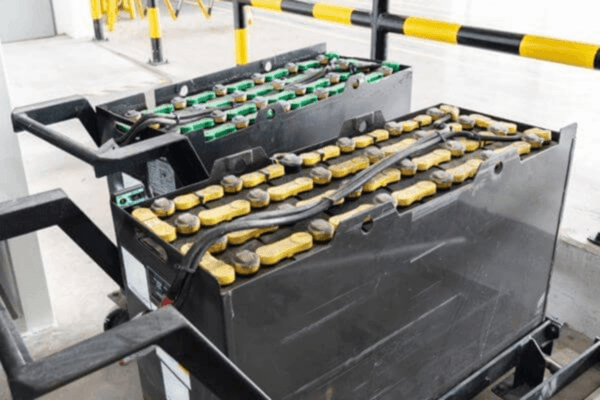
If you are buying an electric model, the forklift battery is one of the most important and expensive components to check. A weak battery can reduce runtime and increase replacement costs. If you are buying propane or diesel, you still need to review the engine, fuel system, and overall performance.
A trustworthy used forklift dealer should explain the forklift’s power source and help you understand what it means for your daily operation.
Ask About Forklift Battery Age
For electric units, ask about the age and condition of the forklift battery. Battery age, charging habits, and maintenance history can affect performance. A battery that looks fine from the outside may still have reduced capacity.
Ask:
- How old is the battery?
- Has it been tested?
- How long does it hold a charge?
- Is a charger included?
- Are watering and maintenance records available?
Ask About Charger Compatibility
The charger must match the forklift battery voltage and type. If you buy the wrong charger or do not have the right electrical setup, your forklift may not be ready to use when it arrives.
Ask the dealer whether the charger is included and whether your facility has the correct power requirements.
Questions About Forklift Load Capacity and Facility Fit
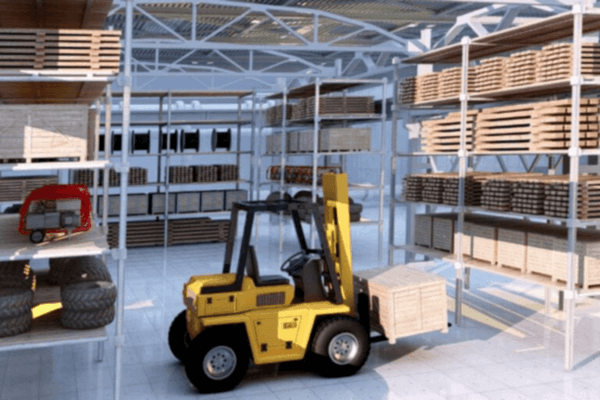
One of the biggest mistakes buyers make is choosing a forklift based only on price. The forklift must match your loads, rack height, aisle width, and floor conditions. If the forklift load capacity is too low, your team may face safety risks. If the forklift is too large, it may not move efficiently in your space.
Confirm the Required Forklift Load Capacity
First, find out which items are the heaviest that you need to carry around daily. Then check the forklift’s data plate to confirm the rated forklift load capacity. Keep in mind that capacity may vary with lift height, load center, attachments, and type of mast.
Do not guess. If your pallets are heavy or uneven, ask the dealer to help confirm the right capacity range.
Check Lift Height and Mast Type
Your forklift needs to be able to lift up high enough to reach your racks safely. Explain lowered height, raised height, free lift, and mast stages. It's important if your forklift needs to go through a low door or inside a trailer.
A forklift may have the right forklift load capacity, but if the mast does not match your racking system, it may not fit your operation.
Measure Aisles, Doors, and Turning Space
Before buying, measure your aisle width, dock area, door clearance, and turning radius needs. Share those measurements with the used forklift dealer. This will help avoid buying a forklift that is too wide, too tall, or too heavy for your facility.
Questions About Forklift Parts and Replacement Support
Even a well-maintained forklift will eventually need service. That is why forklift parts availability is important before you buy. If parts are difficult to find, a simple repair can turn into weeks of downtime.
Ask If Parts Are Easy to Source
Some brands have better parts support than others. Before buying, ask whether replacement forklift parts are commonly available in the U.S. This includes filters, tires, forks, chains, brakes, hydraulic hoses, batteries, chargers, and attachments.
Ask About Tires, Forks, and Attachments
Tires, forks, and attachments can add to your total cost. Ask whether these items are in good condition or need replacement soon. A lower-priced forklift may not be a better deal if it needs expensive forklift parts right away.
Value Forklifts offers forklifts along with related equipment such as batteries, chargers, tires, forks, and forklift attachments, which can make it easier for buyers to source what they need from one place.
Questions About Warranty, Delivery, and Final Purchase Terms
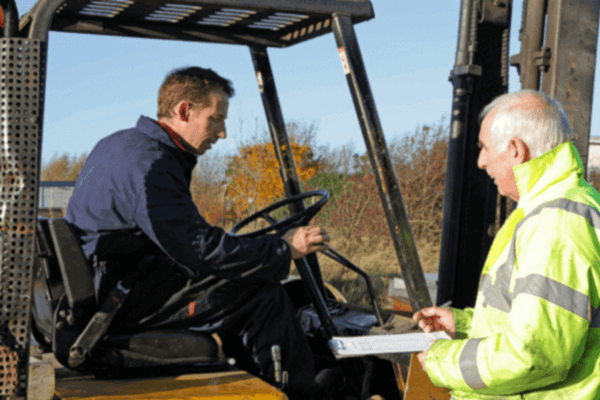
A professional used forklift dealer should be clear about pricing, payment, warranty, delivery, and any conditions attached to the sale.
Ask What the Warranty Covers
Ask whether the warranty covers powertrain, major components, labor, parts, or specific repairs. Also, ask how long the warranty lasts and what steps are required if you need service.
Do not assume every used forklift comes with the same coverage. Get the terms in writing before buying.
Ask About Shipping and Delivery
If the forklift is being shipped to your location, ask how delivery works. Confirm shipping cost, delivery timeline, unloading requirements, and whether the forklift will arrive ready to use.
For businesses buying from outside their local area, nationwide shipping can be a major benefit.
Ask for a Final Written Quote
Before purchasing from a used forklift dealer, ask for a complete quote. It should include forklift price, taxes, delivery, warranty terms, included charger or attachments, and any extra fees.
This avoids confusion and helps you compare offers fairly.
Conclusion
Buying from a used forklift dealer can be a smart investment when you know what to ask. Start with maintenance records, then review the results of a full forklift inspection, check forklift load capacity, confirm forklift battery health for electric models, and ask about future forklift parts support. These steps help you avoid hidden costs and choose equipment that fits your operation.
The right forklift should be safe, dependable, and matched to your daily workload. If you are looking for a quality used forklift with helpful dealer support, explore the available inventory at Value Forklifts. Contact us today to find the right forklift for your warehouse needs.
Frequently Asked Questions
What questions should I ask a used forklift dealer before buying?
Ask about maintenance history, service records, warranty, previous use, inspection results, parts availability, battery condition, and whether the forklift matches your warehouse needs. A reliable used forklift dealer should answer clearly and provide supporting details.
What should I check during a forklift inspection at a used forklift dealer?
During a forklift inspection, check the mast, forks, chains, tires, brakes, hydraulics, engine, transmission, steering, and safety features. For electric models, also review the forklift battery and charger.
How do I confirm the forklift load capacity matches my warehouse needs?
Check the data plate and compare the rated forklift load capacity with your heaviest loads, lift height, load center, and attachments. Also, make sure the forklift fits your aisles, doors, racks, and floor conditions.
Should I ask about forklift parts, forklift battery condition, and warranty before buying a used forklift?
Yes. Always ask about forklift parts, forklift battery condition, and warranty terms before buying. These details affect long-term cost, uptime, and whether the forklift will be dependable for daily work.