
How to Build a Used Forklift Fleet for E-Commerce and 3PL Warehouses
In e-commerce and 3PL warehouses, forklift downtime can slow receiving, replenishment, staging, packing, and outbound shipping in the same shift. That’s why a used forklift fleet should be planned around real warehouse movement, not buy one unit at a time because the price looks right.
The ideal forklift fleet for an e-commerce or 3PL warehouse typically consists of a mix of used reach trucks, used electric forklifts, electric sit-down forklifts, and electric pallet jacks, depending on the types of dock activities, aisle width, rack height, pallet weight, travel distance, and shift intensity. Used equipment can offer the flexibility in many operations to increase capacity without committing significant capital in one fell swoop.
Value Forklift helps warehouse teams match used material handling equipment to the way their facility actually works. You can browse available used forklifts for warehouse operations or speak with the team through the Value Forklift contact page when you’re ready to compare options.
Quick answer: What should a used forklift fleet include?
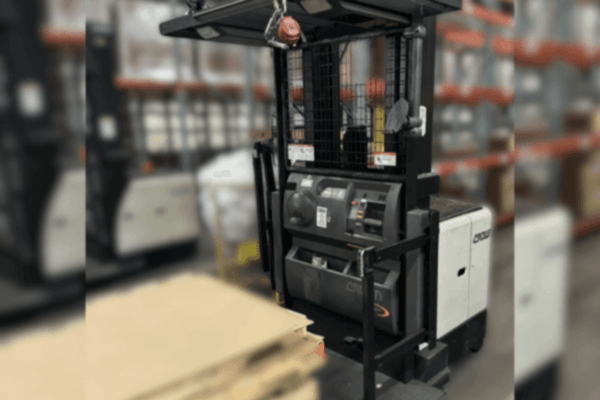
The right fleet for most e-commerce and 3PL warehouses is made up of three types of vehicles reach trucks for high racking, sit-down forklift trucks for the dock and pallets, and electric pallet jacks for quick short-distance transfer. Narrow aisle (stand-up) forklifts could also be a good fit where space efficiency is constrained.
If the business is dock-heavy, then multiple electric pallet jacks and fewer reach trucks might be required. If the height of the warehouse requires reach trucks rather than sit-down forklifts, more reach trucks may need to be added before another sit-down forklift is added. The real solution depends on what pallets are moving, how frequently they move, and the amount of vertical storage that is occupying the building.
Key Takeaway
A strong used forklift fleet matches equipment type to workflow: reach trucks for high racking, electric sit-down forklifts for dock work, and electric pallet jacks for fast staging and short-distance moves.
Why forklifts make sense for growing e-commerce and 3PL operations
When a company requires extra capacity in a hurry, wants to manage its budget, or requires extra equipment during busy periods, used forklifts can be a good match. When a 3PL's client base is also evolving, the decision to sign on to a whole new fleet isn't something a 3PL organization will necessarily want to make.
The equipment that is used is particularly important for secondary applications. A used electric forklift can be used as a dock machine. A used reach truck is suitable for reserve storage. Electric pallet jacks can help to minimize the need to move larger equipment in staging areas.
The warning is straightforward: Condition is a factor. If a truck is low-priced, has a poorly functioning battery, a worn mast, or a poor service history, it may cost more over the years than a better truck that was thoroughly inspected by a reputable dealer.
Start with the warehouse workflow before choosing equipment.
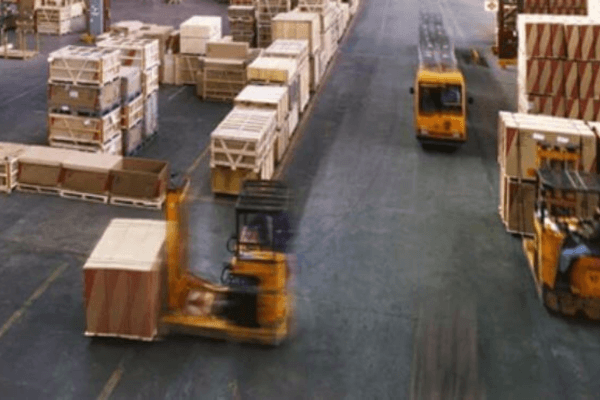
The forklift fleet should be planned based on movement areas. Identify receiving docks, inbound staging, a reserve storage area, pick faces, replenishment routes, packing areas, returns processing, cross-dock lanes, and outbound shipping.
Next, determine the amount of work that each machine has to do. There is no single truck that can do all of the work for trailer loading, pallet putaway, high rack retrieval, dock staging, long travel runs, and short-distance pallet transport.
Map movement zones
List receiving, staging, reserve storage, pick faces, replenishment routes, packing, returns, cross-dock lanes, and shipping areas.
Match tasks to equipment
Assign trailer loading, high-rack retrieval, dock staging, replenishment, and short pallet moves to the forklift type best suited for each task.
Validate specs before buying
Confirm aisle width, rack height, pallet weight, battery runtime, charger compatibility, and service history before adding a used forklift to the fleet.
A practical example: a warehouse with narrow aisles and high-bay racking may get better productivity from another reach truck than from another sit-down forklift. A dock-heavy 3PL, on the other hand, may gain throughput by adding electric pallet jacks and keeping larger forklifts out of congested staging lanes.
Define the right fleet mix by forklift class and warehouse use case.
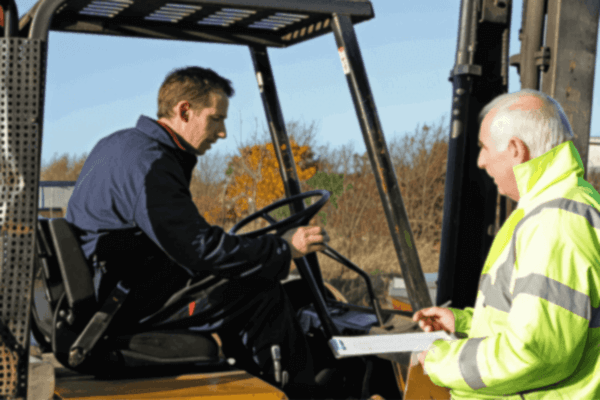
Electric sit-down forklifts for dock and general pallet handling
Electric sit-down forklifts are good for inside pallet moving, loading, and medium-to-heavy handling. They help operators move between dock doors, storage, and staging when they need stability, comfort, and frequency.
Used electric forklifts are suitable and low-emission for indoor warehouses. Though they require more recharge, battery, & runtime planning than propane cushion forklifts, electric units lessen indoor exhaust.
Used reach trucks for narrow aisles and high-bay racking
Used reach trucks fit facilities with tall racking and tighter aisle layouts. They help warehouses use vertical space without widening aisles or sacrificing storage density.
Compare reach trucks on lift height, reduced mast height, side-shift, load capacity at height, battery condition, mast wear. If rack height and aisle width are limited then a reach truck may be preferable than a regular purpose forklift.
Electric pallet jacks for fast dock-to-stage movement
Electric pallet jacks are typically ignored, but can boost warehouse productivity in busy operations. They manage cross-docking, staging, short runs, floor-loaded operations, and rapid dock-to-pick.
They also protect larger forklifts from doing small repetitive jobs. That matters. A lower-cost pallet jack can reduce congestion, save operator time, and keep sit-down forklifts focused on heavier work.
| Warehouse condition | Best used equipment type | Why it fits | Buying caution |
|---|---|---|---|
| Tall racking and narrow aisles | Used reach trucks | Supports vertical storage and tighter aisle layouts | Check lift height, mast condition, and battery health |
| Busy dock and general pallet movement | Used electric sit-down forklifts | Handles loading, unloading, and medium-to-heavy pallet moves | Verify charger compatibility and runtime |
| Short runs, staging, and cross-docking | Electric pallet jacks | Improves dock flow and reduces larger forklift congestion | Inspect controls, forks, wheels, and battery condition |
Match forklift specs to rack height, aisle width, and load profile.
Lift height and mast height determine rack height. The facility needs reach trucks, stand-up narrow aisle forklifts or sit-down units based on aisle width. Load form and center of sobriety affect stability, while pallet weight determines capacity.
Distance you go matters too. A forklift that performs well on short dock turns might not operate well on extended runs throughout a huge warehouse. Flooring also influences the choice of tire, especially in the choice between cushion and pneumatic tires.
Evaluate electric power requirements before buying used equipment.
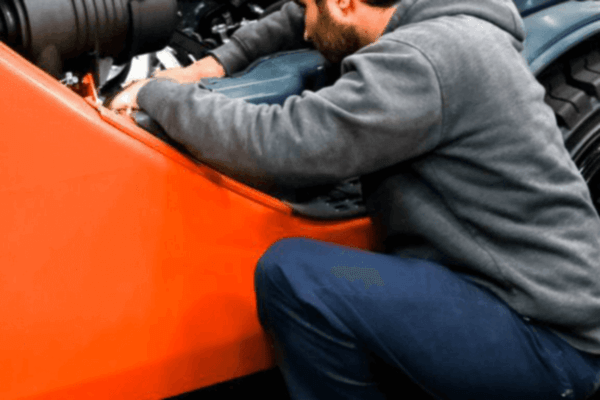
A used electric forklift is only a good value if the battery can support the shift length, charging schedule, and workload of the warehouse. Battery condition should be treated as a core buying factor, not a minor detail.
Standardize voltage, charger type, and battery systems where possible. Mixed battery systems can complicate maintenance and create charging confusion during busy shifts.
For 2 or 3 shift 3PL operations, set up opportunity charging, battery rotation or additional units. Check the charging area, ventilation, electrical capacity and charger compatibility before the equipment arrives.
Set smart age, hour, and condition limits for used forklifts.
Avoid setting a universal rule based only on age. Usage intensity, maintenance quality, application type, and previous work environment can change the real value of a used forklift.
Choose used electric forklifts with low hours, good battery tests, and service histories. Check engine hours, leaks, tires, transmission, and service records for internal combustion forklifts.
A clean, well-maintained older forklift can outperform a newer machine that was heavily used or poorly serviced. The service history usually tells a better story.
Inspect critical components before adding a forklift to your fleet.
Inspect mast channels, chains, rollers, carriage movement, fork wear, hydraulic cylinders, and lift performance. Look for leaks, uneven lifting, unusual noises, or mast drift.
For electric equipment, request a battery discharge test or load test when available. Check battery age, watering history, cables, connectors, charger compatibility, and actual runtime.
Also check the tires, brakes, steering responsiveness, horn, lights, backup alarm, seat belt and operator display. These tests impact uptime, safety, and compliance readiness.
Build redundancy into the fleet without overspending.
E-commerce and 3PL warehouses need backup capacity for maintenance, seasonal spikes, and unexpected downtime. That doesn’t mean every backup unit needs to be the newest or highest-spec machine.
A tiered model works well. Use higher-quality used units for mission-critical routes, secondary units for peak periods and backup, and electric pallet jacks for dock and staging relief.
This is where many warehouses overspend. They buy another large forklift when a smaller support unit would solve the bottleneck.
Calculate the total cost of ownership, not only the purchase price.
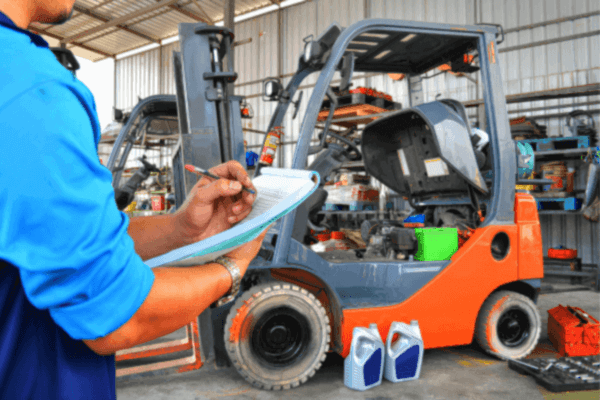
The cheapest forklift on the lot may not be the lowest-cost forklift in the fleet. Total cost includes purchase price, battery and charger costs, maintenance, parts availability, tires, training, downtime risk, warranty coverage, delivery, dealer support, and resale value.
A used forklift with inspection records, battery documentation, and support options may cost more upfront, but it can reduce surprises. For primary fleet assets, that reliability is often worth it.
Used vs. new forklifts: when does used equipment make the most sense?
Used forklifts are a good option if the warehouse requires capacity fast, budget control is important, the application is mild or predictable, or a backup unit is needed. They’re also a good option when dealer inspection and warranty options are available.
New forklifts may be better when the operation runs extreme hours, requires exact specifications, needs advanced technology, or wants long-term fleet standardization.
For many e-commerce and 3PL warehouses, the right answer is mixed. Buy used where the application is predictable. Consider new only where precision specs or very high utilization justify the added cost.
Work with a certified used forklift dealer instead of buying blind.
A certified or reputable used forklift dealer can provide inspected equipment, reconditioning details, service history, financing options, warranty options, and delivery support. Private sellers may suggest lower prices, but they usually provide less visibility into condition and after-sale support.
That difference matters most for primary fleet assets. If a truck affects daily throughput, it should be purchased with better documentation and support.
Value Forklift can help match used material handling equipment to rack height, aisle width, shift schedule, pallet weight, and budget. For a warehouse building a forklift fleet in phases, that guidance can prevent expensive mismatches.
Build a smarter used forklift fleet
Talk with Value Forklift about rack height, aisle width, shift schedule, pallet weight, and available used equipment.
Sample used forklift fleet plans by warehouse type.
Small e-commerce warehouse
The operation of a small ecommerce warehouse can begin with one electric sit-down forklift, and a single or two electric pallet jacks, plus one used reach truck if needed for rack height. This combination is suitable for expanding brands, a moderate amount of pallet rotations, and a limited number of dock doors.
Mid-size 3PL warehouse
Reserve storage and replenishment require multiple used reach trucks, docks, and general materials handling need electric sit-down forklifts, and staging, shipping, and cross-dock support require electric pallet jacks in order to have a mid-size 3PL.
High-velocity fulfillment or cross-dock facility
A high-velocity facility may need additional electric pallet jacks and dock-focused tools. Back-up sit-down forklifts help protect uptime, while reach trucks are only needed if vertical storage is part of the workflow.
Common mistakes to avoid when building a used forklift fleet
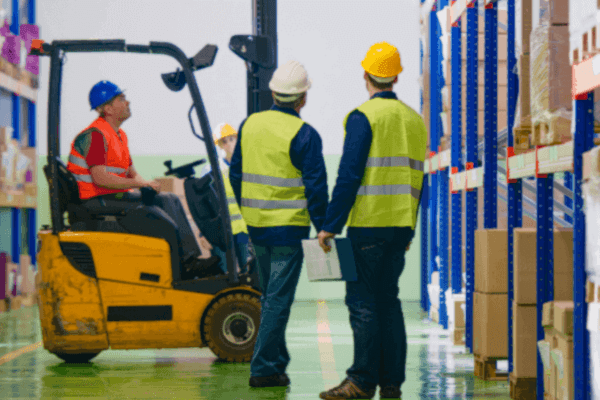
Common errors made are purchasing on price alone, not paying attention to the condition of the batteries, purchasing equipment before measuring aisles, not accounting for the number of chargers needed, purchasing too many different types of forklifts, not planning for backup capacity, and using a sit-down forklift where a pallet jack can be used.
Also check service records, warranty options, and operator familiarity. A forklift that operators dislike or don’t understand can quietly reduce productivity.
Used forklift fleet planning checklist
Consider the width of aisles, rack heights, rack load, dock rack to rack movement, shifts per day, power options, equipment type, condition limits, maintenance records, battery tests, critical parts, total cost, and service support before purchase.
Need help choosing the right used forklift fleet for your e-commerce or 3PL warehouse? Contact Value Forklift to discuss your layout, workload, and equipment needs.
Frequently Asked Questions
Are used electric forklifts a good choice for 3PL warehouses?
Yes. Used electric forklifts can be a strong choice for indoor 3PL operations when the battery, charger, hours, lift capacity, and service history are properly evaluated before purchase.
How many forklifts does a warehouse need?
The number depends on dock volume, pallet movement, rack height, aisle width, shift count, travel distance, and backup requirements. A better approach is to calculate equipment needs by workflow zone rather than square footage alone.
What should I inspect before buying a used reach truck?
Check lift height, mast condition, load capacity at height, battery health, charger compatibility, hydraulic performance, tires, forks, operator controls, and service records.
Why are electric pallet jacks useful in a forklift fleet?
When dock traffic gets hectic, pallet jacks enhance workflow, reducing backup time and facilitating short-range movement. They can also eliminate the need to navigate much larger lifts around crowded spaces.
What information should I have before contacting a used forklift dealer?
Have your rack height, aisle width, pallet weight, number of shifts, dock activity, facility layout, preferred power type, and budget range ready. This helps the dealer recommend equipment that fits the actual workload.