
How to Choose the Right Used Forklift for a Small Warehouse
Choosing a used forklift for a small warehouse is easier when you begin with the space, not the machine. A truck can be clean and at a reasonable price. If it can’t turn in your aisles or get to your racks or handle your largest pallets safely, it’s not the right fit.
Small warehouses are often cramped with little floor space, busy dock areas, and compact storage rooms. The proper small warehouse forklift should meet your aisle width, rack height, floor surface, load weight and daily workload. A good alternative for many indoor teams is the used electric forklift which operates silently and does not produce exhaust while running. For longer shifts or combined indoor and outdoor use, a propane forklift could be a good choice.
This blog will help you compare truck types, understand forklift lift capacity, decide when a narrow aisle forklift is worth it, and inspect a machine before buying.
Start With Your Warehouse Layout
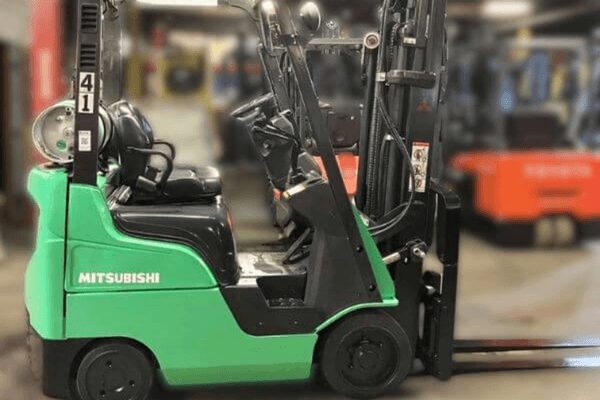
Your layout should shape the buying decision from the beginning. The best used forklift is the one that fits your building and supports the way your team already works.
Measure Your Aisles
One of the first numbers to consider is aisle width. If your aisles are in the 8- to 10-foot range, a narrow-aisle model may be a better fit than a normal sit-down truck. Stand-up reach trucks are a good fit for confined locations and higher pallet positions.
If your aisles are slightly wider, a 3-wheel electric counterbalance truck can be a strong small warehouse forklift option. It gives operators a tight turning radius while still handling everyday pallet movement.
Check Rack Height
Measure the highest pallet position in your racking. Then compare that height to the lift height on the forklift data plate. The truck should be able to achieve your operation’s required weight at the top rack level.
Also check dock doors, low ceilings, lights, sprinklers, and overhead beams. A triplex mast lifts high but stays shorter when lowered.
Review Traffic Flow
Consider the walkways people use and the locations of pallet racks and the movement of vehicles. A small used forklift can help alleviate congestion in tight corners.
Choose the Right Forklift Type
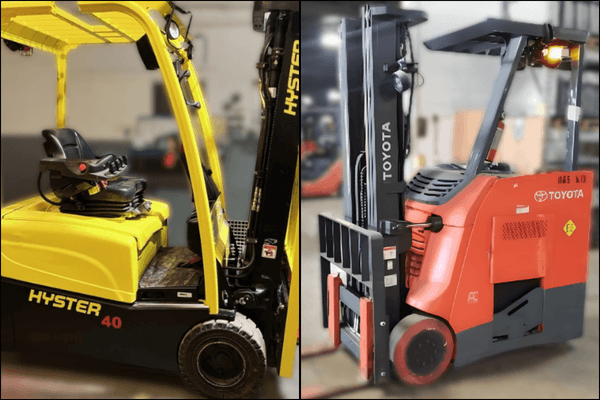
Trucks are built to do distinct jobs. Choose your style and then shop around for prices on your everyday work.
Electric Stand-Up Reach Truck
A stand-up reach truck is useful when you need to store pallets higher in a smaller footprint. It is common for warehouses that want to use vertical space instead of spreading inventory across the floor.
The electric model in this class is great for smooth inside concrete and frequent rack work.
Key benefits include:
- Strong maneuverability in tight aisles
- Good reach for taller racks
- Quiet indoor operation
- Clean performance with no exhaust during use
3-Wheel Electric Counterbalance
For many smaller businesses, a 3-wheel electric counterbalance truck is a versatile option. It will handle tighter than most 4-wheeler types and still will feel like home to seated truck drivers.
This small warehouse forklift is good for moving ordinary pallets, loading trailers, and driving short indoor routes.
Walkie Stacker
For the low volume task, a mini stacker is generally suffice. The operator walks behind or beside the machine. It is slower than a rider truck, but it is able to transfer pallets and elevate to lower rack levels.
Match Capacity to Real Loads
Forklift lift capacity is one of the most important safety details in the buying process. Capacity is affected by load weight, load center, lift height, and attachments.
Know Your Heaviest Pallet
Start with your heaviest load, not your average load. Many small warehouse operations use trucks rated around 4,000 to 5,000 lb., but your products may require a different rating.
A used forklift should handle your real working conditions, including the heaviest pallet your team lifts and the highest rack position where that pallet may go.
Read the Data Plate
The data plate indicates the rated capacity at a specified load center and lift height. Don't rely on the number written in a listing. A truck may have less capacity at maximum height or when the load center is moved forward.
If the plate does not fit you, keep searching. The right used forklift will match your load size and storage height with no guessing.
Include Attachments
Side shifters, clamps, fork positioners and fork extensions might modify the rating. Ask how an attachment will affect a truck that’s already equipped. If you will add one later, think about that before you buy.
Pick the Best Power Source
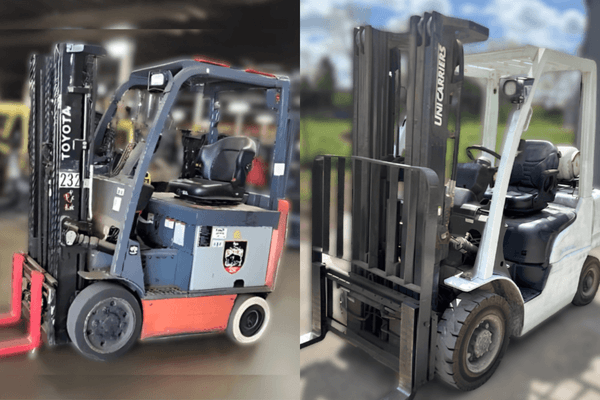
The source of power influences the daily cost, maintenance, indoor air quality, and refilling time. Electric vs propane (most small indoor warehouses do a comparison)
Used Electric Forklift
Indoor work is usually best performed using a used electric forklift. It runs silently. Has no emissions while running and fewer engine parts.
Get a professional battery test before buying. A poor battery can reduce run duration and be very expensive to repair.
Propane Forklift
A propane-powered vehicle might be more suited for longer shifts or facilities that need speedy recharging. Instead of waiting around for a battery to charge, the operator can just swap tanks and get back to work.
This method also works well in mixed-use environments where the truck moves from an interior port to an outside yard. Ventilation still matters, so check your building layout first.
Which One Fits Your Operation?
If most work is done inside on smooth concrete, a battery-operated device may seem cleaner and quieter. If your staff works long hours, heavier cycles, or outside part of the day, propane may be easier to manage.
Inspect the Truck Before You Buy
A modest price can be pricey if the machine has hidden problems. Take time to inspect the used forklift thoroughly or have a certified technician do so.
Check Hours and Service Records
Verify the hour meter and request service records. The rig that has no records is probably cheaper, but the lower-hour vehicle with frequent service is usually a safer buy.
Check for maintenance records on brakes, hydraulics, mast chains, tires, batteries, engines, and safety systems. Value Forklifts encourages you to compare condition and fit, not only shop by price.
Inspect Tires, Mast, and Forks
The tires tell the truck’s life story. Pneumatic tires are excellent for asphalt, gravel and uneven surfaces, but cushion tires are good for smooth indoor flooring.
Check for chunking, cracking, flat patches and uneven wear. Then look at the mast, carriage, chains, rollers and forks. Warning signs are bent forks, oil leaks, loose chains or rough mast movement.
Test Safety Features
Test the horn, lights, backup alarm, seat belt, brakes, steering, and parking brake. Operator visibility is also important, especially when choosing a small warehouse forklift for tight aisles and busy rack areas.
Compare Buying Options in the U.S.
Where you buy affects confidence, support, delivery, and warranty options.
Certified Dealers
Certified dealers often inspect, service, and recondition equipment before resale. They may also offer warranty coverage, financing, delivery, and local service support.
This route may cost a little extra upfront, but it can reduce risk when buying a used forklift for daily warehouse work.
Online Marketplaces and Local Sellers
Online marketplaces can show you a wide range of brands, prices, and locations. Ask for detailed photos, videos, data plates, service history, and inspection reports before comparing deals.
Local sellers can also be useful because you can inspect and test the truck in person. The machine should match your layout, your capacity needs, and your long-term budget.
Use a Simple Buying Checklist
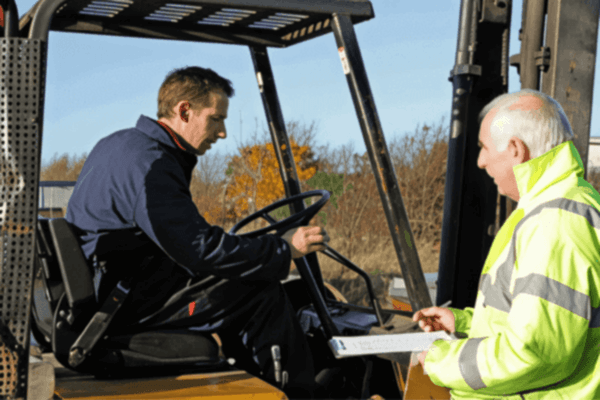
A checklist keeps the decision clear and prevents you from focusing only on the sticker price.
Warehouse Fit Checklist
Before choosing a used forklift, write down:
- Aisle width
- Highest rack level
- Door and ceiling clearance
- Heaviest pallet weight
- Indoor or outdoor use
- Floor surface
- Daily operating hours
- Charging or propane storage setup
These details will indicate whether you need a narrow-aisle forklift, a walkie stacker, a 3-wheel model, or a propane forklift.
Condition Checklist
During inspection, review:
- Data plate and forklift lift capacity
- Hour meter
- Battery or engine condition
- Tire wear
- Mast and fork condition
- Hydraulic leaks
- Brake and steering response
- Safety lights and alarms
- Maintenance records
A clean inspection gives you better confidence before purchase.
Cost Checklist
Think beyond the purchase price. Include delivery, charger needs, battery risk, propane storage, tires, service calls, and operator training. Sometimes, a slightly higher-priced used forklift is the better value because it has better records and the right setup.
Conclusion
The right used forklift can help a small warehouse run with better safety, cleaner movement, and less wasted space. Start with your layout, then match the truck to your aisle width, rack height, load weight, power source, and daily workload.
An electric truck may be ideal for quiet indoor handling. A propane truck may suit longer shifts or mixed-use work. A narrow aisle forklift can solve space challenges, while the proper rating protects your team and inventory.
Value Forklifts can help you compare dependable equipment for your warehouse needs. Visit our site to explore available options, and contact us when you are ready to find the right truck for your operation.
Frequently Asked Questions
What is the best used forklift for a small warehouse?
The best choice depends on aisle width, rack height, load weight, and daily use. A 3-wheel electric truck, walkie stacker, or reach truck can all work well in the right setting.
Is a used electric forklift better than a propane forklift?
An electric truck is usually better for clean indoor use. A propane truck can be better for long shifts, quick refuelling, or mixed indoor and outdoor work.
How much forklift lift capacity do I need?
Your rating should match your heaviest pallet, load center, and rack height. Many small warehouses use 4,000 to 5,000 lb. trucks, but your needs may vary.
When should I choose a narrow aisle forklift?
Choose one when your aisles are too tight for a standard truck or when you need to reach higher racks in a compact storage area.
What should I check before buying?
Review hours, service records, tires, forks, mast, brakes, hydraulics, safety equipment, battery condition, and the data plate.