
How to Choose Pneumatic Forklifts for Outdoor Material Handling
Outdoor material handling requires equipment that can handle changing surfaces, heavier loads, & demanding working conditions. Unlike indoor warehouse operations, where floors are usually smooth and controlled, outdoor environments often include uneven ground, gravel, asphalt, dirt, and other challenging surfaces.
Pneumatic forklifts are designed for these types of applications because they provide better traction, stability, & ground clearance compared to forklifts built mainly for indoor use. However, choosing the right model requires understanding your operating environment, load requirements, tire options, and daily workload.
This blog explains what to consider when selecting a pneumatic forklift for outdoor material handling and how to determine which option fits your business needs.
What Are Pneumatic Forklifts?
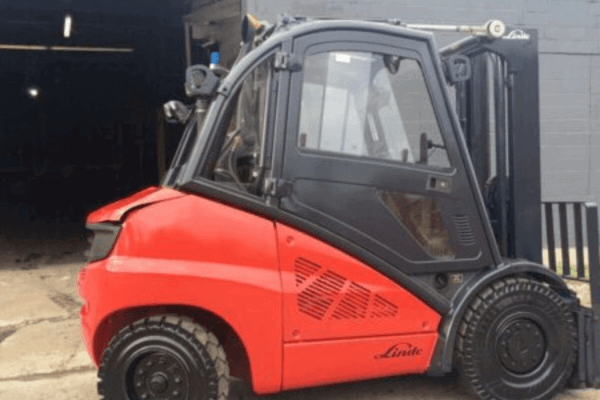
Pneumatic forklifts are forklifts equipped with pneumatic tires designed to improve performance on outdoor and uneven surfaces. These tires are similar to those used on trucks and other heavy-duty vehicles, allowing forklifts to travel more smoothly across surfaces where standard warehouse forklifts may struggle.
They are often employed in industries where there is a need to transfer materials outside, including:
- Construction sites
- Manufacturing facilities
- Distribution yards
- Lumber and building supply operations
- Shipping & receiving areas
- Industrial storage locations
Compared to cushion tire forklifts, pneumatic forklifts typically provide higher ground clearance & improved traction, making them a practical choice for outdoor material movement.
Why Are Pneumatic Forklifts Suitable for Outdoor Material Handling?
Outdoor operations often involve surfaces & conditions that can affect forklift performance. Pneumatic forklifts are built to handle these challenges more effectively.
Better Performance on Uneven Surfaces
Outdoor work areas are not always perfectly flat. Gravel lots, cracked pavement, dirt paths, & rough surfaces can create challenges for standard forklifts.
Pneumatic forklift tires provide improved contact with the ground, helping operators move materials with better control and stability. This makes them suitable for businesses that frequently move loads between indoor and outdoor areas.
Increased Ground Clearance
Ground clearance is an important factor when operating a forklift outdoors. Rocks, debris, uneven pavement, and other obstacles can create problems for equipment with lower clearance.
Pneumatic forklifts sit higher from the ground, helping reduce the chance of undercarriage damage during outdoor operations.
Improved Load Handling Stability
Handling heavy materials requires reliable stability. Pneumatic tires help absorb surface impacts & provide a smoother ride while carrying loads.
This added stability can be beneficial when transporting materials across outdoor yards, loading areas, or rough surfaces.
Versatility Across Different Industries
One of the main advantages of pneumatic forklifts is their ability to work in multiple environments. Businesses that need flexible equipment for different applications often choose pneumatic models because they can perform both loading and transportation tasks outdoors.
Key Factors to Consider Before Choosing a Pneumatic Forklift
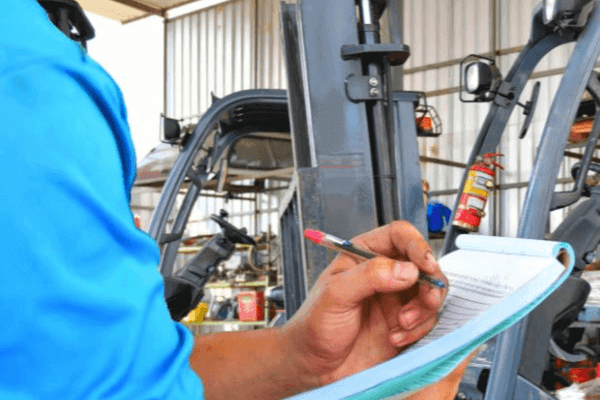
Selecting the right pneumatic forklift depends on how and where the equipment will be used. Consider these factors before making a decision.
Evaluate Your Operating Environment
Start by reviewing your typical working conditions.
Ask yourself:
- Will the forklift operate mainly outdoors or move between indoor & outdoor areas?
- What type of surfaces will it travel on?
- Will it be exposed to weather conditions?
- Are there space limitations in your facility?
A forklift used on smooth concrete requires different features compared to one operating on rough outdoor terrain.
Determine Your Load Capacity Requirements
The forklift you choose should match your daily lifting requirements.
Consider:
- Average load weight
- Maximum load weight
- Load dimensions
- Required lifting height
- Attachments needed for your application
Choosing equipment with the correct capacity helps improve safety and prevents unnecessary strain on the forklift.
Choose Between Air Pneumatic and Solid Pneumatic Tires
Pneumatic forklifts are available with different tire options.
| Tire Type | Best For | Advantages |
|---|---|---|
| Air Pneumatic Tires | Rough outdoor surfaces and uneven terrain | Better shock absorption and improved traction |
| Solid Pneumatic Tires | Industrial environments with frequent use | Increased durability and resistance to punctures |
Air pneumatic tires provide a smoother ride, while solid pneumatic tires are often preferred when durability & reduced maintenance are priorities.
Consider Fuel Type and Power Options
Pneumatic forklifts are available with different power options depending on the application.
Common options include
- Propane-powered forklifts for flexible indoor & outdoor use
- Diesel forklifts for heavy-duty outdoor applications
- Electric forklifts for specific environments where emissions need to be minimized
The best choice depends on your operating requirements, work environment, & maintenance preferences.
Pneumatic Forklift vs Cushion Forklift: Which One Is Better Outdoors?
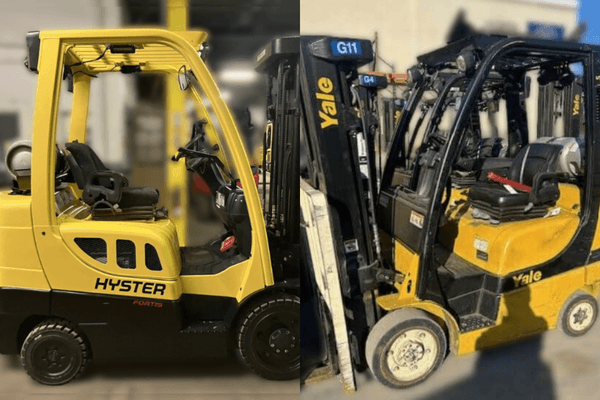
While both forklift types have their uses, pneumatic and cushion forklifts are designed for different environments.
| Feature | Pneumatic Forklift | Cushion Forklift |
|---|---|---|
| Surface Type | Outdoor and uneven surfaces | Smooth indoor floors |
| Tire Design | Larger pneumatic tires | Solid rubber tires |
| Ground Clearance | Higher | Lower |
| Traction | Better outdoor traction | Designed for indoor maneuverability |
| Common Use | Outdoor yards and rough surfaces | Warehouses and manufacturing floors |
For businesses working primarily outdoors, pneumatic forklifts are generally designed to handle conditions that cushion-tire forklifts are not built for.
Common Applications for Pneumatic Forklifts
Construction Material Handling
Uneven ground carrying large loads is a common requirement for construction sites that need forklifts.
Pneumatic forklifts can help transport:
- Building materials
- Equipment components
- Pallets
- Heavy supplies
Their durability and traction make them useful for demanding outdoor environments.
Outdoor Warehouses and Distribution Centers
Many warehouses require forklifts to move products between storage areas, loading docks, and transportation vehicles.
Pneumatic forklifts provide the flexibility needed when operations extend beyond indoor spaces.
Manufacturing Facilities
Manufacturing businesses often move raw materials and finished products between indoor production areas and outdoor storage locations.
A pneumatic forklift can support these operations by handling different surfaces and transportation needs.
Lumber and Building Supply Operations
Heavy materials such as lumber, steel, and construction supplies require equipment with strong stability and outdoor capability.
Pneumatic forklifts are commonly used in these environments because they can manage larger loads across challenging surfaces.
Maintenance Tips for Pneumatic Forklifts
Proper maintenance helps extend forklift performance & reduce unexpected downtime.
Follow these basic maintenance practices:
- Inspect tires regularly for wear, damage, or pressure issues.
- Check hydraulic systems & lifting components.
- Maintain brakes & steering systems.
- Follow manufacturer service recommendations.
- Inspect attachments before daily operation.
- Keep maintenance records for future reference.
Regular inspections are especially important for forklifts operating outdoors because exposure to weather and rough surfaces can increase equipment wear.
Should You Buy a New or Used Pneumatic Forklift?
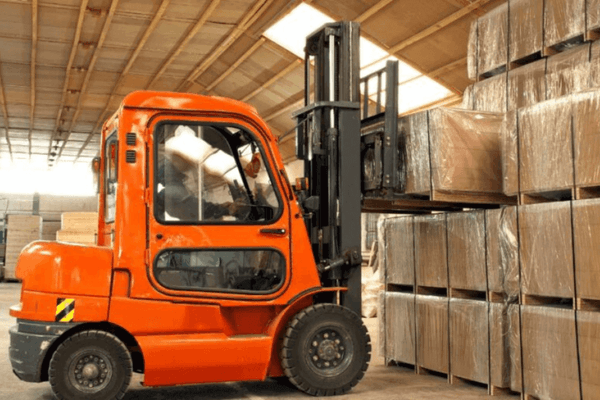
Many businesses consider used equipment when they need reliable material handling solutions while managing their equipment budget.
Benefits of Buying Used Pneumatic Forklifts
A used pneumatic forklift can provide:
- Lower initial investment
- Access to proven equipment models
- Flexible options for different applications
- Reliable performance when properly inspected
The right used forklift can be a practical choice for businesses with specific operating requirements.
What to Check Before Buying a Used Pneumatic Forklift
Before purchasing a used forklift, review:
- Maintenance history
- Operating hours
- Tire condition
- Hydraulic performance
- Engine or battery condition
- Overall equipment inspection
Understanding the forklift’s condition helps you select equipment that matches your expectations and workload.
Conclusion
Choosing the right pneumatic forklift for outdoor material handling requires careful consideration of terrain, load requirements, tire type, fuel source, & operating conditions. A forklift designed for your specific environment can improve productivity, operator comfort, & equipment reliability.
Value Forklifts offers a range of forklift options to help businesses find equipment suited to their material handling needs. Contact us to discuss your outdoor material handling needs and explore available forklift options.
Frequently Asked Questions
What Is a Pneumatic Forklift Used For?
Pneumatic forklifts are used for outdoor material handling applications where better traction and stability are required. They are widely employed at building sites, manufacturing plants, shipping yards, and outdoor storage areas. Their larger tires help them operate effectively on uneven surfaces such as gravel, asphalt, and rough terrain.
Are Pneumatic Forklifts Better for Outdoor Use?
Yes, pneumatic forklifts are well-suited for outdoor operations because they provide improved traction, ground clearance, and stability. Their tire design helps absorb shocks from uneven surfaces, making them a practical choice for demanding outdoor environments and heavy-duty material handling tasks.
What Is the Difference Between Pneumatic and Cushion Forklifts?
Pneumatic forklifts are designed for outdoor use and uneven surfaces, while cushion forklifts are mainly used on smooth indoor floors. Pneumatic tires provide superior traction and shock absorption, whereas cushion tires provide better maneuverability in warehouses and tight indoor spaces.
Are Used Pneumatic Forklifts Reliable?
Used pneumatic forklifts can be reliable when they are properly inspected & maintained. Checking factors such as service history, operating hours, tire condition, and overall equipment performance can help ensure you choose a dependable forklift for your operations.
How Often Should Pneumatic Forklift Tires Be Replaced?
Pneumatic forklift tire replacement depends on usage, operating conditions, tire type, & maintenance practices. Regular inspections can help identify wear, damage, or reduced traction and determine when replacement is needed to maintain safe and efficient operation.