
Forklift Tires Buying Guide: How to Choose the Right Type for Your Operation
Choosing the right forklift tires is an important decision for any warehouse, manufacturing facility, distribution center, or outdoor operation. Tires directly affect how smoothly your forklift moves, how safely operators handle loads, and how efficiently your equipment performs throughout the workday.
Many businesses focus on forklift capacity, fuel type, or attachments when purchasing equipment, but tire selection is equally important. The wrong tire can create unnecessary wear, reduce traction, increase maintenance costs, & make daily operations less efficient.
Different work environments require different solutions. A forklift working inside a clean warehouse with smooth concrete floors has different needs compared with equipment operating outdoors on uneven surfaces. Understanding the available forklift tire types helps you select an option that matches your application.
At Value Forklifts, we provide solutions for different material handling requirements, including forklifts, attachments, batteries, chargers, & tire-related equipment needs. Selecting the right components helps businesses improve equipment reliability & reduce operational interruptions.
Why Choosing the Correct Forklift Tires Matters
Forklift tires support the entire weight of your machine while helping it move safely with heavy loads. Because forklifts operate under demanding conditions, tire quality and selection can have a direct impact on productivity.
Using unsuitable tires can create several problems, including:
- Reduced traction on working surfaces
- Increased operator discomfort
- Faster tire wear
- Poor forklift stability
- Higher replacement costs
- Increased equipment downtime
For example, using tires designed for smooth warehouse floors in an outdoor environment may result in reduced performance because they are not built to handle rough terrain. Similarly, using pneumatic tires in tight indoor spaces may reduce maneuverability.
A proper forklift tire buying guide should always begin by understanding your operating environment.
Understanding Different Types Of Forklift Tires
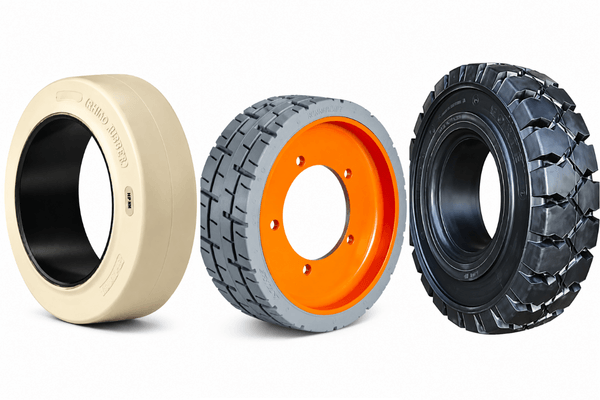
There are three main categories of forklift tire types:
- Solid forklift tires
- Pneumatic forklift tires
- Scissor forklift tires
Each option offers different benefits depending on the application.
Solid Forklift Tires: Durable Performance For Demanding Applications
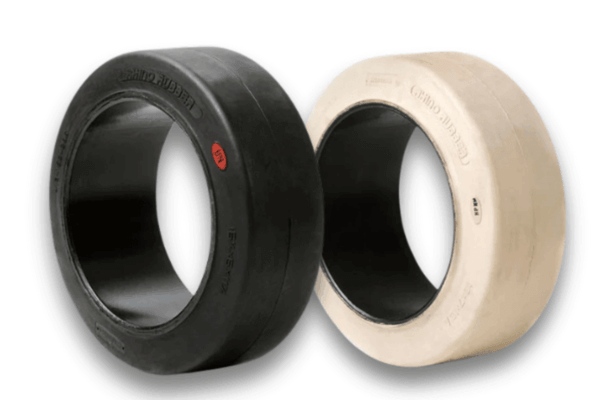
Solid forklift tires are manufactured from solid rubber compounds & do not contain air. Their strong construction makes them highly resistant to punctures, cuts, and damage caused by debris.
These tires are commonly used in environments where durability is a priority, such as:
- Manufacturing facilities
- Recycling operations
- Warehouses with heavy traffic
- Industrial environments with debris
Benefits Of Solid Forklift Tires
Long Service Life
One of the biggest advantages of solid tires is their durability. Because they do not rely on air pressure, they are less likely to experience punctures or sudden damage.
This makes them useful for businesses looking to reduce frequent tire replacements.
Lower Risk Of Damage
Operations involving metal scraps, wood pieces, or rough industrial materials may benefit from solid tires because they can withstand challenging conditions.
Reduced Maintenance Requirements
Since solid tires do not require air pressure checks, businesses can spend less time managing routine tire maintenance.
However, solid tires are generally less comfortable than pneumatic options because they provide less cushioning over uneven surfaces.
Pneumatic Forklift Tires: Better Shock Absorption and Outdoor Performance
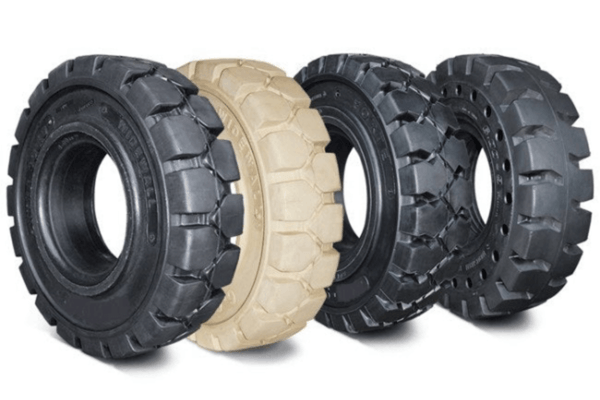
Pneumatic forklift tires are air-filled tires designed to provide improved cushioning and traction.
They are commonly used for applications where forklifts operate on:
- Gravel surfaces
- Outdoor yards
- Construction areas
- Uneven ground conditions
The air inside the tire helps absorb impact from bumps and uneven terrain, creating a smoother operating experience.
Benefits Of Pneumatic Forklift Tires
Improved Comfort
Outdoor surfaces can create vibration & impact during operation. Pneumatic tires help reduce some of this stress by absorbing shocks.
Better Surface Adaptability
These tires can perform well on changing surfaces where solid or scissor tires may struggle.
Strong Traction
Pneumatic tires often provide better grip in outdoor environments where surfaces may not always be smooth or predictable.
However, they require more maintenance because operators need to monitor air pressure & inspect for punctures.
Scissor Forklift Tires: Durable Performance For Demanding Applications
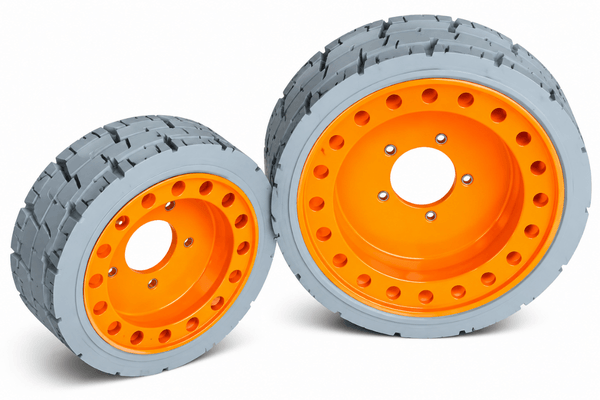
Scissor lift tires are manufactured from strong rubber compounds & are designed to handle demanding work environments. Their durable construction helps resist punctures, cuts, and damage caused by debris.
These tires are commonly used in environments where durability is a priority, such as
- Manufacturing facilities
- Recycling operations
- Warehouses with heavy traffic
- Industrial environments with debris
Benefits of Scissor Forklift Tires
Long Service Life
One of the biggest advantages of scissor forklift tires is their durability. Their strong construction helps reduce the risk of punctures or sudden damage, making them useful for businesses looking to reduce frequent tire replacements.
Lower Risk Of Damage
Operations involving metal scraps, wood pieces, or rough industrial materials may benefit from scissor lift tires because they can withstand challenging conditions.
Reduced Maintenance Requirements
Scissor forklift tires require less routine maintenance compared with air-filled options, helping businesses reduce downtime & maintain efficient operations.
However, scissor forklift tires provide less cushioning compared with pneumatic options because they are designed for durability and reliable performance.
Factors To Consider When Buying Forklift Tires
Selecting the right forklift tires requires more than choosing between solid, pneumatic, or scissor options. Your operating conditions, forklift specifications, & daily workload all influence which tire solution will deliver the best performance.
Before purchasing replacement tires, consider the following factors.
Operating Surface and Environment
The surface where your forklift operates is one of the most important factors when choosing tires.
A smooth indoor warehouse floor requires different tire characteristics compared with an outdoor loading area.
Indoor Applications
Indoor warehouses usually require tires that provide:
- Smooth movement
- Easy steering
- Low floor impact
- Good maneuverability
For these environments, scissor tires and solid tires are commonly considered because they perform well on flat concrete surfaces.
Outdoor Applications
Outdoor operations often involve:
- Uneven ground
- Gravel
- Dirt surfaces
- Weather changes
- Loading yards
These conditions usually require tires that can handle impact & provide reliable traction. Pneumatic tires are often considered for these applications because they offer improved shock absorption.
Choosing tires based on your actual working environment helps improve safety & equipment performance.
Load Capacity And Forklift Usage
Every forklift is designed to handle specific weight limits, and your tire selection should support those requirements.
Heavy loads place additional pressure on tires during:
- Lifting operations
- Turning movements
- Frequent transportation
- Long operating cycles
When selecting industrial forklift tires, consider:
- Maximum load weight
- Average daily usage
- Operating hours
- Travel distance
- Frequency of lifting tasks
A forklift used for occasional light-duty work may have different tire requirements compared with equipment operating multiple shifts every day.
Using tires that are not suitable for your workload may lead to faster wear & reduced performance.
Forklift Tire Size and Compatibility
Selecting the correct forklift tire size is essential for safe & efficient operation.
Forklift tires are available in different sizes based on:
- Forklift model
- Wheel dimensions
- Load capacity
- Application requirements
Incorrect tire sizing can affect:
- Forklift balance
- Ground clearance
- Steering response
- Load stability
- Tire lifespan
Before purchasing replacement tires, always check:
- Existing tire markings
- Manufacturer recommendations
- Forklift specifications
Proper sizing ensures the tire works correctly with the forklift’s design.
Indoor vs. Outdoor Forklift Tire Selection Guide
| Working Environment | Recommended Tire Options | Why They Work Well |
|---|---|---|
| Smooth warehouse floors | Cushion or solid tires | Better maneuverability and durability |
| Manufacturing facilities | Solid tires | Handles heavy use and reduces puncture risk |
| Outdoor yards | Pneumatic tires | Better traction and shock absorption |
| Mixed indoor and outdoor use | Application-specific tires | Balances performance needs |
How Forklift Tire Materials Affect Performance
The material used in forklift tires impacts durability, traction, comfort, & operating costs.
Different tire materials are designed to handle different working conditions.
Rubber Compound
The rubber compound affects:
- Tire wear resistance
- Floor protection
- Grip level
- Overall durability
High-quality rubber materials help tires maintain performance during regular forklift operation.
Solid Rubber Construction
Solid rubber designs provide strength and resistance against damage. These tires are useful in environments where punctures and cuts are common concerns.
Air-Filled Construction
Air-filled pneumatic tires provide flexibility & cushioning. They are often selected for applications where operators need improved comfort over uneven surfaces.
Understanding tire materials helps businesses select options that match their operational demands.
Signs Your Forklift Tires Need Replacement
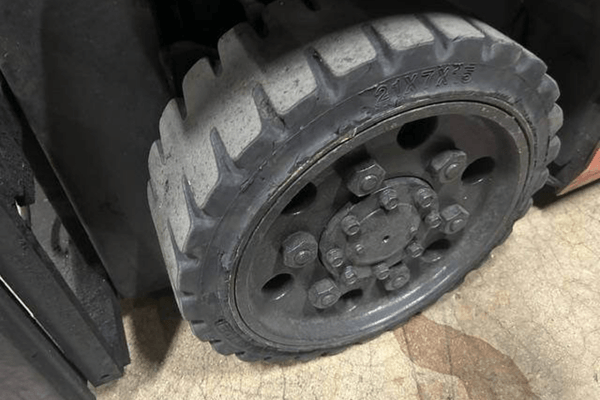
Regular inspection helps identify problems before they affect productivity.
Common signs of forklift tire replacement include:
Visible Tire Damage
Cracks, cuts, missing rubber sections, or exposed areas indicate that replacement may be required.
Reduced Traction
If your forklift slips or struggles to maintain grip, worn tires may be affecting performance.
Uneven Tire Wear
Uneven wear patterns can indicate alignment issues, incorrect tire selection, or operating conditions that require attention.
Increased Vibration
Excessive vibration during operation may indicate tire damage or improper tire condition.
How To Extend The Life Of Your Forklift Tires
Proper care can help maximize the lifespan of your forklift tires and reduce unnecessary replacement costs.
Follow these maintenance practices:
Perform Regular Inspections
Check tires before operation to identify visible damage, wear, or unusual conditions.
Maintain Proper Operating Practices
Avoid:
- Sudden turning
- Overloading
- Excessive speeding
- Driving over unnecessary obstacles
These habits can increase tire wear.
Keep Work Areas Clean
Removing debris from operating areas helps reduce the risk of tire damage, especially for solid and pneumatic tire applications.
Replace Tires When Required
Continuing to use worn tires can affect forklift safety and efficiency. Timely replacement helps maintain consistent performance.
Choosing The Best Forklift Tires For Different Applications
Different industries have different material handling requirements. The right tire choice depends on how and where your forklift operates.
Warehouses and Distribution Centers
Warehouses often require tires that provide:
- Smooth operation
- Tight turning ability
- Low maintenance
Scissor & solid tires are commonly considered for these environments.
Manufacturing Facilities
Manufacturing operations often involve continuous forklift usage. Durable solid tires can help support demanding schedules where equipment operates frequently.
Outdoor Storage Yards
Outdoor applications require tires that can handle uneven surfaces & changing conditions. Pneumatic tires may provide advantages in these environments.
Heavy-Duty Operations
Heavy-duty applications require tires designed to handle increased weight and frequent operation. Matching tire specifications with forklift capacity is important.
Common Forklift Tire Buying Mistakes To Avoid
Choosing the right forklift tires can improve productivity, but selecting the wrong option may create unnecessary costs and performance issues.
Many businesses make tire decisions based only on price, but the lowest upfront cost does not always provide the best long-term value.
Here are some common mistakes to avoid:
Choosing Tires Based Only On Price
A cheaper tire may seem like a good option initially, but it may wear faster or perform poorly in your working environment.
Consider:
- Expected lifespan
- Operating conditions
- Maintenance requirements
- Equipment performance
A durable tire that lasts longer may provide better value over time.
Using The Same Tires For Every Application
Different forklifts and workplaces have different needs.
For example:
- Indoor warehouses may benefit from scissor tires.
- Outdoor yards may require pneumatic tires.
- Heavy industrial areas may need solid tires.
Choosing a tire based on another application may reduce performance and increase wear.
Ignoring Manufacturer Recommendations
Forklift manufacturers provide tire specifications designed around equipment performance and safety.
Ignoring recommended sizes or tire ratings can affect:
- Stability
- Steering control
- Load handling
- Equipment lifespan
Always confirm compatibility before purchasing replacement tires.
How To Compare Forklift Tires Before Purchasing
Before investing in new tires, compare options based on your operational needs.
Consider these factors:
A careful comparison helps you choose tires that support your equipment instead of creating additional challenges.
The Role Of Forklift Tire Maintenance In Equipment Performance
Even high-quality forklift tires require proper maintenance to perform effectively.
Regular maintenance helps:
- Improve equipment reliability
- Reduce unexpected downtime
- Extend tire lifespan
- Support safer operation
A simple inspection routine can help identify problems early.
Operators should check for:
- Uneven wear patterns
- Cuts or cracks
- Tire damage
- Reduced tread condition
- Loose or damaged wheels
Maintaining tires as part of your overall forklift maintenance routine helps protect your investment.
Forklift Tires For Electric Forklift Applications
Electric forklifts are commonly used in indoor environments where clean operation and efficiency are important.
Selecting the right electric forklift tires depends on:
- Warehouse layout
- Floor condition
- Operating hours
- Load requirements
Many electric forklift applications use scissor or solid tires because they work well on smooth surfaces and require limited maintenance.
However, each operation should evaluate its specific requirements before choosing a tire type.
How the Right Forklift Tires Improve Daily Operations
The correct tire selection can support better forklift performance in several ways.
Improved Stability
Proper tires help maintain balance while transporting heavy loads, especially during turning & lifting operations.
Better Operator Comfort
The right tire type can reduce vibration and create a smoother operating experience.
Reduced Downtime
Durable tires designed for the correct environment may require fewer replacements and repairs.
Better Productivity
When forklifts move efficiently, operators can complete daily tasks more effectively.
Conclusion
Selecting the right forklift tires is an important step in maintaining safe, efficient, & reliable material handling operations. The best tire choice depends on your working environment, forklift type, load requirements, and daily operating conditions.
Solid tires are a practical option for businesses that need durability & resistance to damage, while pneumatic tires are better suited for outdoor applications where traction and shock absorption are important. Scissor tires can provide excellent maneuverability for indoor warehouses & facilities with smooth flooring.
Before purchasing replacement tires, evaluate your operating needs & choose a tire solution that supports your equipment’s performance. The right forklift tire type can help reduce downtime, improve handling, & extend the service life of your forklift.
Need help finding the right solution for your equipment? Contact us today for reliable forklift tires, parts, and material handling solutions.
Frequently Asked Questions
What type of forklift tires are best for warehouses?
The best forklift tires for warehouse operations depend on floor conditions, forklift type, and daily usage. Scissor and solid tires are commonly used for indoor warehouse environments because they provide durability & maneuverability on smooth surfaces.
How often should forklift tires be replaced?
The replacement schedule depends on operating conditions, tire type, workload, & maintenance practices. Regular inspections can help determine when tires are no longer performing effectively.
Are solid forklift tires better than pneumatic tires?
Solid and pneumatic tires are designed for different applications. Solid tires provide durability & puncture resistance, while pneumatic tires offer improved cushioning and traction for uneven surfaces.
How do I know what forklift tire size I need?
You should check your forklift manufacturer's specifications, current tire markings, and equipment requirements. Using the correct forklift tire size helps maintain safe operation & proper performance.
Can forklift tires improve equipment performance?
Yes. The correct tire selection can improve traction, stability, handling, & operator comfort. Choosing tires that match your operating environment helps your forklift perform more efficiently.