
Forklift Telematics: What Is It and How Does It Work?
A forklift can accumulate thousands of operating hours, but an hour meter gives only part of the picture. It cannot tell you how long the truck sits idle, whether repeated impacts are happening, how evenly work is distributed across the fleet, or when certain equipment may need attention.
Forklift telematics fills that information gap. It is a connected fleet-management technology that collects data from a forklift, sends it to software, and converts it into reports, alerts, and operational insights.
For warehouse managers and equipment owners, that can mean fewer assumptions and clearer decisions about forklift utilization, maintenance, safety, and future equipment needs.
What Is Forklift Telematics?
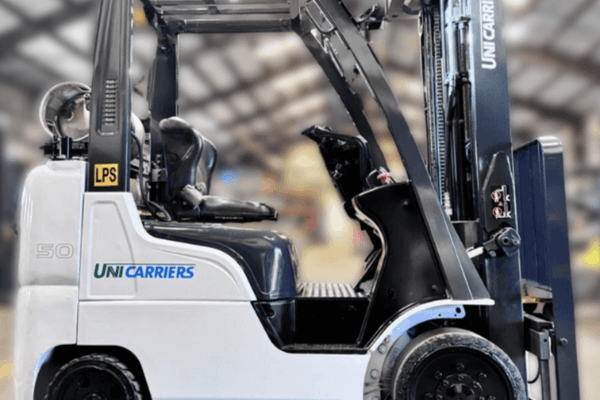
Forklift telematics combines onboard hardware, sensors, wireless connectivity, and software to monitor how industrial lift trucks are being used.
Depending on the forklift telematics systems involved, the data can include operating hours, idle time, impacts, location, battery information, maintenance intervals, operator activity, and diagnostic alerts.
One distinction is useful here: telematics is not the same as basic GPS tracking. GPS can tell you where equipment is located. A telematics platform can provide a wider picture of how that equipment is operating, how frequently it is used, and whether certain patterns need attention.
How Does Forklift Telematics Work?
The process can be understood as a simple chain:
Forklift → Sensors → Wireless Connection → Software Platform → Dashboard → Action
1. Sensors and Hardware Collect Forklift Data
A connected device & supported sensors collect operating information from the forklift. Depending on the setup, this might include engine or operating hours, idle time, speed, impacts, location, battery information, and fault codes.
Some systems can also identify operators through PINs, RFID cards, key fobs, or similar access methods.
2. The Forklift Sends the Data
Collected information is transmitted to a central platform through supported connectivity such as Wi-Fi, cellular networks, Bluetooth, or related technologies.
GPS may support location tracking, but it should not be confused with the connection used to transmit every type of telematics data.
3. Software Organizes the Information
The software processes incoming data and presents it in a usable format. Instead of looking at raw numbers, managers can review utilization patterns, service intervals, operator records, and predefined alerts.
4. Managers Use Reports and Alerts
A dashboard may show maintenance reminders, impact notifications, equipment utilization, battery alerts, or operator activity.
This is where telematics becomes useful. Collecting large amounts of information has limited value unless the business uses it to change a maintenance, staffing, equipment, or purchasing decision.
What Does a Forklift Telematics System Track?
Different systems offer different capabilities, so the available information depends on the forklift, installed hardware, and software platform.
Not every platform tracks every item. Compatibility should always be checked before selecting a system.
What Can You Do With Forklift Telematics Data?
The useful part of telematics starts after the information is collected.
Identify Underused and Heavily Used Forklifts
Suppose one forklift records high operating hours every week while a similar unit nearby spends much of the shift idle. That pattern can reveal a workload imbalance.
Managers may be able to redistribute work before assuming another truck needs to be purchased.
Plan Maintenance Around Usage
Operating-hour data can help teams understand how quickly each forklift is accumulating use. Maintenance reminders & diagnostic information can then support service planning based on actual activity.
Telematics should support physical inspections & professional diagnosis, not replace them.
Investigate Recurring Impacts
An impact alert tells you that something happened. It does not automatically explain why.
Repeated impacts in one warehouse aisle may point to operator behavior, but they could also suggest poor visibility, congestion, narrow clearance, racking layout, or traffic-flow problems.
That distinction matters. Telematics provides evidence. Managers still need to investigate the cause.
How Forklift Telematics Can Support Safety and Operator Accountability
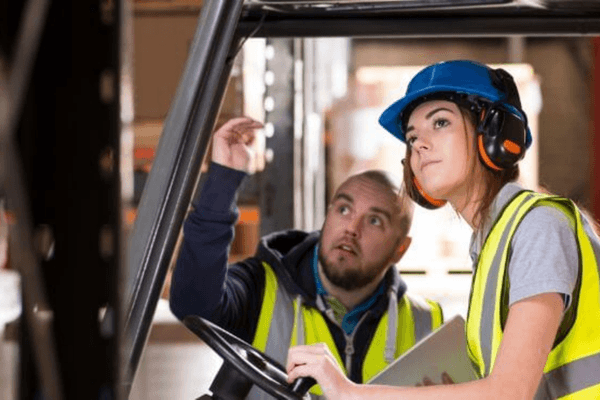
Certain telematics platforms can help managers maintain better records around equipment use.
Features may include:
- Operator identification
- Authorized-user access
- Digital pre-shift check records
- Impact detection
- Speed or behavior alerts where supported
- Operator activity histories
This information can help reveal patterns that deserve attention. If one type of incident keeps appearing during the same task or in the same area, the data gives managers a starting point for reviewing equipment, workflow, site conditions, or training.
How Telematics Helps With Forklift Maintenance and Downtime
Maintenance becomes easier to plan when managers can see how much each machine is actually being used.
Forklift telematics may help track hour-based service intervals, recurring faults, diagnostic information, and battery or charging data on compatible electric equipment. A heavily used forklift may need attention sooner than another unit purchased at the same time.
The important point is to treat telematics as an additional maintenance tool. Physical inspections, manufacturer maintenance requirements, and professional equipment evaluation still matter.
Can Telematics Show Whether You Have Too Many or Too Few Forklifts?
Yes, utilization data can help answer that question.
Imagine a warehouse with eight forklifts. Two machines perform most of the work, four see moderate use, and two remain idle for much of each shift.
Before adding a ninth forklift, it would make sense to ask whether the existing fleet could be allocated differently.
The opposite can happen too. If several units consistently run near capacity and equipment availability becomes a bottleneck, the data may support a genuine case for another truck.
This turns forklift utilization into a purchasing tool rather than a reporting metric.
Does Telematics Work With Different Types of Forklifts?
Forklift telematics may be used with different types of material handling equipment, including:
- Counterbalance forklifts
- Electric forklifts
- Propane forklifts
- Reach trucks
- Order pickers
- Other compatible warehouse equipment
The available data can vary by model, age, electronics, power source, sensor support, and communications hardware.
Mixed fleets require extra attention because one telematics setup may not provide identical information across every truck.
Electric vs. Propane Forklift Telematics
Electric and propane forklifts can share many telematics priorities, including operating hours, impacts, location, utilization, and operator identification.
The differences appear in energy and maintenance data.
For electric forklifts, battery condition, charging behavior, & energy use may be especially useful. For propane trucks, operating hours, service information, fuel-related data where supported, and engine performance can carry greater weight.
The right metrics depend on what the business needs to manage.
Can Telematics Be Added to a Used Forklift?
Some telematics systems can be added to an existing or used forklift, but compatibility should be checked first.
Important factors include:
- Make and model
- Model year
- Forklift type
- Available electronics
- Required sensors
- Power supply
- Network availability
- Desired data
- Software compatibility
A useful approach is to start with the question you want the system to answer. If the priority is utilization, you may need a different setup than a fleet manager focused on battery charging, operator access, or impact events.
When evaluating a used forklift for a telematics-enabled fleet, also check whether the truck already has manufacturer-specific hardware or whether an aftermarket system can be fitted.
Is Forklift Telematics Worth It for a Small Fleet?
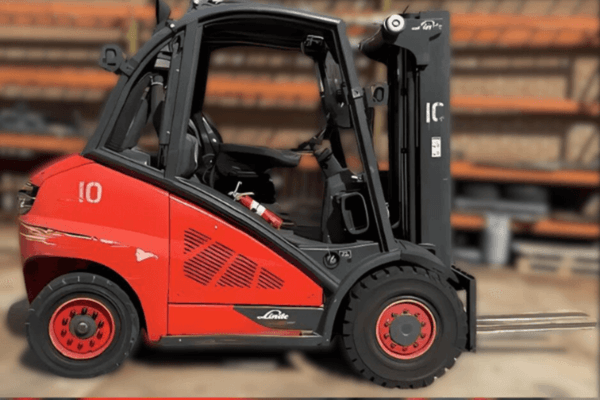
Fleet size alone should not decide whether telematics makes sense.
A small fleet with several operators, repeated damage, expensive downtime, multiple shifts, or uneven equipment use may gain useful information from telematics. A lightly used fleet with one or two trucks may have less need for a complex system.
A better question is:
Will this information change the way we maintain, assign, operate, or purchase equipment?
If the answer is yes, the system may provide practical value.
What Should You Look for in a Forklift Telematics System?
Before comparing forklift telematics systems, identify the decisions you want the data to support.
Consider:
- Forklift compatibility
- Utilization reporting
- Maintenance alerts
- Impact detection
- Operator identification
- Pre-shift check support
- Battery or energy monitoring
- Location tracking
- Mixed-fleet support
- Mobile access
- Data export
- Connectivity requirements
- Software or subscription costs
A long feature list can look impressive, but unused information creates little operational value. Focus on the measurements that connect directly to real fleet problems.
Forklift Telematics vs. Basic GPS Tracking
GPS may be one part of a telematics setup. The broader system connects location information with equipment performance and fleet activity.
What Forklift Telematics Cannot Tell You?
Telematics has limits.
An impact alert cannot prove why a collision occurred. Low utilization does not automatically mean a forklift should be removed from the fleet. A diagnostic code does not replace a mechanical inspection. Operator monitoring cannot replace proper training.
It also cannot correct a poor equipment choice.
If a forklift lacks the required capacity, lift height, aisle compatibility, runtime, or indoor/outdoor capability, additional data will not change the physical limits of the machine.
Using Telematics Data When Planning Your Next Forklift Purchase
Telematics can make a future forklift purchase easier to justify because managers can work from actual fleet usage.
Before adding equipment, review what the current fleet is showing. Is the problem capacity? Lift height? Narrow aisle access? Battery runtime? Equipment availability? Indoor or outdoor use?
Those answers can help determine whether the next truck should be electric, propane, counterbalance, a reach truck, or another material handling configuration.
If your data shows that your operation genuinely needs additional equipment, Value Forklifts can help you explore used forklift options suited to your workload, application, lift requirements, and operating environment.
Forklift Telematics at a Glance
- Forklift telematics collects operating data from industrial lift trucks.
- Sensors and connected hardware record equipment activity.
- Data is sent to software through supported wireless connections.
- Dashboards turn information into reports and alerts.
- Common uses include utilization, maintenance, impact, operator, location, and battery monitoring.
- Compatibility varies between forklifts and telematics platforms.
- The strongest value comes from using the information to make better fleet decisions.
Conclusion
Forklift telematics helps fleet managers better understand equipment utilization, maintenance needs, and whether some forklifts are not being used enough or are overworked. The actual benefit lies in using that intelligence to make better judgments about service, operator habits, fleet allocation & future equipment needs.
For businesses managing electric, propane, reach, or mixed forklift fleets, telematics can help reduce guesswork when deciding whether equipment should be repaired, reassigned, replaced, or supplemented with another unit.
If your fleet data shows that it is time to add or replace equipment, we can help you explore used forklift options suited to your capacity, lift height, aisle width, power source, and operating requirements. Contact us today to discuss your equipment needs and find the right used forklift for your operation.
Frequently Asked Questions
What is forklift telematics?
Forklift telematics is technology that uses connected hardware, sensors, and software to collect and analyze information about forklift operation, utilization, maintenance, location, and operator activity.
How does forklift telematics work?
Sensors collect forklift data, a connected device transmits that information to a software platform, and the platform converts it into dashboards, reports, and alerts that managers can use.
What data does forklift telematics collect?
Depending on the system, it may collect operating hours, idle time, impacts, location, operator activity, maintenance information, diagnostic codes, and battery or energy data.
Does forklift telematics use GPS?
Some systems use GPS for location tracking. GPS is one possible part of a telematics system, while telematics can also track equipment utilization, maintenance, impacts, and operator information.
Can forklift telematics be installed on an older or used forklift?
Some systems can be fitted to used or older forklifts. Compatibility depends on the truck's model, age, electronics, available power, required sensors, and the telematics platform.
Can telematics track forklift operators?
Yes, certain systems can identify operators through PINs, RFID cards, key fobs, or similar login methods.
Can forklift telematics track battery condition?
Compatible systems may track battery level, charging patterns, or energy use on electric forklifts. Available information depends on the truck and telematics setup.
Is forklift telematics useful for a small fleet?
It can be. The value depends on operating complexity, maintenance needs, equipment usage, number of operators, and whether the collected data will improve fleet decisions.