
Can Used Forklifts Work in an Automated Warehouse?
An automated warehouse may use robotic pallet movers, conveyor systems, automated storage equipment, and software to coordinate daily operations. However, these systems do not always handle every material movement. Warehouses still need flexible equipment for unloading trailers, moving irregular loads, and managing unexpected tasks.
Used forklifts in automated warehouses can provide that flexibility without requiring businesses to replace their entire material handling fleet. A properly selected used forklift can work alongside automated equipment, support manual processes, & help warehouses manage changing workloads.
At Value Forklifts, we help businesses explore used material handling equipment suited to their operating requirements. Understanding where traditional forklifts fit within an automated facility can help warehouse managers make better equipment decisions.
Can Used Forklifts Operate in an Automated Warehouse?
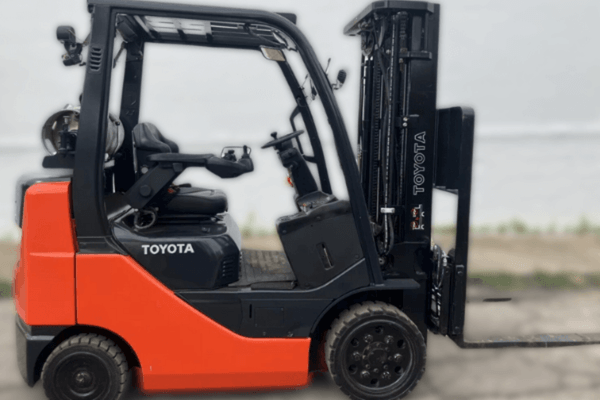
Yes. Used forklifts can operate in automated warehouses when facility layouts, traffic routes, equipment capacities, & safety procedures support their use.
A warehouse does not need every vehicle to operate autonomously to benefit from automation. Many facilities use a combination of automated equipment & operator-driven forklifts.
For example, automated systems may transport standardized pallets between fixed locations, while forklift operators handle trailer unloading, oversized loads, damaged pallets, and unusual delivery requirements.
However, a conventional used forklift does not become autonomous simply because it operates inside an automated warehouse. Autonomous operation requires appropriate technology, integration, testing, & safety controls.
This distinction matters when planning equipment purchases.
Where Do Used Forklifts Fit Into Warehouse Automation?
Warehouse automation works best when repetitive processes remain consistent. Used forklifts can support operations that require human judgment or frequent changes.
Loading and Unloading Delivery Trucks
Automated material handling systems may manage internal pallet transfers, but dock operations can involve different trailer configurations, pallet conditions, & delivery schedules.
Used sit-down forklifts can support trailer loading and unloading when their specifications match the operating environment.
Moving Irregular or Nonstandard Loads
Some shipments do not meet the size, weight, or packaging requirements of automated handling systems.
A trained forklift operator may be better suited to repositioning these loads using appropriately rated equipment and approved attachments.
Supporting Seasonal Warehouse Demand
Order volumes can increase during promotions, holidays, and peak distribution periods.
Instead of expanding an automated system immediately, businesses may use additional forklifts to manage temporary demand where manual handling is appropriate.
Our guide on used forklift fleets for e-commerce and 3PL warehouses discusses equipment selection for changing fulfillment requirements.
Managing Maintenance and Unexpected Disruptions
When an automated conveyor, pallet transfer system, or storage unit becomes unavailable, approved manual handling processes may help maintain selected operations.
However, forklifts must not enter restricted automated zones or bypass machine safeguards. Facilities need documented contingency procedures before using forklifts around automation equipment.
What Are the Benefits of Using Used Forklifts in Automated Warehouses?
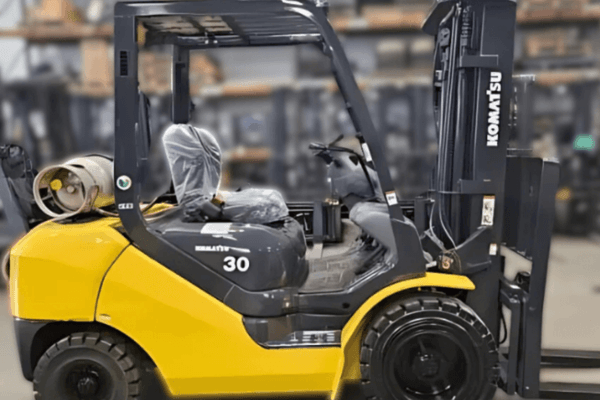
Automated warehouse systems can handle repetitive material movements, but many facilities still need forklifts for tasks that require operator judgment & flexibility. Used forklifts can support these operations while helping businesses manage equipment investments. When selected according to warehouse requirements, they can work alongside automated systems without requiring a complete fleet replacement.
Lower Initial Equipment Investment
Purchasing used forklifts generally requires a lower initial investment than buying comparable new equipment. This allows warehouse operators to allocate their budgets toward other operational needs, including automation technology, infrastructure improvements, & employee training.
For businesses gradually introducing warehouse automation, used forklifts can provide practical material handling support without a large upfront equipment expense. However, buyers should evaluate maintenance history, operating hours, & expected repair costs before making a purchase.
Greater Flexibility for Manual Material Handling
Automated systems are often designed to complete specific tasks using standardized loads and predetermined routes. However, not every warehouse movement follows a predictable process.
Used forklifts can help operators manage irregular pallets, reposition inventory, unload delivery trucks, & transport materials between designated work areas. This flexibility is particularly useful for warehouses handling different product sizes, changing shipment volumes, or special customer orders.
Easier Fleet Expansion During Peak Demand
Seasonal demand can increase the number of pallets & shipments moving through a warehouse. Even facilities with automated systems may require additional material handling equipment during busy periods.
Adding suitable used forklifts can help businesses expand their manual handling capacity without immediately investing in additional automated machinery. Warehouse managers can select equipment based on expected workloads, available operating space, & staffing requirements.
Which Used Forklifts Work Best Alongside Automated Equipment?
Different warehouse layouts require different forklift configurations. The right choice depends on aisle dimensions, load weight, lifting height, travel distance, and traffic patterns.
| Forklift Type | Suitable Warehouse Tasks | Important Considerations |
|---|---|---|
| Used electric sit-down forklift | Dock work and general pallet movement | Turning space, load capacity, battery condition |
| Used reach truck | High-rack pallet storage | Aisle width, lift height, floor condition |
| Used stand-up forklift | Frequent pallet transfers | Operator visibility and maneuvering clearance |
| Used electric pallet jack | Ground-level pallet movement | Travel distance, load weight, battery runtime |
| Used order picker | Manual picking at elevated locations | Picking height, operator training, aisle layout |
Used Electric Forklifts for Indoor Operations
Electric forklifts are often suitable for indoor warehouses because they produce no direct exhaust emissions during operation.
They can handle pallet movement in receiving areas, shipping zones, & storage sections where adequate clearance is available.
Warehouse managers can explore our electric sit-down forklifts when comparing equipment for indoor material handling.
Used Reach Trucks for Narrow-Aisle Storage
Reach trucks can support facilities with taller racking systems and limited aisle space.
Their suitability depends on the rack configuration, floor conditions, required lift height, and the truck's rated capacity at that height.
Our narrow-aisle stand-up forklift collection provides another starting point for evaluating compact warehouse equipment.
What Challenges Should Warehouses Consider Before Using Used Forklifts?
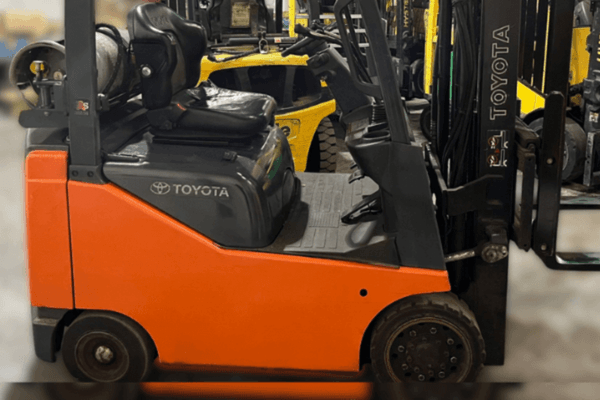
Integrating used forklifts into an automated warehouse requires more planning than purchasing equipment based on its price.
Shared Traffic Routes
Automated guided vehicles and autonomous mobile robots may operate on predictable routes. Manually operated forklifts can introduce additional traffic movements.
Warehouses should establish clearly marked routes, controlled crossing points, pedestrian separation, & safe operating procedures.
OSHA recommends separating forklift traffic from pedestrians wherever possible.
Occupational Safety and Health Administration
Equipment Compatibility
Before purchasing a used forklift, managers should verify:
- Overall truck dimensions & turning radius
- Load capacity & load center
- Maximum lift height & lowered mast height
- Floor loading limits & surface conditions
- Battery & charging requirements
- Existing rack & dock clearances
- Required safety equipment & attachments
These checks help prevent equipment mismatches that can lead to additional costs or operational restrictions.
Maintenance and Equipment Condition
Automated warehouses often depend on predictable workflows. An unreliable forklift can disrupt receiving, storage, or shipping activities.
Reviewing the service history, hydraulic condition, brakes, tires, mast components, and battery performance is particularly important when purchasing used equipment.
Our article on used forklift maintenance records explains why equipment history matters during the buying process.
Can a Used Forklift Be Converted Into an Autonomous Forklift?
Some existing forklifts may be suitable for automation retrofits, but compatibility depends on the truck model, control architecture, condition, & the automation provider's requirements.
Potential retrofit components include navigation sensors, vehicle controllers, communication systems, & safety equipment.
However, the conversion process is significantly different from using a conventional forklift alongside automated machinery.
Before considering an autonomous conversion, businesses should verify manufacturer compatibility, engineering requirements, safety validation, ongoing maintenance support, & applicable regulations.
For many warehouses, continuing to use a conventional forklift for operator-driven tasks may be more practical than retrofitting an older truck.
Used Forklifts vs. Fully Automated Forklifts
Warehouse managers should evaluate equipment based on the tasks they need to complete rather than assuming that automation is always the best solution.
| Comparison | Conventional Used Forklift | Automated Forklift |
|---|---|---|
| Operation | Trained human operator | Automated control system |
| Initial investment | Often lower purchase cost | Often higher implementation cost |
| Task flexibility | Suitable for varied manual handling | Best suited to validated automated workflows |
| System integration | May operate independently | Typically requires software and infrastructure integration |
| Maintenance | Conventional forklift servicing | Mechanical, electronic, and automation system support |
| Ideal application | Variable and irregular tasks | Repetitive, predictable movements |
A mixed fleet may help warehouses balance these differences.
For example, an automated pallet transport system might move standardized goods between production and storage areas, while used forklifts support receiving docks and irregular outbound shipments.
How Do Used Forklifts Affect Warehouse Efficiency and Operating Costs?
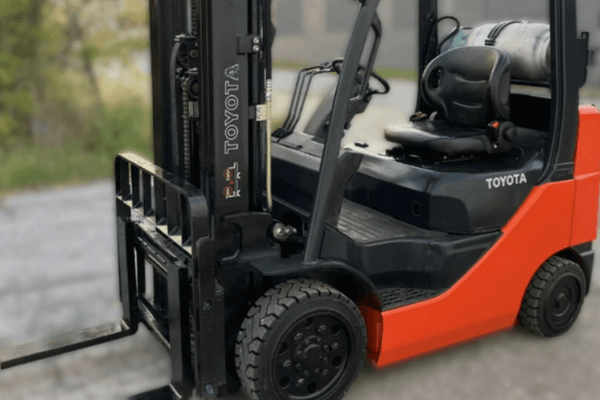
Used forklifts can influence warehouse productivity by supporting material movements that fall outside automated workflows. However, their overall value depends on equipment reliability, operating costs, & how effectively they complement existing warehouse systems. Businesses should compare the overall cost of ownership rather than simply the purchase price.
Reducing Unnecessary Equipment Investment
Not every warehouse task requires an automated solution. Installing automated equipment for occasional or unpredictable material movements may create expenses that are difficult to justify.
Used forklifts can provide an alternative for operations that still require direct operator control. For example, a warehouse may use automated pallet transportation for routine internal movements while assigning used forklifts to receiving docks & irregular shipments.
This approach allows businesses to prioritize automation investments for processes where they provide measurable operational benefits.
Improving Material Movement Between Automated Zones
Automated warehouse systems often operate within defined storage, transportation, or picking areas. Materials may still need to move between these zones & locations that are not connected to the automated infrastructure.
Used forklifts can support these transfers when warehouse layouts & safety procedures allow them. Operators may transport pallets from receiving areas to designated transfer points or move completed orders toward shipping locations.
Clearly defined traffic routes and loading procedures are necessary to prevent conflicts between forklifts, automated vehicles, and warehouse employees.
Balancing Maintenance Costs and Equipment Utilization
A used forklift with a lower purchase price may still require maintenance, replacement parts, or battery servicing. These expenses can affect operating costs & equipment availability.
Warehouse managers should consider the following factors when evaluating a used forklift:
- Operating hours: Review recorded usage alongside the forklift's maintenance history & overall condition.
- Maintenance requirements: Inspect brakes, tires, hydraulic components, mast assemblies, and electrical systems.
- Battery performance: For electric models, assess battery condition, charging requirements, & expected runtime.
- Equipment utilization: Match the forklift's capacity and features to the frequency & type of work required.
- Downtime risk: Consider how equipment failures could interrupt warehouse processes.
A properly maintained used forklift can offer practical value when its operating capabilities match the facility's needs. Regular checks & maintenance can also assist in reducing unexpected breakdowns.
How to Choose Used Forklifts for an Automated Warehouse
Warehouse managers should evaluate equipment requirements before selecting a particular forklift.
Step 1: Identify Tasks That Still Require Operators
Review receiving, put-away, order picking, replenishment, and shipping activities.
Identify the processes already covered by automation and the tasks that still need manually operated equipment.
Step 2: Measure Warehouse Operating Space
Document aisle widths, rack clearances, dock dimensions, turning areas, & designated travel routes.
Pay particular attention to intersections between automated vehicles, forklifts, and pedestrian pathways.
Step 3: Match Forklift Capacity to Actual Loads
Consider the heaviest expected loads, their load centers, & the heights at which they must be lifted.
A forklift's nominal capacity may decrease when lifting to greater heights or using certain attachments.
Our forklift capacity guide explains how to evaluate load requirements.
Step 4: Compare Operating Costs
Purchase price is one part of the total equipment cost.
Include maintenance, energy or fuel expenses, battery replacement, operator requirements, & potential downtime when comparing options.
Step 5: Inspect Equipment Before Purchase
Review maintenance documentation, operating hours, mast condition, tires, brakes, hydraulics, & electrical systems.
A used forklift should also be inspected and evaluated for the intended workplace before entering operation.
Find the Right Used Forklift for Your Warehouse at Value Forklifts
Automated warehouses can still benefit from reliable, operator-driven material handling equipment. The key is selecting forklifts that complement existing automated processes while meeting safety & performance requirements.
At Value Forklifts, we offer a range of used forklifts and warehouse equipment for different material handling applications. Whether your facility needs an electric sit-down forklift, narrow-aisle equipment, or additional support for seasonal operations, our experts can assist you in examining the various solutions.
Contact us to discuss your warehouse requirements or request a quote for suitable used equipment.
Frequently Asked Questions
Can Used Forklifts Work Alongside Warehouse Robots?
Yes. Used forklifts can support manual material handling alongside warehouse robots when traffic routes, operating procedures, & safety controls are properly established.
Are Used Electric Forklifts Suitable for Automated Warehouses?
Used electric forklifts can be suitable for indoor automated warehouses, particularly for dock operations and pallet movement. Their suitability depends on equipment condition, battery performance, warehouse layout, & load requirements.
Do Automated Warehouses Still Need Forklift Operators?
Some automated warehouses still need trained forklift operators for trailer unloading, irregular loads, maintenance-related movements, & tasks outside the automated workflow. Staffing needs depend on the facility's automation design.
Can All Used Forklifts Be Upgraded With Automation Technology?
No. Retrofit suitability depends on the forklift model, electronic controls, automation provider, structural condition, & safety requirements. Some trucks may not support practical or cost-effective conversion.
Is Buying Used Forklifts Better Than Purchasing New Automated Equipment?
It depends on the application. Used forklifts may be a cost-effective choice for varied manual tasks, while automated equipment may offer advantages for repetitive, predictable movements. Businesses should compare total costs & operational requirements.