
Should Small Warehouses Buy One Versatile Forklift or Multiple Specialized Machines?
One of the common challenges for small warehouses is the lack of space, a constrained equipment budget, and the need to move inventory on a daily basis without slowing down the team. A single, flexible forklift is often the logical first step for many applications that require a variety of pallet-moving, loading, unloading, and basic storage functions, while maintaining cost-effective operation.
A versatile forklift is the most flexible, cost-effective, and space-efficient option for most small warehouses, particularly one designed for indoor use, such as an electric forklift. The value of specialized equipment begins to become apparent when narrow aisles, high racks, mixed product, or fast fulfillment requirements cause a machine to become a point of contention.
It is a company that is in a position to help businesses that are considering equipment options for businesses at various growth phases. That's important because utilization is the determining factor, not fleet size, when it comes to the right answer. The second machine that sits idle the majority of the week is costly. But even one forklift that can't be used by two operators at the same time costs a lot!
Quick answer: Is one versatile forklift enough for a small warehouse?
Yes, one versatile forklift is sufficient for many small warehouses that deal with normal-sized pallets, moderate volume, and racks within the lift range of the machine. The right unit can handle receiving, staging, putaway, replenishment, and shipping without having to buy more units.
In any case, if all the tasks need the same forklift and the same operator, it is a problem. Waits for shipping may indicate that the operating process is ready for specialized warehouse material handling equipment if it is receiving due to forklift wait times or operators are continually doing attachments on the forklift to perform basic work.
Key Takeaway
For most small warehouses, one versatile forklift is the right starting point. Add specialized equipment only when delays, aisle limits, rack height, or load complexity make the need measurable.
A good guideline: choose the machine that can do 80% of the work in your day safely. The remaining 20 percent can be solved by attaching, changing layouts, or specialized equipment only when the delay is measurable.
Understanding the difference between versatile and specialized forklifts
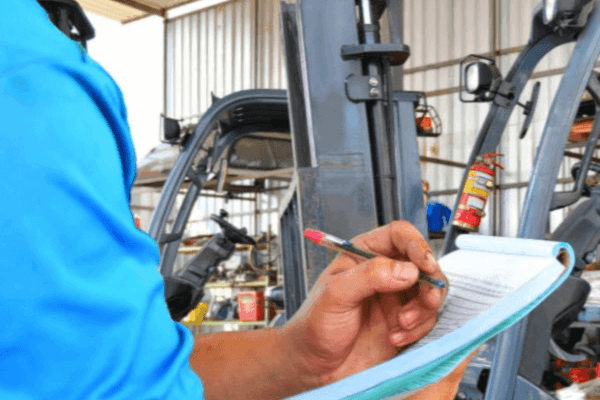
The versatile forklift is employed in various tasks in the warehouse. These are usually electric counterbalance forklifts, 3-wheel electric forklifts, and reach trucks used across a wide range of warehouse applications.
Specialized machines are used for jobs that have less width. Order pickers help with piece picking. Walkie stackers aid light stacking and short travel. Tight aisles and dense storage are enabled with VNA and turret trucks. However, when the primary requirement is for rack access, instead of dock work, reach trucks can be specialized.
Electric forklifts are commonly used in a warehouse setting due to the elimination of local exhaust fumes, and electric trucks are commonly used in flat indoor areas. In smaller areas, where ventilation, operator comfort, and maneuverability all impact the day-to-day productivity, that advantage is critical.
Why most small warehouses benefit from one versatile forklift
One flexible forklift is easier to justify because it has less overall complexity. One machine, one purchasing decision, one maintenance plan, fewer variables in operator training, less floor space tied up in parked equipment.
In a small warehouse, there are not many machines standing idle. Each new truck requires a charging station, secure parking, inspections, maintenance, and qualified drivers. The first price looks really good; however, support costs can be quite expensive.
A perfectly matched electric forklift can handle inbound pallets in the morning, put away before lunch, and stage outbound later in the day. Flexibility is key for inventory volume changes with the seasons or if the same workers are assigned to several jobs.
For buyers comparing options, Value Forklift’s forklift inventory is a practical place to review used forklift choices, including electric forklifts that can fit indoor warehouse work.
When multiple specialized machines make more sense
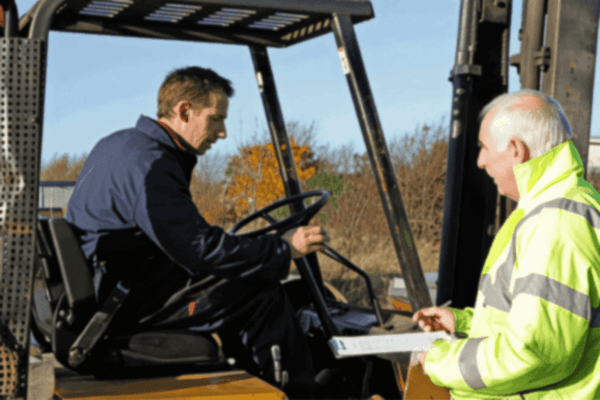
When one forklift creates frequent delays, risks damage, or concerns safety, many specialized pieces of equipment make sense. This is often the case when the facility is dealing with huge order quantities, tight aisles, towering racking, or wildly varying inventory sizes and weights.
The first indicator of trouble is waiting. If workers are losing time because the forklift is tied up at receiving, it may be doing too many jobs. The second warning indicator is clumsy handling. If operators are using a counterbalance forklift in places that are more appropriate for a reach truck or narrow aisle equipment, the warehouse may be driving the incorrect tool into the wrong space.
Special mixes can be highly successful. Piece selecting and rack storage are carried out with an order picker and a reach truck. Light internal moves and dock work can be done using a walkie stacker and a counterbalance forklift. A VNA truck and electric forklift can provide a good balance between dense rack storage and general movement.
| Decision Factor | One Versatile Forklift | Multiple Specialized Machines |
|---|---|---|
| Initial cost | Lower purchase and setup cost | Higher upfront investment |
| Flexibility | Strong for mixed daily tasks | Strong for repeated specialized tasks |
| Best fit | Small warehouses with standard pallets | High-volume or narrow-aisle operations |
| Management complexity | Simpler maintenance and training | Requires stronger scheduling and upkeep |
The 4 operational factors that should drive your decision
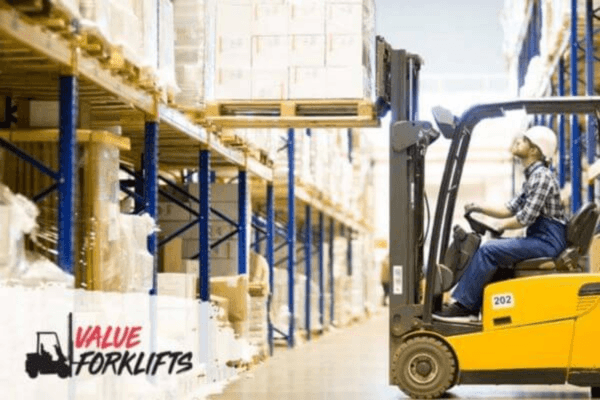
Forklift strategy is not a matter of guesswork, but of layout and workload. Before you buy, consider aisle width, rack height, load kinds, and expansion ambitions.
Aisle width
Aisle width affects the turning radius, the travel speed, and the storage density. Counterbalance forklifts are normally good for regular aisles, but tighter layouts may require reach trucks, VNA trucks, or guided equipment. The focus of very narrow aisle systems is to extract the most from the space available in storage facilities, often involving small rack layouts and specific guided trucks.
Rack height
The height of the rack will determine the ability of a general-purpose forklift to reach the appropriate levels safely. Technically, a machine may be taller than the beam, but if stability, visibility, or load weight compromises safe operation, it is a poor match.
Load types and inventory consistency
A standard palletized freight requires one flexible forklift. Irregular loads, lengthy materials, fragile products, and diverse pallet sizes may require specific machinery or accessories. The main challenge for tiny warehouses is often missed: it’s not the size of the forklift, but the load profile.
Warehouse growth plans
The most critical thing a startup warehouse needs is flexibility. A developing fulfillment operation may necessitate speed and separation of tasks. It is often safer to buy for the next 12 months rather than some imagined future, but do not throw off expansion goals altogether.
Measure the layout
Record aisle width, rack height, dock space, turning areas, and charging or parking zones.
Track forklift demand
Note when operators wait, which tasks overlap, and which loads slow the team down.
Match equipment to the repeat work
Choose one versatile forklift for broad work, or add specialized equipment when the same bottleneck appears often.
Cost comparison: one versatile forklift vs. multiple specialized A single, all-purpose forklift is usually cheaper to purchase. It also lowers training, maintenance scheduling and scheduling of downtime. While several specialty machines would cost more initially, they could save labor hours if they help get rid of everyday bottlenecks.
Look at the total cost of ownership over 5 years. Purchase price, preventive maintenance, repairs, operator training, charging or fuel demands, downtime, and productivity affect OSHA, which requires powered industrial truck operators to be taught and evaluated, with evaluation at least once every three years; thus, each extra equipment type might add to the training complexity.
The concealed number is used. A forklift that is utilized steadily over the day is usually a better investment than three machines used sporadically. But when one forklift is consistently overbooked, the labor cost of waiting can exceed the cost of another unit.
New vs. used forklift: which option delivers better value?
For small warehouses where budget discipline is a key consideration, a used forklift can offer good value. The key is condition, service history, battery health for electric units, tire condition, mast function, hydraulic performance, and whether the truck suits the facility.
A used versatile forklift is frequently the most sensible purchase for startups, seasonal warehouses, and companies still finding their rhythm with inventory. It preserves capital for racks, labor, dock enhancements, and safety modifications.
Before purchasing, inspect the machine around the work it will actually do. Test it in similar aisle conditions. Confirm lift height and capacity. Ask about service records. If you’re unsure which model fits, contact Value Forklift for guidance based on your layout and material handling needs.
Decision matrix: Which forklift strategy fits your warehouse?
Use this quick matrix as a starting point before committing to a purchase.
- Standard pallet handling: choose one versatile forklift.
- Limited budget: choose one versatile forklift, preferably a reliable used forklift.
- Narrow aisles under 10 feet: consider specialized narrow-aisle equipment.
- Rack heights above 20 feet: review high-reach equipment.
- Mixed load types: consider attachments or specialized machines.
- High-volume fulfillment: consider multiple specialized machines.
The best decision is the one that removes friction without creating unused capacity.
Expert recommendations for small warehouse owners
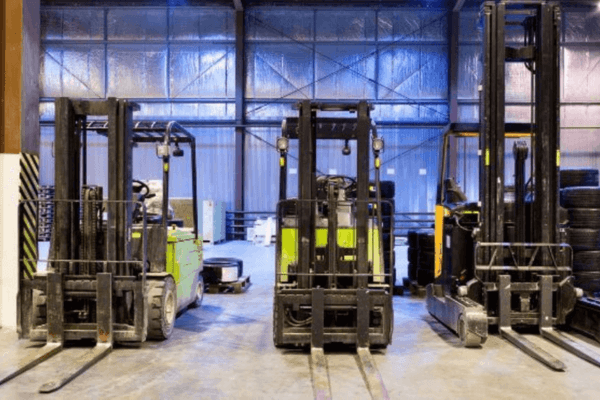
One of the biggest mistakes in buying is choosing equipment based solely on maximum lift capacity. Capacity is important, but so are the daily routes. A forklift that is suitable for the load but finds it difficult to move along the aisles will cost the warehouse time per hour.
Another mistake is buying specialized machines too early. Specialized equipment works best when the task is frequent and measurable. If the task happens twice a week, an attachment or process change may be enough.
Sometimes an attachment can take the place of another piece of equipment. Fork positioners, side shifters, or clamps can help increase flexibility, but they must be compatible with the truck’s rated capacity and the load. Always check safety limits before attaching.
If you’re comparing one versatile forklift against a larger fleet, start with a simple time study. Track how often the forklift is used, when people wait for it, what loads cause delays, and where damage occurs. A week of notes can reveal the answer faster than a catalog search.
Need help choosing the right forklift?
Value Forklift can help you compare used forklifts, electric forklifts, and warehouse equipment options.
Find the right forklift for your warehouse operations.
For most small warehouses, a versatile forklift provides the best combination of flexibility, affordability, and space efficiency. If your operation involves tight aisles, high racks, unusual loads, or frequent equipment bottlenecks, specialized machines may deliver stronger long-term productivity.
The right forklift should match your layout, workload, operators, and growth plan. Explore Value Forklift for available equipment options, or reach out for help comparing electric forklifts, used forklifts, and specialized warehouse material handling equipment.
FAQ:
What is the best versatile forklift for a small warehouse?
For lots of small warehouses, an electric counterbalance forklift or a 3-wheel electric forklift is the best place to begin. It can do regular pallet movement, loading, unloading, staging, and basic warehouse movement while still being maneuverable indoors.
Should I buy a new or used forklift for my warehouse?
As long as the machine is thoroughly inspected, a secondhand forklift is frequently a better value for small warehouses on a limited budget. Check service history, battery health, mast operation, tire condition, lift capacity, and that the truck meets your aisle width and rack height.
When do warehouses need specialized forklifts?
Warehouses often require specialized forklifts when ordinary equipment leads to constant delays or safety issues. Typical triggers are narrow aisles, rack heights beyond the forklift’s feasible reach, high-volume fulfillment, unusual load sizes, or frequent order selection.
Are electric forklifts powerful enough for warehouse operations?
Yes, many electric forklifts are powerful enough for normal warehouse work. The best choice relies on lift capability, battery condition, trip distance, floor conditions and time the forklift will run between charges.
Can one forklift handle all warehouse tasks?
A single forklift can perform many of the everyday activities in a small warehouse, but may not perform every activity efficiently. If you have uneven loads, high racks, limited aisles, or numerous teams needing equipment simultaneously, you may require attachments and specialist machines.
How do I determine the right forklift size for my warehouse?
Measure aisle width, rack height, turning space, dock conditions, load weight, pallet size, and operating surface. Then compare those measurements to the forklift’s rated capacity, lift height, turning radius, and power type.