
Why Electric Forklifts Are Becoming the Smart Choice for Modern Warehouses
Modern warehouses are being asked to do a lot with less space, tighter labor schedules, faster order movement & rising operating costs. Equipment that once felt “good enough” can quickly become a bottleneck when aisles are narrow, inventory turns faster, & teams need cleaner indoor working conditions.
That is one reason electric forklifts are gaining attention across warehouses, distribution centers, retail storage areas & manufacturing facilities. They run cleaner indoors, need less engine-related maintenance, operate with less noise, & handle tight spaces well. For businesses comparing warehouse equipment, the electric option is no longer just a future-focused upgrade. It is often a practical daily-use choice.
Electric forklifts are becoming popular because they help warehouses reduce exhaust fumes, operating noise, fuel dependency, and maintenance demands. They are especially useful in indoor facilities where air quality, aisle space, and uptime matter.
In many warehouse settings, electric forklift trucks offer a strong mix of efficiency and control. They can move pallets, load trailers, support racking work, and help teams operate comfortably in enclosed spaces. When paired with the right battery and charger setup, they can support steady daily use without the fuel handling required by propane, diesel, or gas-powered machines.
Short answer:Electric forklifts are a smart warehouse choice because they offer zero local exhaust emissions, lower maintenance needs, quieter operation, tight-space maneuverability, and lower long-term operating costs compared to many fuel-powered models.
What Are Electric Forklifts and How Do They Work?
Electric forklifts are driven by rechargeable batteries instead of internal combustion engines. The battery provides the power for an electric motor, which moves the truck and operates the hydraulic lifting system. The main parts include the battery, motor, controller, mast, forks, tires, charger, and operator controls.
Common electric warehouse equipment includes electric sit-down forklifts, reach trucks, order pickers, electric pallet jacks, & electric pallet stackers. Each machine has a different role. A sit-down electric forklift is useful for regular pallet handling & lifting. An electric pallet jack is better for moving loads across short distances. An electric pallet stacker helps with compact lifting and stacking in smaller spaces.
Value Forklifts offers used electric sit-down forklifts and used electric pallet jacks and stackers, along with batteries, chargers, tires, and other forklift-related equipment.
Why Modern Warehouses Are Moving Away from Fuel-Powered Forklifts
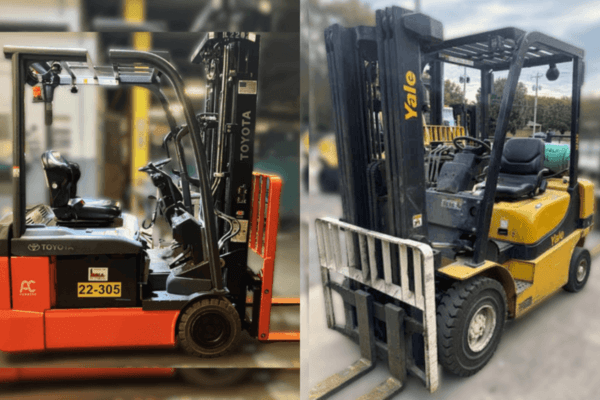
Fuel-powered forklifts still have a place in some operations, especially outdoor yards or certain heavy-duty applications. But many indoor warehouses are rethinking them.
Why? Exhaust, noise, heat, & regular engine maintenance all affect the daily workflow. Propane and diesel equipment can add fuel storage needs, ventilation concerns, and service requirements that do not fit every indoor facility.
Electric models solve several of those problems at once. They are cleaner at the point of use, easier to operate quietly, & often better suited to smooth warehouse floors and tight racking layouts. The decision still depends on load weight, shift length, floor surface, charging access, & budget. A cold storage facility, a small retail warehouse, and a busy distribution center may all need different setups.
Zero Local Emissions and Better Indoor Air Quality
One of the clearest advantages of electric forklifts is zero local exhaust emissions during operation. That matters in enclosed warehouses where operators, pickers, packers, & supervisors may spend full shifts moving equipment.
Cleaner indoor operation can help warehouses reduce fumes near packing stations, food storage zones, retail inventory areas, and manufacturing spaces. It may also reduce the pressure on ventilation systems compared with fuel-powered machines.
This does not mean the full lifecycle has no environmental impact. Batteries still need to be produced, charged, maintained, & eventually replaced. But inside the warehouse, electric forklifts keep exhaust out of the work area. That is a practical benefit employees can feel.
Lower Operating Costs and Reduced Maintenance Needs
Electric forklifts can also make sense from a cost-control standpoint. Electricity is often easier to plan for than fuel, and electric forklifts have fewer engine-related parts to service.
There is no engine oil to change. No spark plugs. No fuel filters. No exhaust system maintenance in the same way as many internal combustion forklifts. That can reduce routine service time and help keep equipment available during busy periods.
A simple example: a propane forklift may need ongoing fuel management, engine service, & additional checks tied to combustion systems. A used electric forklift still needs inspection, battery care, tire checks, and hydraulic maintenance, but it avoids many fuel-engine service items. That difference can matter when a warehouse is trying to reduce downtime.
Better Maneuverability for Tight Warehouse Layouts
Many warehouses are not getting bigger. They are getting denser. Wider product ranges, taller racking & faster fulfillment schedules often leave less room for equipment to turn comfortably.
Electric forklift trucks are commonly used indoors because they offer smooth control & can work well in compact layouts. For narrow aisles or smaller storage areas, electric pallet jacks and electric pallet stackers may be a better fit than a full-size forklift.
Value Forklifts notes that its used electric pallet jacks & stackers are compact machines suited for tight warehouse spaces and material transport tasks. The company also lists used electric narrow-aisle forklifts designed for limited-space warehouses & storage environments.
A Quick Rule for Choosing the Right Equipment
Use an electric pallet jack for horizontal pallet movement,
an electric pallet stacker for lighter stacking in compact spaces,
and an electric forklift when higher capacity, lift height,
and frequent pallet handling are needed.
Quieter Operation and Improved Operator Comfort
Noise affects productivity in ways that are easy to overlook. Loud engines make it harder for workers to communicate near docks, packing areas, & pedestrian zones. They can also add fatigue across long shifts.
Electric forklifts are generally quieter than fuel-powered models. Less vibration & smoother control can make daily operation feel less tiring for drivers. In busy warehouses, this can help teams hear instructions, warning signals, and movement around them.
It is a simple benefit, but it matters. A quieter floor is often easier to manage.
Battery Technology Is Making Electric Forklifts More Practical
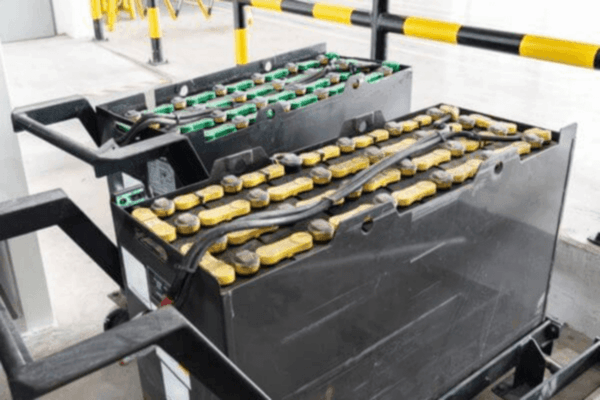
Battery technology is one reason electric forklifts have become a realistic choice for a wider range of warehouses. Traditional lead-acid batteries are common & cost-effective, but they may require watering, cooling time, and careful charging routines.
Lithium-ion batteries can offer faster charging, less routine battery maintenance, & opportunity charging. Opportunity charging means plugging the machine in during breaks, shift changes, or short idle periods instead of waiting for one long charging window or swapping batteries.
That said, not every warehouse requires the same battery setup. A normal charging regimen may work effectively if you have a single-shift facility. In a high-volume operation, faster charging, backup equipment, or several units may be required. When buying, check the compatibility of the charger, voltage, battery age, and daily run time.
Electric Forklifts vs. Internal Combustion Forklifts
| Factor | Electric Forklifts | IC Forklifts |
|---|---|---|
| Indoor air quality | No local exhaust emissions | Produces exhaust depending on fuel type |
| Noise | Quieter operation | Louder engine noise |
| Maintenance | Fewer engine-related service items | More engine and fuel system maintenance |
| Fuel or energy | Battery charging | Propane, diesel, or gas |
| Tight spaces | Strong fit for indoor aisles | Depends on model and layout |
| Best use | Warehouses, distribution, retail, food storage | Outdoor yards and some heavy-duty uses |
Electric forklifts are usually better for indoor warehouses. Internal combustion forklifts may still fit rougher surfaces, longer outdoor travel, or specific heavy-duty jobs. The best choice depends on the work, not just the fuel type.
Where Electric Forklifts Fit Best in a Modern Warehouse
Electric forklifts fit well in many everyday warehouse jobs, including
- Indoor pallet movement
- Loading & unloading trailers
- Racking and inventory storage
- E-commerce fulfillment
- Retail warehouse backrooms
- Manufacturing support
- Cold storage & enclosed facilities
- Short-distance material handling
For smaller tasks, electric pallet jacks can move pallets efficiently across the floor. An electric pallet stacker can help lift and stack in tighter spaces. A full electric forklift is the better choice when heavier loads, higher lift heights, or frequent pallet movement are part of the job.
Why a Used Electric Forklift Can Be a Smart Buying Option
A used electric forklift can help a business upgrade its warehouse equipment without paying the cost of a new unit. This is useful for growing warehouses, seasonal operations, small businesses, & companies replacing older fuel-powered equipment.
The key is not to buy only by price. The battery is a major part of the value. Buyers should check battery age, battery condition, charger compatibility, lift capacity, mast height, fork length, tire type, hours of use, service history, parts availability & warranty support.
Value Forklifts focuses on used forklifts, reconditioned equipment, & nationwide shipping. Its website also lists electric sit-down forklifts, electric pallet jacks and stackers, batteries, chargers, tires, attachments, and related warehouse equipment.
How to Choose the Right Electric Warehouse Equipment
Start with the work, then choose the machine.
Ask these questions:
- How much weight needs to be lifted?
- How high does the load need to go?
- How wide are the aisles?
- Is the floor smooth, uneven, indoor, or mixed-use?
- How many hours will the machine run each day?
- Is there space for charging?
- Will operators need sit-down comfort or walk-behind control?
- Would used equipment fit the budget better?
For heavier lifting and regular pallet handling, an electric forklift is the right choice. Choose an electric pallet stacker for space saving & lighter stacking. Electric pallet jacks are the solution for transferring pallets over short distances. When you need dependable equipment but want to keep your purchasing costs low, choose a secondhand electric forklift.
Common Mistakes Warehouses Should Avoid When Switching to Electric
The biggest mistake is treating every electric model as the same. They are not.
A small warehouse that moves pallets from receiving to storage may need a very different machine than a distribution center running several shifts. Buying the wrong capacity, ignoring battery condition, or forgetting charger compatibility can create problems quickly.
Other common mistakes are not estimating the daily run duration, not choosing the right type of tires, not considering the turning radius, not planning a charging place, and buying without checking the service history. A solid buy begins with the real workflow and not the lowest tag price.
Are Electric Forklifts Right for Every Warehouse?
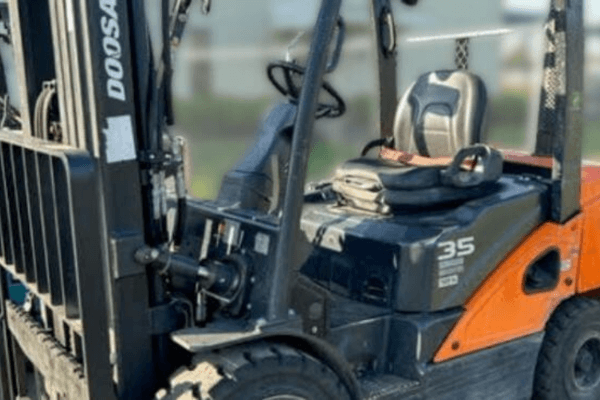
Electric forklifts are a strong fit for warehouses that need cleaner indoor operation, lower maintenance, quieter handling, & efficient pallet movement. They are especially useful in enclosed facilities with smooth floors, tight aisles, and regular material handling needs.
They are not automatically right for every job. Long outdoor travel, rough ground, limited charging access, or unusually heavy loads may require a different setup. Some facilities may need a mixed fleet with electric forklifts, pallet jacks, stackers, & other warehouse equipment.
Key Takeaways for Warehouse Owners and Operators
Electric forklifts are becoming a practical choice for warehouses that need cleaner operation, lower maintenance, and better daily efficiency.
Electric forklifts support cleaner indoor operation.
They can reduce engine-related maintenance.
They are quieter and easier to manage in many warehouse layouts.
Battery and charging options have improved.
A used electric forklift can be a cost-effective upgrade.
The right choice depends on load capacity, lift height, battery setup, aisle width, and daily workload.
Conclusion
Electric forklifts are becoming a practical choice for modern warehouses because they support cleaner, quieter, & more efficient material handling. They help reduce local exhaust emissions, simplify maintenance planning, improve operator comfort, & work well in tight indoor layouts.
Electric forklift trucks, electric pallet jacks, & electric pallet stackers each serve different warehouse needs. For businesses watching their budget, a used electric forklift can be a smart way to upgrade equipment while keeping costs under control.
Value Forklifts helps businesses find reliable electric forklifts & warehouse equipment that fit their space, workload, and budget. Browse available inventory or request a quote to find the right equipment for your operation.
Frequently Asked Questions
Are electric forklifts good for warehouses?
Yes, electric forklifts are a good choice for many warehouses because they run cleanly indoors & produce no local exhaust emissions. They also operate quietly and handle tight aisles well. This makes them useful for distribution centers, storage facilities, and busy indoor warehouse spaces.
What is the main benefit of electric forklifts?
The main benefit of electric forklifts is cleaner and lower-maintenance operation. They do not require fuel in the same way as propane or diesel forklifts, and they have fewer engine-related service needs. This can help warehouses reduce downtime and improve daily efficiency.
Is a used electric forklift worth buying?
A used electric forklift can be worth buying when it matches your workload, lift height, & warehouse layout. Before purchasing, it is important to check the battery condition, charger compatibility, service history, and operating hours. A well-chosen used model can be a cost-effective upgrade.
What is the difference between electric forklift trucks and electric pallet jacks?
Electric forklift trucks are designed to lift, stack, & move heavier pallet loads at different heights. Electric pallet jacks are mainly used to move pallets across the floor over shorter distances. Forklifts are better for lifting and racking, while pallet jacks are better for simple pallet movement.
When should I choose an electric pallet stacker?
An electric pallet stacker is a good choice when you need compact equipment for lifting & stacking pallets in smaller spaces. It works well for light to moderate loads where a full-size forklift may not be necessary. Warehouses with limited aisle space often find stackers practical.